Malaysia’s OPR stays at 2.75pc: What does it mean for your loans, savings and spendings
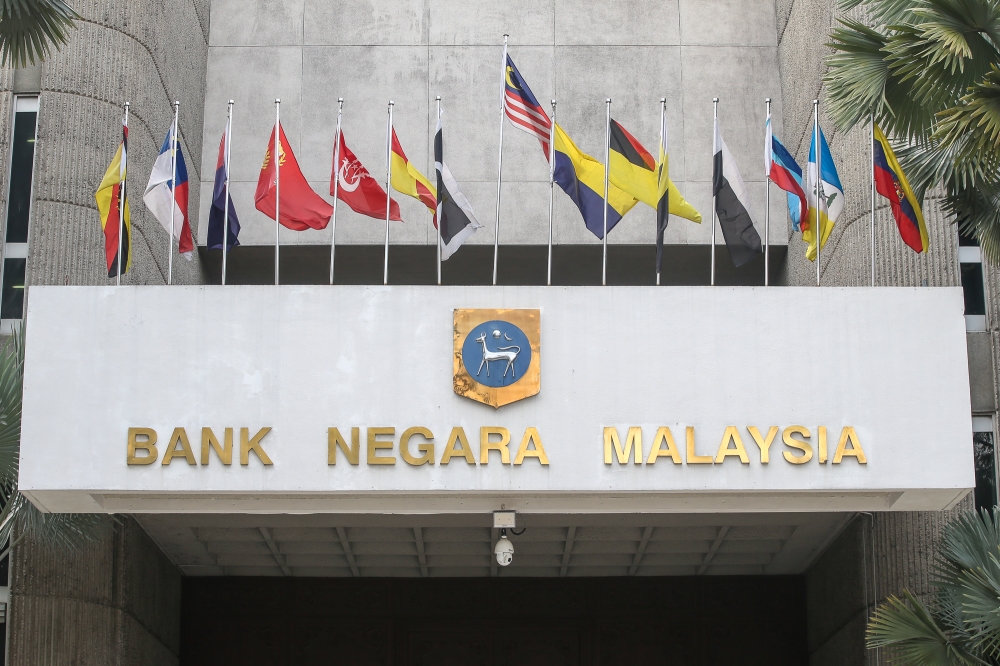
KUALA LUMPUR, Sept 17 — Bank Negara Malaysia (BNM) has maintained its Overnight Policy Rate (OPR) at 2.75 per cent, its lowest since the Covid-19 pandemic era, during its latest meeting on September 3. The decision keeps the OPR unchanged, an indicator that will influence borrowing costs, savings returns and daily spending.
The OPR is Malaysia's key monetary policy rate, affecting interest rates across the banking system, including loans and deposits. When the OPR is reduced, borrowing becomes cheaper, potentially boosting spending and investment. Conversely, when it is increased, borrowing becomes more expensive, helping to moderate economic demand.
Bank Negara's Monetary Policy Committee (MPC) decides the OPR based on various factors, including inflation, economic growth, domestic demand, financial conditions, and global developments. The committee's decision to maintain the OPR at 2.75 per cent was based on Malaysia's strong economic growth and stable inflation.
For borrowers with floating-rate or variable-rate home loans, the OPR directly impacts their interest rates. If the OPR falls, the OPR-linked rates fall, potentially lowering monthly instalments for new retail floating-rate loans. For those already carrying debt, changes in interest rates affect how much it costs to borrow, particularly for revolving credit card balances.
In terms of savings, a higher OPR generally means higher returns on interest-bearing deposits, while a lower OPR can result in lower returns. However, deposit rates may not move exactly in line with changes to the OPR. The Monetary Authority remains cautious about external risks, including geopolitical tensions and energy costs, as it monitors Malaysia's economic outlook.
Written by urgent.news from Malay Mail's reporting — not their text. Machine-written — may contain errors; check the original before relying on it.
This story
This is one outlet's version. Read the fullest account.