Malaysia’s OPR stays at 2.75pc: What does it mean for your loans, savings and spendings
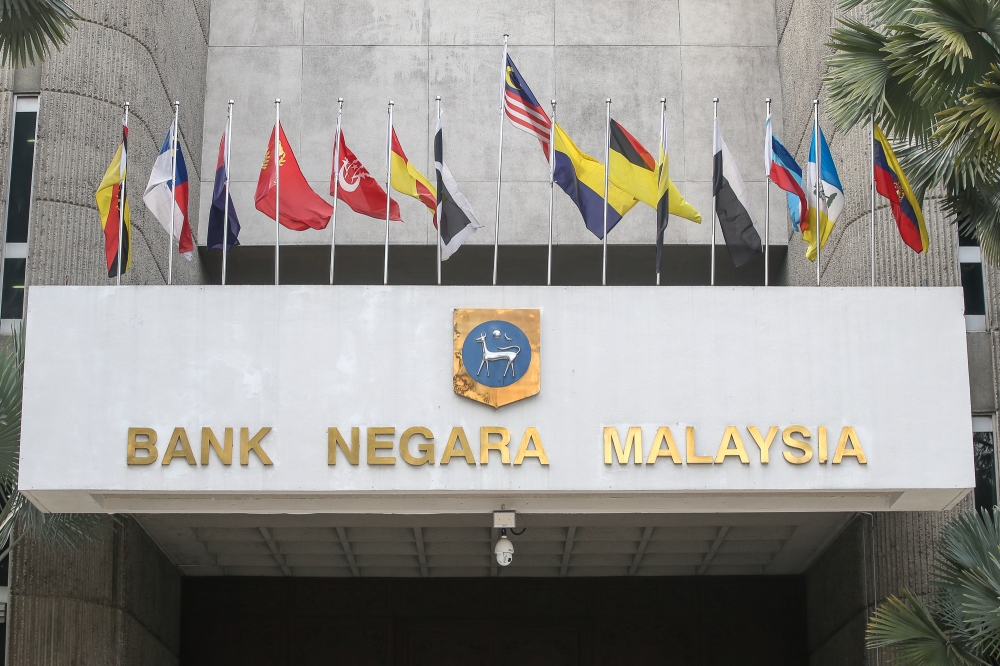
KUALA LUMPUR, Sept 17 — Bank Negara Malaysia (BNM) has maintained its Overnight Policy Rate (OPR) at 2.75 per cent, marking the seventh consecutive meeting without a change. The OPR, now at its lowest since the Covid‑19 pandemic era, has implications for borrowing costs, savings returns and everyday spending. At 2.75 per cent, the OPR is lower than at any point during the pandemic, when it was held at 1.75 per cent until July 9, 2025.
The Monetary Policy Committee (MPC) unanimously decided to keep the OPR unchanged, citing Malaysia's strong economic growth and price stability as key factors. The MPC's focus now shifts to assessing the impact of the unchanged OPR on various financial products and consumer spending. The OPR is a pivotal monetary policy instrument that influences interest rates across the banking system, affecting loan and deposit rates.
It does not directly translate to a one-to-one change in every financial product. When the OPR is lowered, borrowing becomes cheaper, potentially boosting household and business spending and investment. Conversely, raising the OPR can make borrowing more expensive, moderating economic demand. The Committee weighs several factors, including economic growth, inflation, domestic demand, financial conditions and global developments, before deciding on OPR adjustments.
Bank Negara stated that the current monetary policy stance supports continued price stability and sustainable growth. Malaysia's economy expanded by 6 per cent in the second quarter of 2026, with headline inflation at 1.8 per cent in July. BNM highlighted the economy's robust growth, driven by solid export performance, sustained domestic demand, and a resilient global economy supported by strong technology growth, improved supply chains, and stable labor markets.
The OPR is not set solely based on inflation, as they measure distinct economic aspects. While inflation reflects price changes, the OPR is a policy rate guiding economic and financial conditions. Borrowers with floating-rate or variable-rate home loans are directly affected by the OPR, particularly those with Standardised Base Rate (SBR) linked loans, where the OPR forms the base interest rate.
Similar considerations apply to car loans, credit cards, and other debts. While an unchanged OPR means no immediate change for many borrowers, it could slightly lower or raise monthly repayments depending on loan terms. For savers, higher interest rates may lead to better returns on deposit accounts, while lower rates can result in reduced returns.
Written by urgent.news from Malay Mail's reporting — not their text. Machine-written — may contain errors; check the original before relying on it.