Interest rate hike a 'reassuring' sign Fed is acting independently, economist says
The Federal Reserve raised interest rates by a quarter of a point, the first hike in three years. It comes as the war in Iran continues to put pressure on prices and is the first major move by Fed Chair Kevin Warsh to combat elevated inflation. Geoff Bennett discussed more with economist Julia Coronado of MacroPolicy Perspectives.
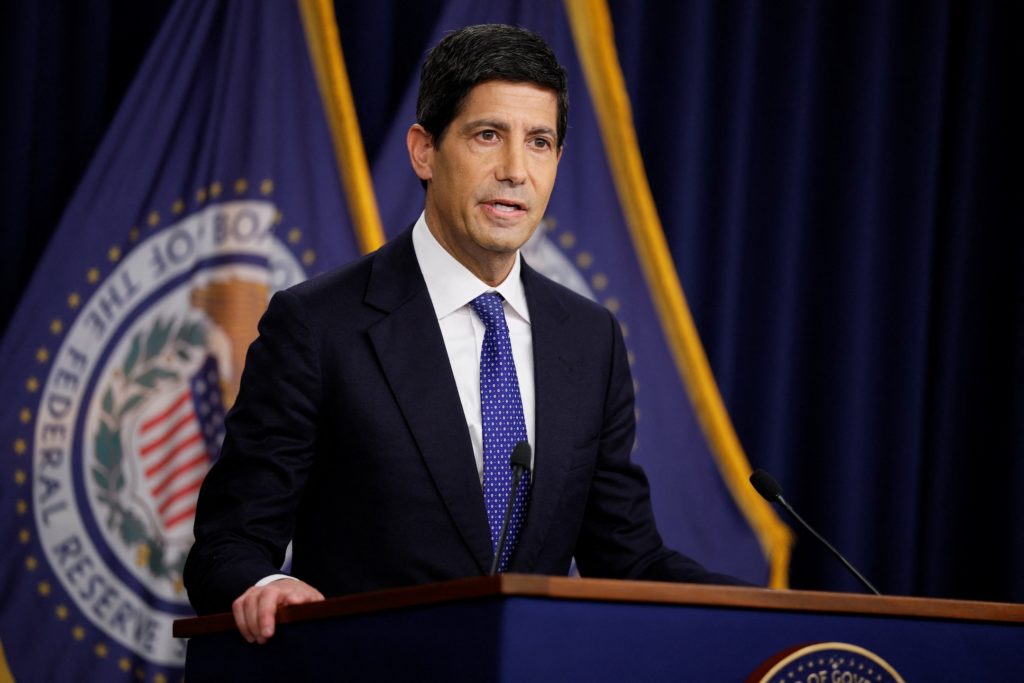
The Federal Reserve increased interest rates by 0.25%, marking the first such hike in three years. This move, spearheaded by Federal Reserve Chair Kevin Warsh, aims to combat high inflation sparked by the ongoing Iran conflict. Geoff Bennett spoke with economist Julia Coronado of MacroPolicy Perspectives about the impact of this decision.
Warsh, who took office four months ago under Trump's recommendation, explained that the decision was made to uphold the Federal Reserve's mandate of stable prices. He emphasized that the least disadvantaged citizens would benefit most from price stability. Coronado noted that this action reflects Warsh's commitment to independent decision-making, contrasting his predecessor who often yielded to political pressures.
The decision is seen as a significant shift, as the Fed had previously been lowering rates. However, the data indicates a low unemployment rate and persistently high inflation. This has led to a unanimous decision by the Federal Open Market Committee to raise rates. The impending hikes are expected to continue, according to most economists.
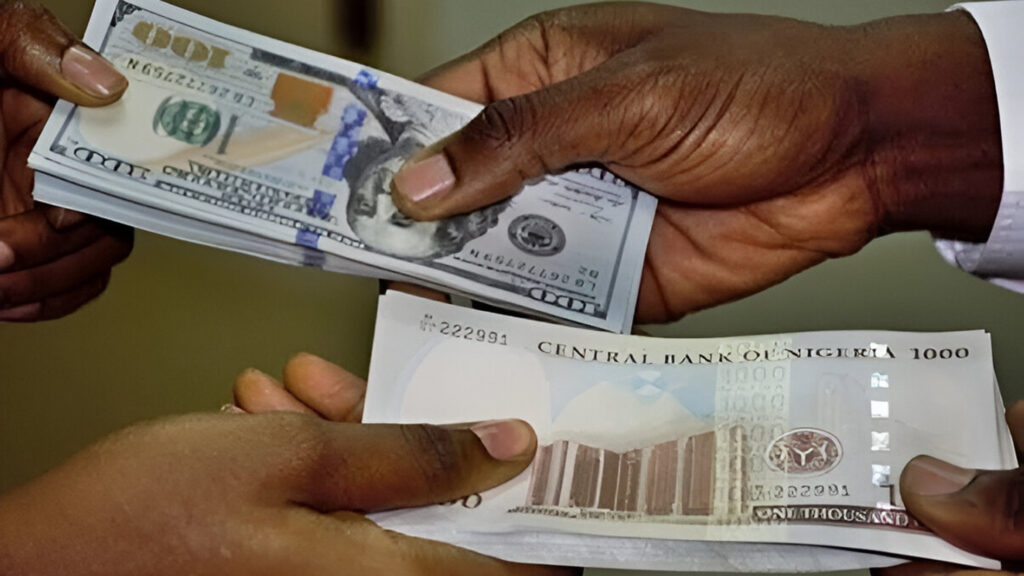
For households, the immediate effect of higher interest rates includes increased borrowing costs. Mortgage rates and auto loan rates are likely to rise, reflecting the current economic situation. The 10-year Treasury yield has surpassed 5%, a sign of the Fed's efforts to cool the economy.
Warsh's approach to communication differs from previous Fed leaders. He emphasized that decisions will be based on underlying trends rather than last-minute data fluctuations. Coronado highlighted that the Fed's decision is grounded in the resilience of the economy, with a low unemployment rate, which is a positive sign. However, for inflation to ease, signs of a wobbling economy or vulnerabilities in the labor market would be necessary.
Written by urgent.news from PBS NewsHour's reporting — not their text. Machine-written — may contain errors; check the original before relying on it.