Google Home opens the door to ChatGPT, Claude, and other AI agents
Early access for Google Home Premium Advanced subscribers
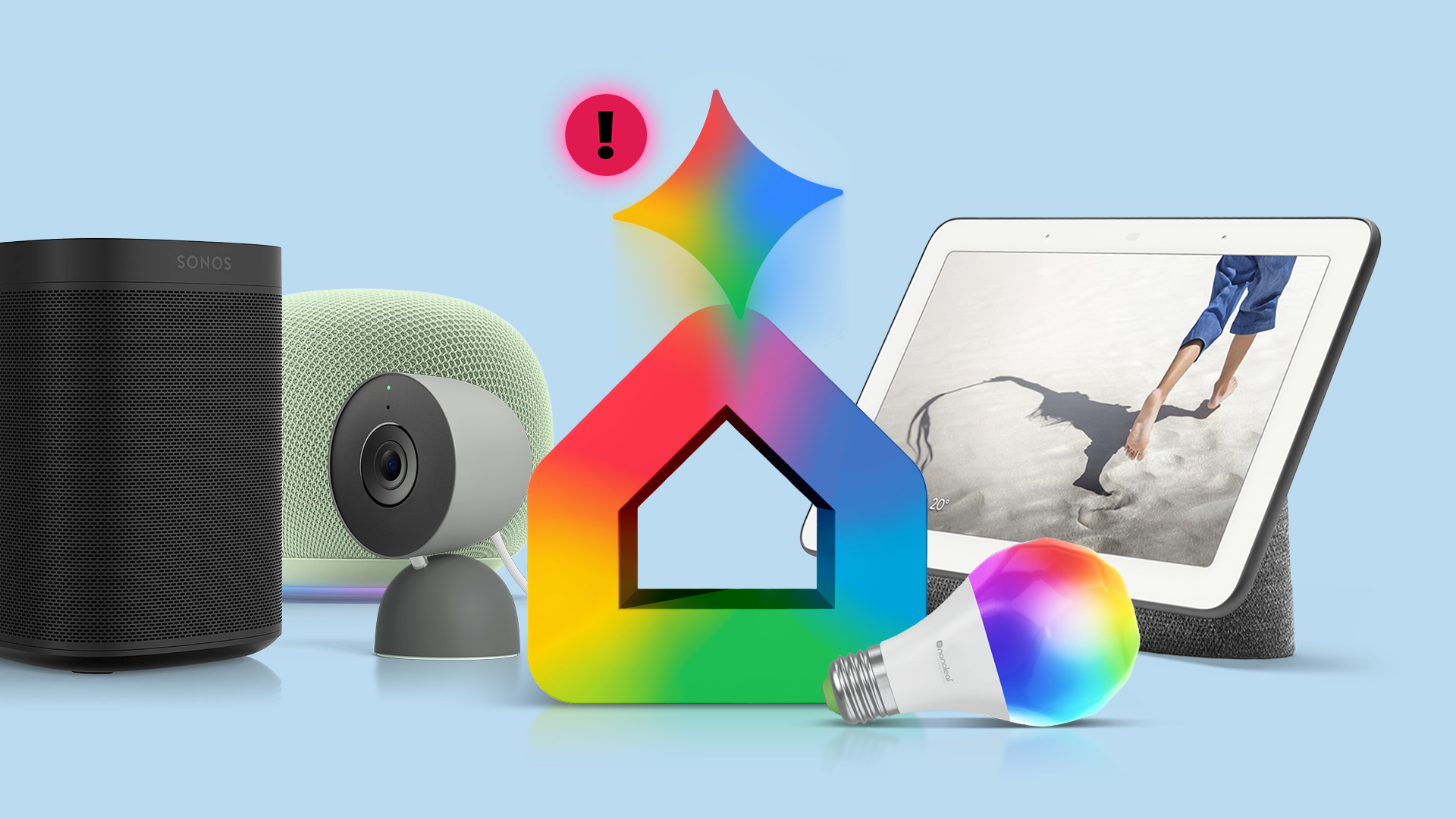
Google has introduced a new service that allows AI agents to control smart home devices connected to Google Home. Starting today, a limited number of subscribers in the U.S. will be able to access this feature as part of the Google Home Premium Advanced subscription, which costs $20 per month. The system, called the Model Context Protocol (MCP), enables AI agents like Claude, Hermes, OpenClaw, ChatGPT, and Google Antigravity to securely interact with smart home devices and access their event history.
Users can now use natural language instructions to perform tasks such as reviewing camera summaries, monitoring smart home activity, controlling connected devices, and creating custom smart home dashboards. To set up the connection, users must create a Google Cloud project, configure it for Home MCP, provide MCP configuration details to their chosen AI agent, and sign in to grant necessary permissions.
The MCP will support various devices in the Google Home ecosystem, including Nest doorbells and thermostats, as well as "Works with Google Home" or Matter devices like light bulbs. Google has already integrated MCP into other parts of its business, such as its Cloud and data platforms, developer tools, and Workspace. The service is currently being piloted in the U.S. and will be rolled out to other subscription tiers and markets in the future, pending feedback from early adopters through Google's Smart Home for Developers Community.
Written by urgent.news from TechCrunch's reporting — not their text. Machine-written — may contain errors; check the original before relying on it.
This story
This is one outlet's version. Read the fullest account.
- Google just made a huge smart home move — and it’s good news for Claude AI fans tomsguide.com
- Your AI agents can now control your Google Home devices techcrunch.com
- Google adds MCP integration to Google Home, letting third-party AI agents analyze home data and control devices, rolling out to Premium Advanced users in the US (Jennifer Pattison Tuohy/The Verge) theverge.com
- Google Home now lets you give the keys to your smart home to any AI agent you please xda-developers.com