Everyone loses from the haze, so why does no one move first? — Low Kah Choon
SEPTEMBER 16 — Earlier this month, Serian in Sarawak recorded an Air Pollutant Index (API) reading of 518 and an e...
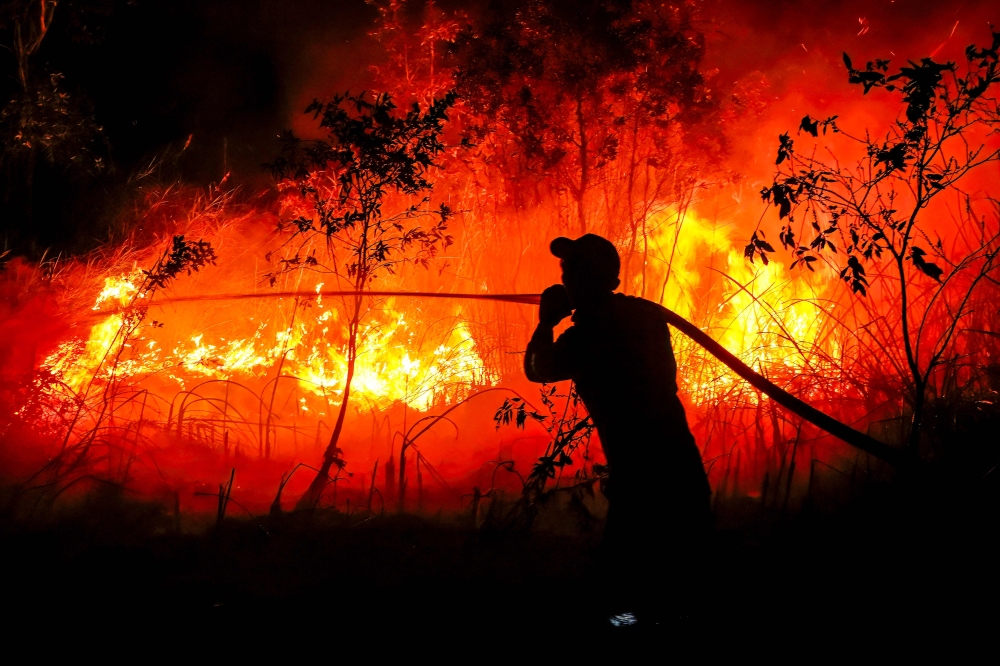
Everyone loses from the haze, yet no one takes the initiative to address it. This issue has persisted for years, despite efforts to combat it through international agreements, ministerial meetings, and resource deployment by neighboring countries. The question remains: if the haze harms everyone, why do none of the parties involved take the first step to resolve it?
Prime Minister Anwar Ibrahim has called for strengthening Asean's existing mechanism for addressing transboundary haze, but the root cause of the problem lies in incentives. Companies weigh the costs of various measures, such as land clearing, fire prevention, and water management, against the potential environmental consequences, which may be difficult to prove and shared with distant communities.
Similarly, smallholders face their own calculations, as they must decide whether to incur expenses for legal land management or continue burning at a lower cost. The government, too, plays a role in this dilemma, as it must balance environmental protection with economic growth and regional sovereignty. Indonesia's local authorities are caught between their desire for investment and job creation, and the need to enforce regulations, while Malaysia and Singapore must manage their own sovereignty concerns while providing assistance to Indonesia.
The haze is not just an environmental issue; it's a governance, economic, and sovereignty challenge. While Malaysia and Singapore may not be the source of the pollution, they still bear the consequences through health issues, school disruptions, tourism losses, and reduced productivity. In this complex web of actors, the question remains: why does no one want to move first and address the haze, when doing so could ultimately reduce everyone's losses?
Written by urgent.news from Malay Mail's reporting — not their text. Machine-written — may contain errors; check the original before relying on it.