From Syria to Sudan: how to hunt for chemical weapons evidence
In early 2013, television reports – initially disbelieved – emerged that Bashar Al Assad’s Syrian government was using deadly chemical weapons against its own people. It is a violation of international law that appears to have been repeated by the Sudanese Armed Forces a decade later as its civil war divided the country. Robert Fairweather, a former chief of cabinet at the Organisation for the…
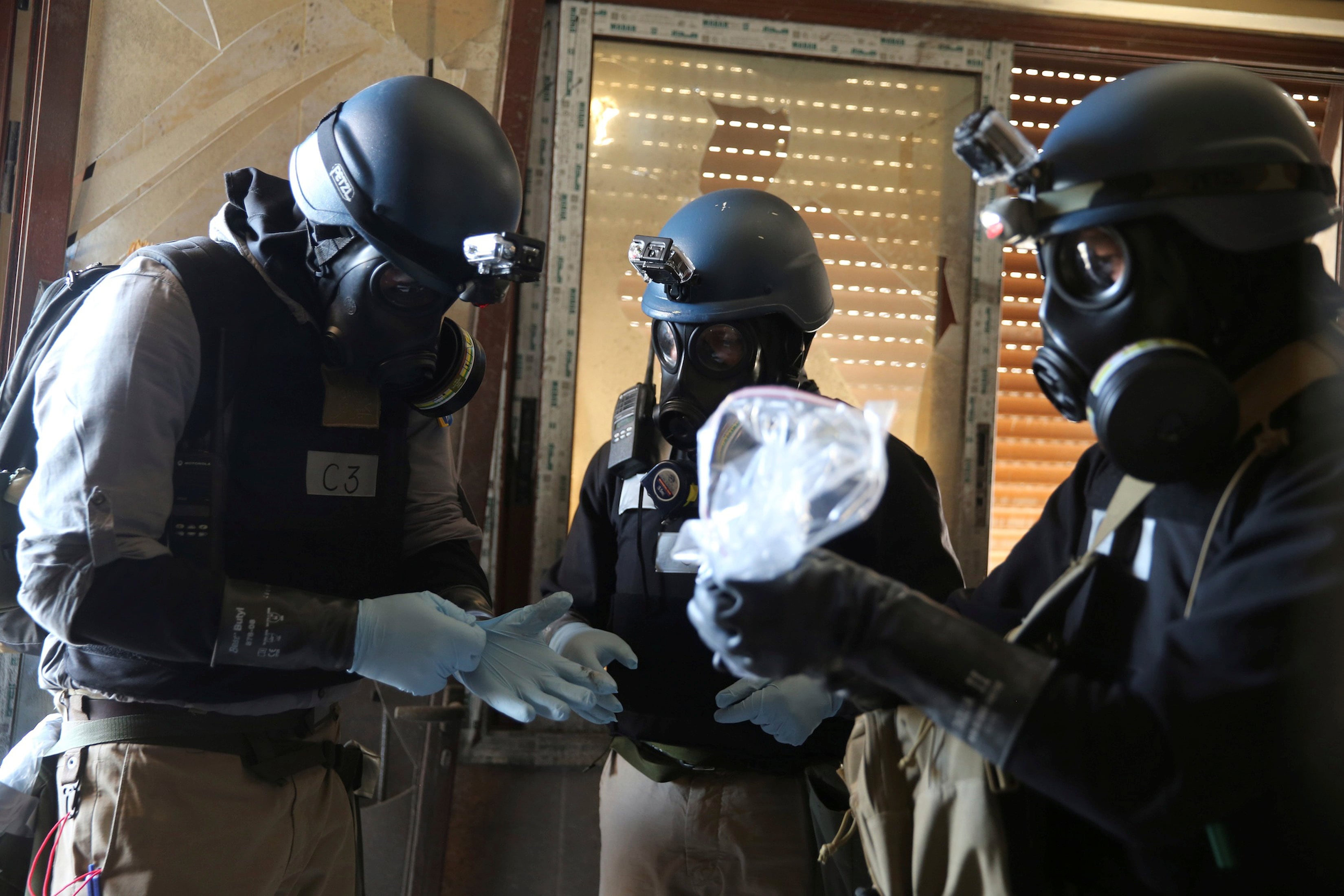
In early 2013, television reports indicated that Syria's government was using chemical weapons against its own people, a violation of international law. This was later confirmed by the use of sarin nerve agent in Ghouta, killing about 1,500 Syrians. Robert Fairweather, a former OPCW chief, emphasized the importance of enforcing the Chemical Weapons Convention to uphold the norm and hold responsible parties accountable.
In Syria, stories of hospitals filled with victims, captured by the BBC and CBS, drew international attention. A British Army security adviser, Hamish de Bretton-Gordon, witnessed the horrors of chemical attacks and decided to obtain verifiable samples to hold the Assad regime accountable. He set up the CBRN Task Force to train medics in collecting evidence, as the OPCW, intelligence agencies, and others could not operate in Syria due to the ISIS terror campaign.
Given the dangerous conditions and the need to meet International Criminal Court evidential standards, the CBRN Task Force worked tirelessly, documenting every step, filming evidence, and triple-bagging samples. Despite the dangers, they were able to collect crucial evidence, including biomedical samples from victims, which were instrumental in indicting Assad as a war criminal. The CBRN Task Force's efforts are now being used by the French government in its indictments.
In September 2024, similar chlorine attacks were reported in Sudan, similar to those used by the Assad regime. With witnesses and victims still alive, there is potential for operatives to retrieve evidence. However, the process is dangerous, as sarin and chlorine can quickly disappear, and the evidence must be collected and documented meticulously to be admissible in court.
Written by urgent.news from The National Business's reporting — not their text. Machine-written — may contain errors; check the original before relying on it.
This story
This is one outlet's version. Read the fullest account.
- From Syria to Sudan: how to hunt for chemical weapons evidence thenationalnews.com