Enterprises are sweating legacy IT assets as AI investment grows
Hardware such as mainframes found to hold the data and business logic needed to build those AI services
As companies increasingly invest in artificial intelligence (AI), they are becoming more cautious when it comes to replacing legacy IT assets. This was revealed in the 2026 State of IT Modernization report by managed services provider Ensono, which surveyed 500 IT decision-makers and business leaders in the US and UK. The report found that 78% of IT leaders view legacy systems as more critical today than they did two years ago, as they see these systems as essential components for implementing AI within their organization.
The growing importance of AI is reshaping modernization priorities, though companies still struggle with common challenges such as budget overruns, delayed initiatives, and talent shortages. According to Ensono, 45% of firms are actively scaling AI deployments across their organization, while 44% are investing in targeted, high-impact use cases.
AI, automation, and advanced data initiatives are now driving modernization efforts, with over half of companies claiming AI helps advance these initiatives through enhanced automation and improved efficiency.
However, businesses face significant barriers in achieving their AI goals, with the primary challenges being difficulty integrating AI into existing workflows and business processes (33% of respondents) and infrastructure limitations (28%). In response, many organizations are finding new strategic value in legacy systems, such as mainframes, as they become key foundations for AI and valuable sources of data.
More than half of organizations are optimizing and extending legacy systems while modernizing applications, rather than replacing them entirely.
This approach is more prevalent in the UK (57%) than in the US (48%). Ensono's Chief Strategy Officer, Brian Klingbeil, stated that enterprises are discovering that legacy systems like mainframes are powerful, reliable, and efficient sources of computing that can now be augmented and made more agile thanks to AI. These systems harbor decades of data and business logic that drive countless companies.
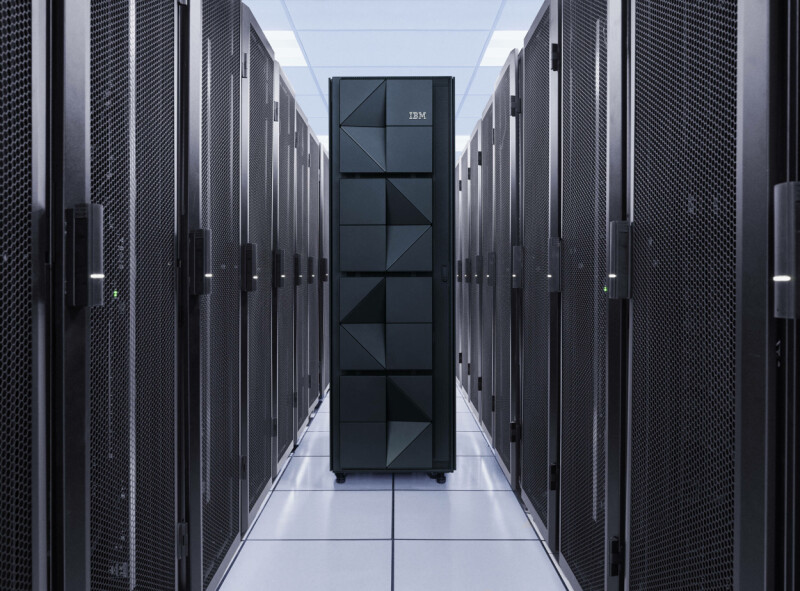
Mainframes have long been a topic of interest in this context. Infrastructure services firm Kyndryl found that big iron (mainframes) is becoming a prime candidate to host and run AI workloads, as enterprises increasingly integrate their mainframes with modern infrastructure. This allows for moving some workloads off the mainframe while updating others in place to continue benefiting from the system's security and reliability.
Analyst Gartner also noted earlier this year that migrating workloads to a mainframe makes more sense for VMware users than adopting Broadcom's new licenses.
Lastly, HPE's managing director for UK, Middle East, and Africa mentioned that enterprise customers are opting to sweat IT assets for longer, extending refresh cycles from five years to seven years. This shift in strategy forces customers to rethink their spending decisions, as some technology reaches its end of support or lease expiration at the datacenter. In summary, enterprises are realizing that legacy systems, like mainframes, are becoming invaluable assets in their AI-driven modernization journey.
Written by urgent.news from The Register's reporting — not their text. Machine-written — may contain errors; check the original before relying on it.
Also reported by 1 other outlet
- Enterprises are sweating legacy IT assets as AI investment grows theregister.com