Correcting misconceptions: the truth about Steve Biko's Black Consciousness
As we reflect on Biko's enduring impact, we must be vigilant against the misrepresentations that threat to eclipse his philosophical contributions. Only by returning to the roots of Black Consciousness can we honour Biko's legacy and fuel the continued struggle for authentic liberation in South Africa.
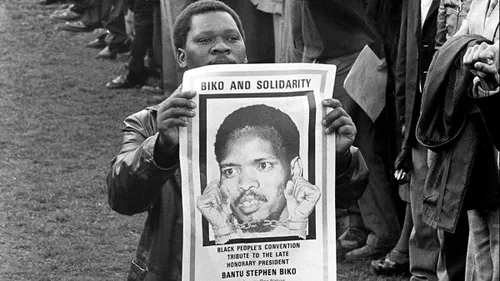
As we remember the tragic death of Steve Biko, it's important to clear up misunderstandings about his philosophy of Black Consciousness. One common misconception is that skin color didn't matter to Biko. This inaccurate portrayal often serves to justify the involvement of white liberals or revolutionaries in supporting black causes. It's crucial to understand that this misconception has been widely accepted and needs to be corrected.
Biko's Black Consciousness philosophy, rooted in Hegelian dialectics, positioned white racism as the primary antagonist, with black solidarity as the counter-force. The solution, or synthesis, would come from resolving the conflict between these two opposing forces. This dialectical process ultimately aimed to end black oppression and white racism, resulting in a non-racial society.
However, the misconception arises when Biko's statement, "being black is not a matter of pigmentation," is taken out of context and presented as a denial of the importance of skin color in his philosophy. In reality, Biko emphasized that being black encompasses more than just pigmentation. It involves an active political identity, a defiant stance against white oppression, and a commitment to working together with fellow black people to overcome their oppressors.
Biko recognized the role of pigmentation in the system of oppression, but he also emphasized that blackness is about more than just skin color. True blackness involves an active stance against white supremacy and a determination to unite with other black people in the fight for liberation. This understanding of blackness is what Biko meant when he said, "Being black is not just a matter of pigmentation; it is pigmentation plus a defiant stance against white oppression."
In conclusion, Steve Biko's Black Consciousness philosophy was clear about the antagonistic relationship between black and white people. While skin color did matter in the context of white racism, Biko also emphasized that blackness was a matter of consciousness, political identity, and a commitment to working together with fellow black people to achieve liberation from oppression.
Written by urgent.news from IOL's reporting — not their text. Machine-written — may contain errors; check the original before relying on it.