Colombia and Brazil deadliest countries for environmental activists, report says
The two countries accounted for 52% of killings of environmental activists in 2025, according to Global Witness.
Colombia and Brazil emerged as the deadliest countries for environmental activists in 2025, according to an annual report released by Global Witness. Out of 124 documented killings globally, 39 occurred in Colombia and 26 in Brazil. Ninety-five percent of these murders transpired in Latin America, the region that has consistently topped the list since the report's inception in 2012. In most cases, the killings were a result of land disputes, often facilitated by hired killers or organized crime syndicates.
Colombia has witnessed the highest number of environmental activist murders for the past four years. Nearly half of the victims in the country were indigenous groups, while the rest were small-scale farmers. Many indigenous communities in Colombia have established their own protection networks, comprising unarmed indigenous guards who patrol their lands. However, these guardians are frequently targeted by illegal armed groups seeking to expand their territories for coca cultivation or illegal mining.
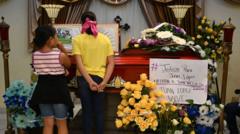
The latest victim, Jacob Guachetá Zambrano, was an indigenous guard from Colombia's Cauca region. He was discovered tortured and slain last week, though the exact motive behind his murder remains under investigation. Indigenous leaders have expressed concern, stating that murders, threats, and forced disappearances are commonplace in the region due to ongoing battles for territory.
Global Witness also reported a doubling of environmental defender killings in Brazil in 2025 compared to 2024. Similar to Colombia, most of the documented cases in Brazil stemmed from land conflicts. In Asia, the Philippines emerged as the top country with 12 documented murders, although these figures are likely an underestimation as many cases go unreported.
Despite a slight decrease in globally documented killings from 146 in 2024 to 128 in 2025, Global Witness warned the numbers might still be inaccurate due to widespread underreporting.
Written by urgent.news from BBC Science's reporting — not their text. Machine-written — may contain errors; check the original before relying on it.
This story
This is one outlet's version. Read the fullest account.