Canon EOS R8 Mark II review – Canon’s entry-level full-frame camera finally grows up
Canon’s entry-level full-frame line gets a striking new look and some significant updates. We take an in-depth first look. The post Canon EOS R8 Mark II review – Canon’s entry-level full-frame camera finally grows up appeared first on Amateur Photographer .
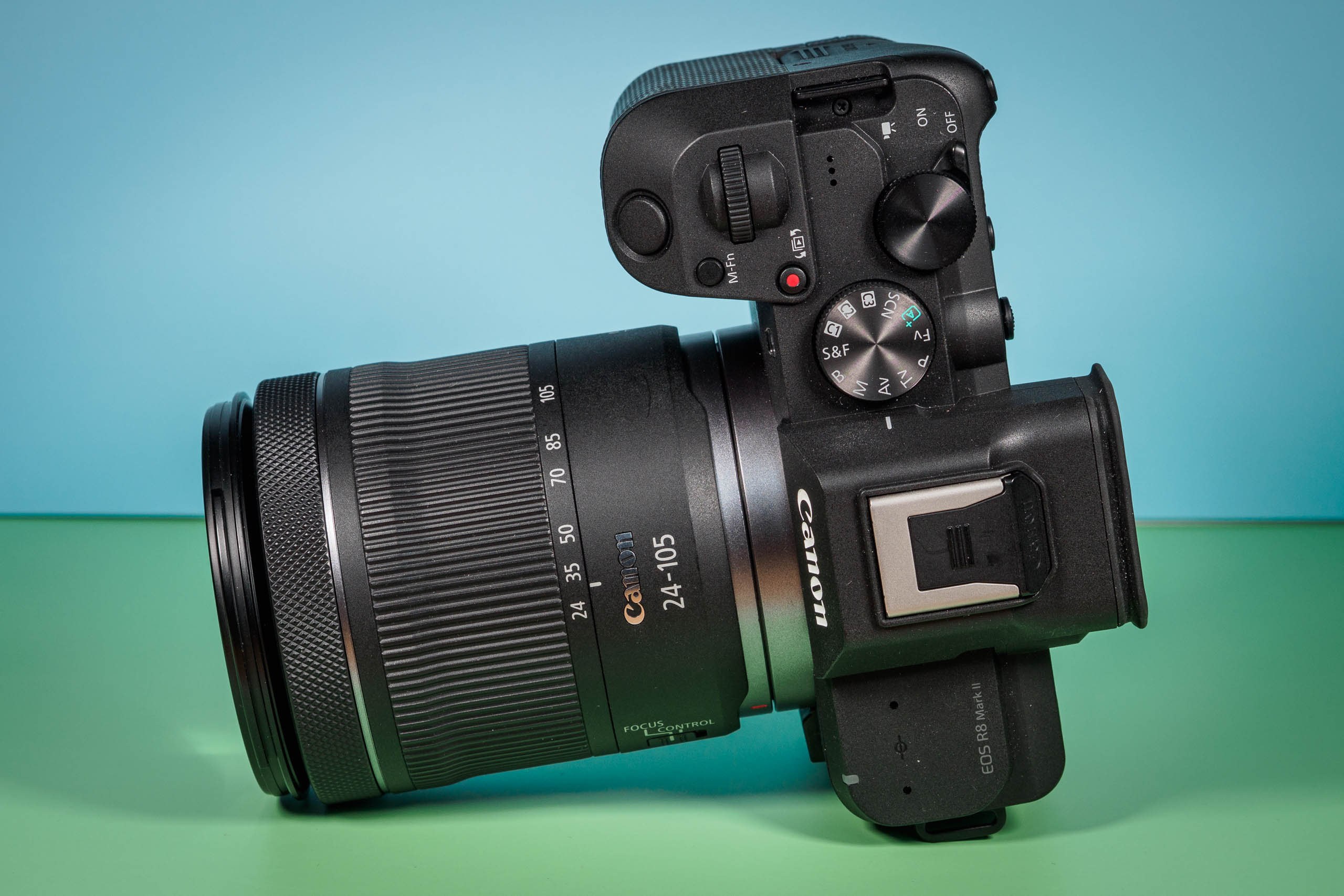
The Canon EOS R8 Mark II is the latest model in Canon's entry-level full-frame mirrorless camera line, featuring a significant upgrade from the EOS R8 released in 2023. Positioned between the predecessor and the more advanced EOS R6-series models, the Mark II offers a striking angular design, referencing the brand's manual-focus 35mm SLRs from the 1970s and '80s. However, it maintains a similar functionality to its predecessors, with a striking resemblance to Sony's Alpha 7-series cameras.
The EOS R8 Mark II boasts a 24MP full-frame sensor, ISO 100-102,400, and offers up to 40fps shooting speed. It also supports 4K 60p video recording. The camera features a thicker body, accommodating the in-body stabilisation, and includes a joystick on the back for repositioning the autofocus point. The SD card slot is now located on the side, protected by its own door, rather than in the base beside the battery.
Despite its new design, the EOS R8 Mark II shares many specifications and control layout with its predecessor. It utilizes the same 24MP full-frame sensor, shutter, viewfinder, and rear screen, though it has an updated processor. The camera also maintains the same battery, albeit a slightly thicker one. At £1729.99 body-only, or £2119.99 with the RF 24-105mm F4-7.1 IS STM kit zoom, the EOS R8 Mark II competes with other high-quality cameras, such as the Nikon Z5II and Panasonic Lumix S5II.
Written by urgent.news from Amateur Photographer's reporting — not their text. Machine-written — may contain errors; check the original before relying on it.
Also reported by 2 other outlets
- The new Canon EOS R8 Mark II may not be retro, but I’m happy as it fixes my biggest complaints amateurphotographer.com
- Canon EOS R8 Mark II hands-on review: 1980s camera inspiration meets modern mirrorless performance digitalcameraworld.com