BOOK EXCERPT: The Ego Trip: The promise and peril of the modern psychedelic boom
A charismatic doctor claimed to have rediscovered the ancestral roots of ‘toad medicine’ and became the face of a global psychedelic movement. But in his wake he left a trail of destruction that embodies the maladies of our spiritually desolate age.
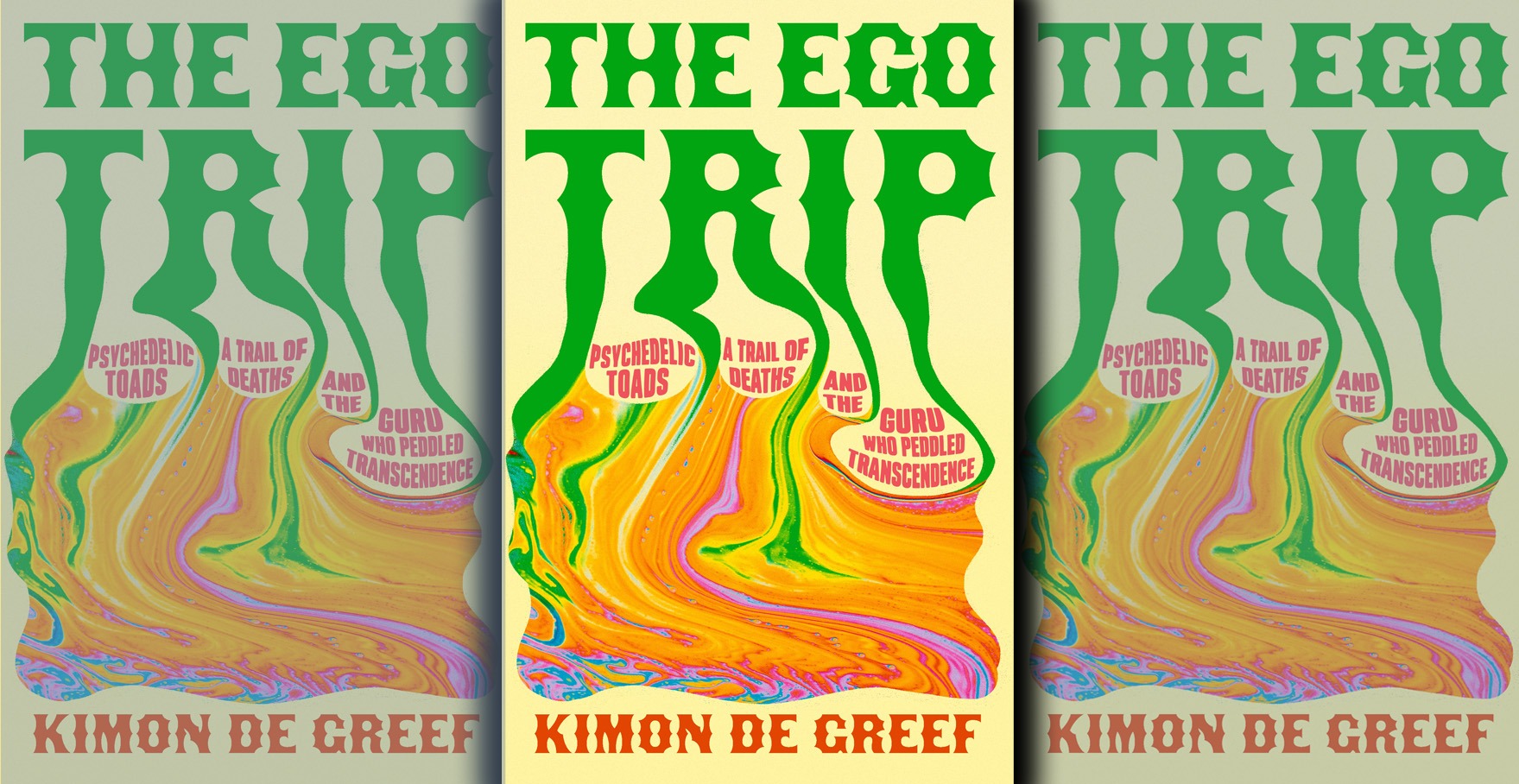
Dr. Octavio Rettig claims to have rediscovered the ancient practice of "toad medicine," which has sparked a global psychedelic movement. However, his actions have left a trail of destruction that reflects the flaws of our spiritually disoriented society. In the book "The Ego Trip," author Kimon de Greef delves into the promise and perils of "toad medicine," using the story of Rettig as a gripping exposé of the modern psychedelic scene.
To experience 5-MeO-DMT, the primary psychoactive compound found in the Sonoran Desert toad, one must press the toad's glands, causing a violent release of the substance, similar to popping pimples. The resulting pale, viscous substance is then vaporized in a glass pipe, releasing the powerful psychoactive agent. The effects of 5-MeO-DMT are intense and short-lived, coming on within seconds and lasting approximately 20 minutes. Users often lose all sense of time and themselves during the experience.
Many people have reported experiencing ego death, a total loss of identity, and a sense of pure awareness commonly associated with advanced meditators. Other users have described mystical encounters or being engulfed by white light. Recently, toad smoking has gained mainstream popularity, with high-profile figures such as Michael Pollan, Hunter Biden, and Mike Tyson all vouching for its transformative effects.
The source of these profound sensations lies within the Sonoran Desert toad, a large amphibian native to the border region between Mexico and the United States. These toads can grow up to eight inches in length, with pale bellies the size of softballs and smooth skin, adorned with bulging glands on their limbs and necks for secreting toxic defense chemicals. These glands are the key to unlocking the psychedelic properties of the toad.
The Sonoran Desert toad is unique in producing 5-MeO-DMT, a compound still not fully understood by evolutionary biologists. The toads spend most of the year in underground burrows, emerging during summer monsoons to mate and feed voraciously. Their short-lived tadpoles must metamorphose before the water dries up, and then the toads and their offspring retreat back into the earth.
Their life cycle is a testament to the pulse ecosystem of the desert, characterized by long periods of stagnation interspersed with brief bursts of activity.
Written by urgent.news from Daily Maverick's reporting — not their text. Machine-written — may contain errors; check the original before relying on it.