Bernstein expects ‘aggressive’ rulemaking from SEC, CFTC, following CLARITY Act failure
Bernstein said the federal agencies will publish new regulations to compensate for the time lost negotiating the CLARITY Act, after its cloture vote failed on Tuesday.
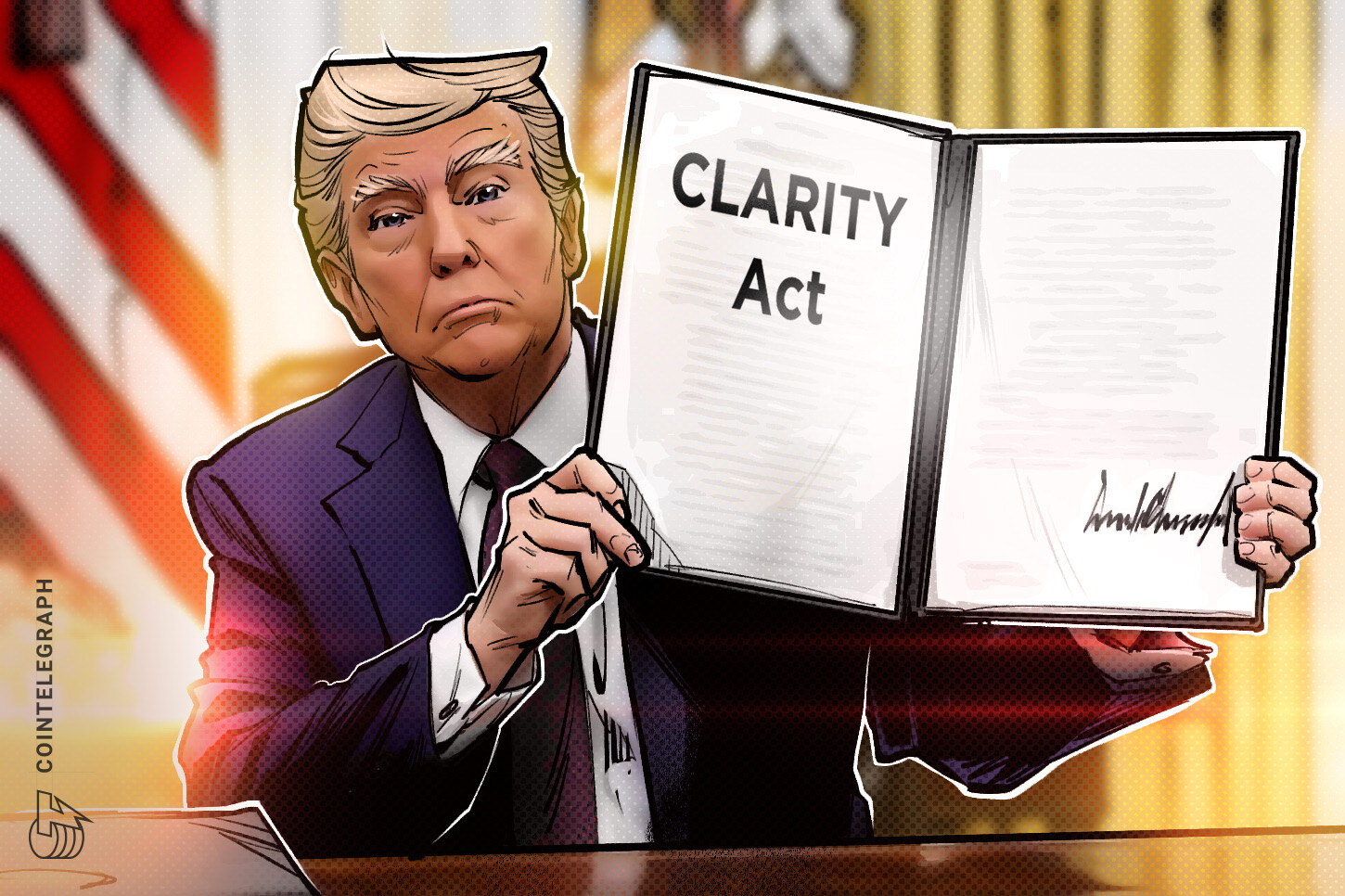
Bernstein analysts anticipate "aggressive and swift" rulemaking from the SEC and CFTC following the CLARITY Act's failure to secure Senate cloture. The Digital Asset Market Clarity (CLARITY) Act, which aimed to establish the country's first regulatory framework for digital assets, fell short in a Senate vote on Tuesday. Bernstein's analysts assert the federal agencies will publish new regulations to compensate for the lost time spent negotiating the CLARITY Act.
These expected regulations include token taxonomy for raising capital, protection measures for decentralized finance developers and self-custodial protocols, innovation exemptions for equity tokenization, quicker approval times for real-world asset perpetual futures, and amendments to rules around federal sports event contracts classified as swaps.
The US Senate's inability to pass the CLARITY Act on Tuesday leaves no room for a re-vote, according to Bernstein. Analysts cited a limited time window and concerns over the bill's ethics provisions as reasons for the unlikely re-vote. The SEC proposed new rules on Aug. 19 to create a "clear and fit-for-purpose framework for certain investment contracts involving crypto assets."
These rules would allow entities to raise capital while preserving investor protections, offering crypto companies exemptions to issue up to $5 million in tokens every four years and up to $75 million within 12 months. Additionally, the proposed rules would exempt cryptocurrencies from being treated as "investment contracts." SEC Chair Paul Atkins stated on July 27 that the agency was "ready, willing, and able to come out with rules" on digital assets if the Senate failed to pass the CLARITY Act.
Written by urgent.news from Cointelegraph's reporting — not their text. Machine-written — may contain errors; check the original before relying on it.