Australia to ban student dependants as Labor fends off far-right pressure
Australia is set to introduce sweeping changes to its immigration policy by barring international students from bringing dependants, in a bid to ease housing pressures and fend off a growing political challenge from the far-right. Home Affairs Minister Tony Burke will announce the measures at the National Press Club in Canberra on Thursday, outlining plans to trim net overseas migration from…
The Australian government plans to ban international student dependants from accompanying their students, as part of a sweeping immigration overhaul aimed at addressing housing pressures and countering a surge in far-right political pressure. Home Affairs Minister Tony Burke intends to unveil these measures at the National Press Club in Canberra on Thursday, outlining a reduced net overseas migration target of 225,000 by 2028 from the current 300,000.
Additionally, temporary residence permits will be limited to prevent "visa hopping" and ensure migrants depart Australia upon visa expiration, according to national broadcaster ABC. In the last fiscal year, 337,427 student visas were issued, with 45,991 of them for dependants or family members. International education contributes significantly to Australia's economy, accounting for A$36.4 billion (US$25.96 billion) in the 2022–23 financial year.
Burke announced the policy changes through legislation, while also remaining open to other measures if the Labor Party's plan fails to pass parliament. The government aims to overhaul the immigration system, which has been demand-driven since the Hawke and Howard years, with processing speeds and planning levels as the primary tools available.
The crackdown targets individuals on bridging visas, allowing holders to stay and work in Australia, following allegations of "gaming the system." These include temporary migrants whose protection claims have been rejected by the Department of Home Affairs, with the department handling approximately 1,580 protection claims monthly, mostly from Chinese, Indian, and Malaysian nationals on student or visitor visas.
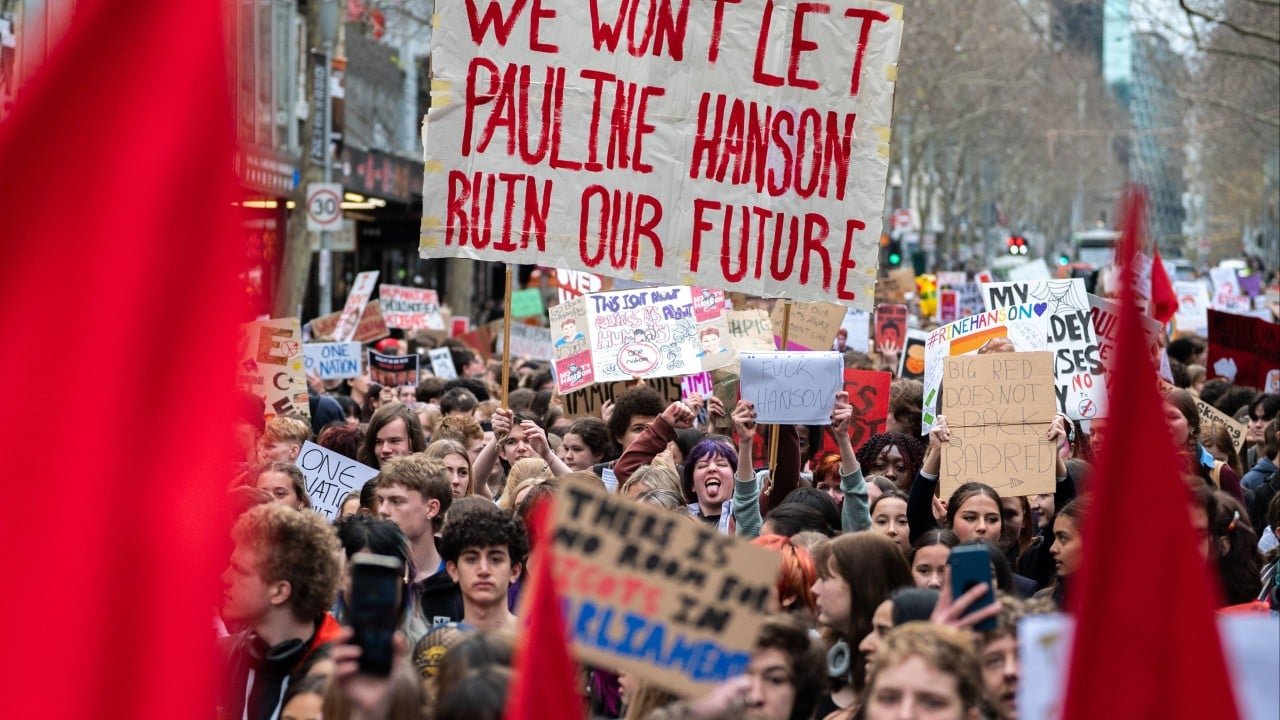
Although 90% of these claims are rejected, applicants can appeal, a process that can take up to eight years. Prime Minister Anthony Albanese's government faces increasing pressure from Pauline Hanson, leader of the far-right One Nation party, who has blamed the housing crisis on migration. Hanson has proposed reducing temporary migrants by roughly 750,000 over three years.
Her party has gained traction in recent opinion polls, with 31% support, surpassing Labor's 30%. Migration has been a vital engine of Australia's economic growth, helping the country avoid recession since the early 1990s, aside from a brief contraction during the Covid-19 pandemic.
Written by urgent.news from South China Morning Post's reporting — not their text. Machine-written — may contain errors; check the original before relying on it.