AFRICAN AVIATION: Africa’s air travel relies on distant hubs: It’s time to fix this
Decades of colonial routing leave Africa reliant on Dubai, Doha and Istanbul; investing in Addis, Nairobi and Cairo hubs and enforcing the Single African Air Transport Market will strengthen the continent’s aviation resilience.
African aviation currently relies heavily on external transit hubs like Dubai, Doha, and Istanbul, often requiring travelers to pass through these distant locations to reach other African destinations. This reliance on external infrastructure has long been the norm, rooted in colonial air networks that prioritized connecting African territories with European capitals over intra-African connectivity.
Post-independence, despite national flag carriers being established, commercial agreements and international routes remained predominantly oriented towards former colonial powers.
The recent Gulf crisis in 2026 has exposed the significant risks of such a dependence. As airlines were forced to reroute flights and incur higher operating costs, the ripple effects extended beyond the region, impacting Africa's aviation network. The crisis has highlighted the need for investing in African hubs such as Addis Ababa, Nairobi, and Cairo, and enforcing the Single African Air Transport Market to enhance the continent's aviation resilience.
The costs of instability in the Gulf are immediate and severe. Airlines are forced to adopt longer routes, leading to increased fuel consumption, higher crew costs, and insurance premiums. Delays and disruptions result in increased expenses, which are ultimately passed on to passengers and exporters. African carriers, already among the world's costliest to operate, are particularly vulnerable due to higher fuel prices and limited refining capacity.
This situation is exacerbated by the longer flight paths required for many African airports, further straining their competitive edge.
While the African Airlines Association estimates that almost 70% of Africa's intercontinental capacity is still operated by non-African carriers, the crisis underscores the urgent need for intra-African connectivity. Building or expanding airports and modernizing infrastructure is crucial, but equally important is the establishment of institutions that can coordinate responses during crises.
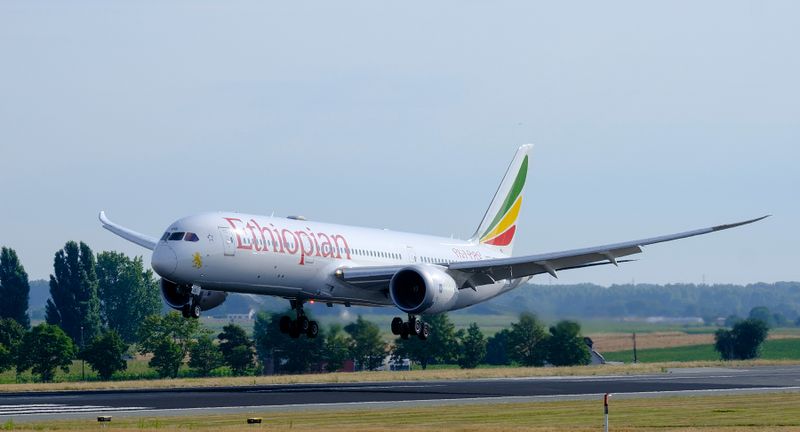
Ethiopia's Ethiopian Airlines serves as a model, demonstrating the potential of coherent institutional support and operational autonomy. However, many African airlines still face restrictions in market access, inconsistent regulations, and fragmented connectivity.
The African Union has taken steps in recent years, signing the Lomé Declaration in 2026 and committing to accelerate progress towards a single market in air traffic. These initiatives are essential for overcoming the current fragmentation and fostering a more resilient and interconnected African aviation system.
Written by urgent.news from Daily Maverick's reporting — not their text. Machine-written — may contain errors; check the original before relying on it.