What is behind Washington's changing diplomatic tactics in Sudan's civil war?
A year after the US and its Arab partners announced a plan to secure a ceasefire in Sudan, Washington is increasing pressure on the country's warring generals and saying neither can have a role in governing the country after the war. Massad Boulos, the US envoy for Arab and African affairs, said on Tuesday that there is “ no future ” for Sudan's two rival military leaders, both of whom face US…
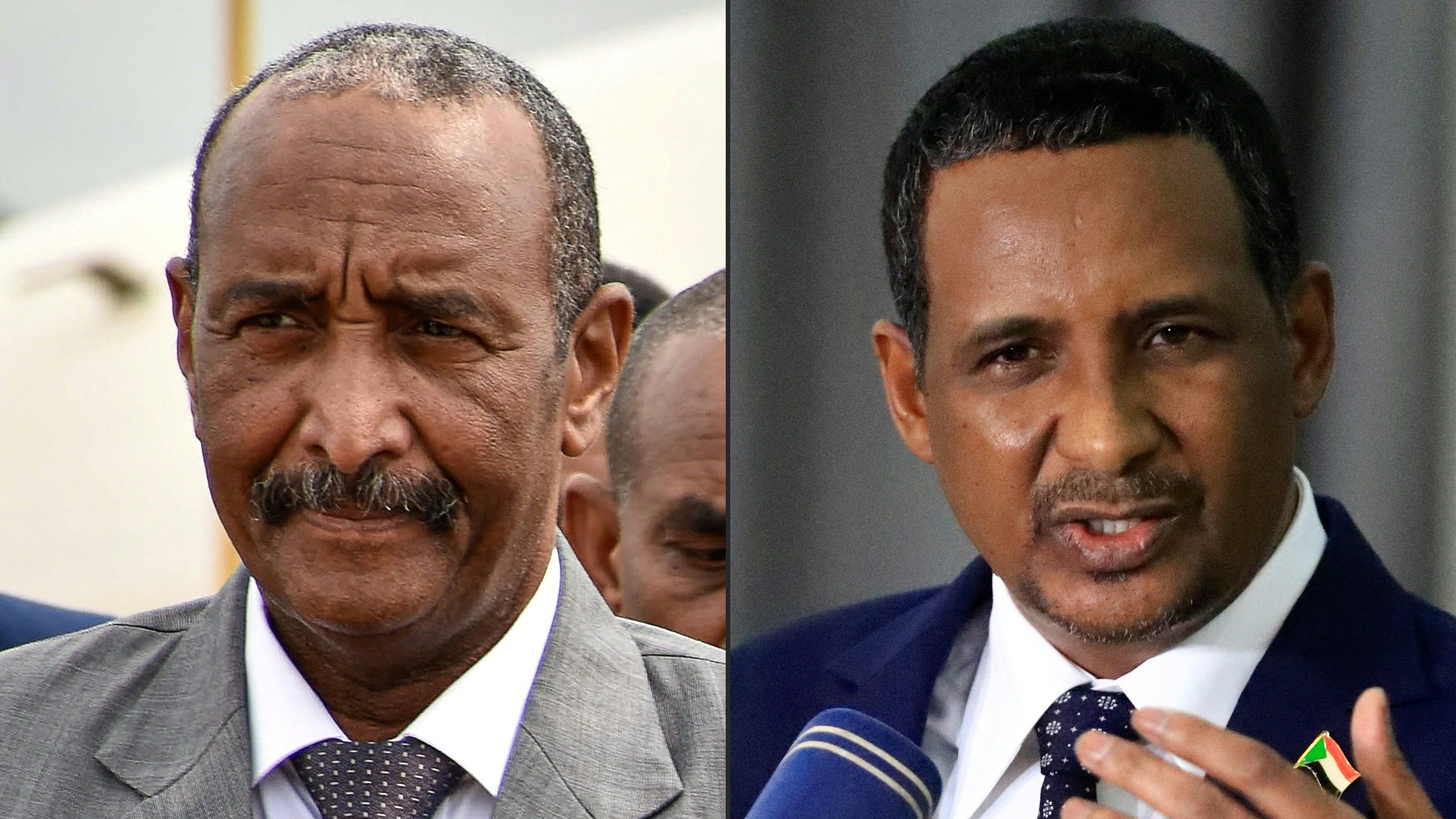
Since last year's US-backed ceasefire plan in Sudan has not materialized, Washington is now tightening the screws on the country's belligerent military factions. Massad Boulos, the US envoy for Arab and African affairs, stated that both rival generals—Abdel Fattah Al Burhan, head of the Sudanese Armed Forces, and Mohamed Dagalo, leader of the Rapid Support Forces—cannot play any role in post-war governance. Both face US sanctions and accusations of widespread human rights abuses.
While Washington continues to advocate for the 2024 Quad-backed ceasefire roadmap, the envoy admitted the initiative has yet to produce tangible results. The US is now pushing for a broader UN arms embargo covering the entire Sudan, in addition to measures against the Khartoum government over allegations of chemical weapon use. Analyst Areig Elhag from the Washington Institute for Near East Policy noted that recent US measures target Al Burhan more directly compared to earlier efforts.
The Biden administration accused the Rapid Support Forces of genocide in January 2025, a claim maintained by the Trump administration as well. Although the RSF has pledged a 90-day humanitarian truce, it has rejected key aspects of the withdrawal plan. Analyst Elhag observed that the RSF's diplomatic approach is more polished than that of the military, which may explain why the international community perceives them favorably.
Al Burhan, who has led Sudan since 2019, is scheduled to attend the UN General Assembly in New York next week, providing US diplomats another chance to communicate their stance. Elhag cautioned that increased pressure on Al Burhan might not be sufficient to convince him to engage in negotiations. "The central issue with Al Burhan is that he is not making choices alone," she pointed out, highlighting the involvement of various armed groups, Islamists, and political factions within his camp.
This year has seen the Sudanese Armed Forces accused of employing chemical weapons, revealed through reports from The New York Times and The Washington Post. Additionally, a UN fact-finding mission found that the SAF had deployed foreign drones in operations that caused civilian casualties. The UN Security Council recently authorized a one-month extension to discuss expanding the ongoing arms embargo from the Darfur region to the entire Sudan.
The conflict has claimed tens of thousands of lives, displaced millions, and created the world's largest hunger crisis, with roughly 20 million people facing acute food shortages. However, Al Burhan remains determined to continue fighting until the RSF is vanquished, dismissing repeated appeals for a ceasefire from Washington and regional powers.
Written by urgent.news from The National Business's reporting — not their text. Machine-written — may contain errors; check the original before relying on it.
Also reported by 1 other outlet
- What is behind Washington's changing diplomatic tactics in Sudan's civil war? thenationalnews.com