Want a cheaper Galaxy S26? Samsung’s Certified Re-Newed lineup has you covered
Getting a flagship for less just got a bit easier.
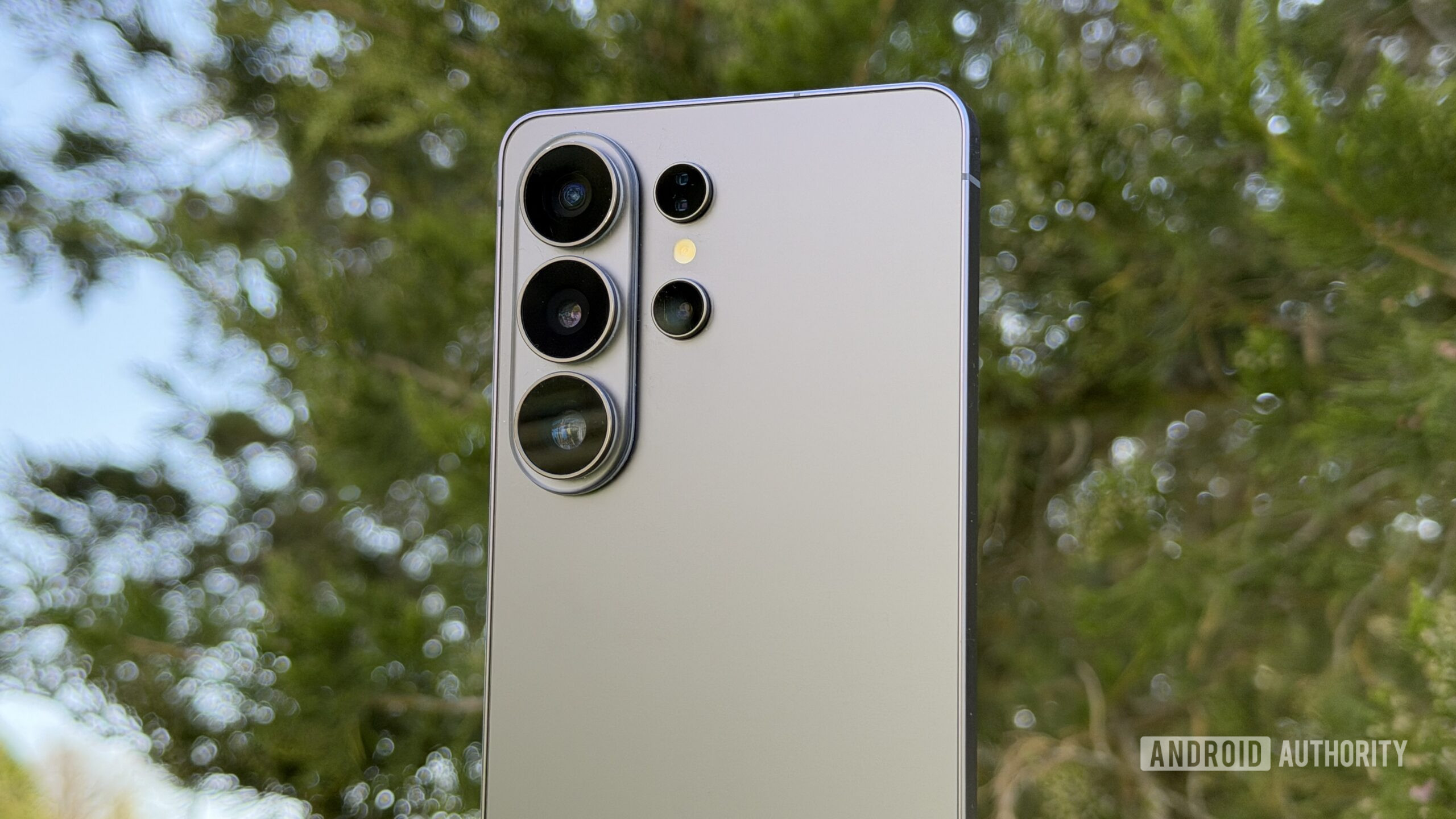
Samsung has introduced a Certified Re-Newed lineup, which includes the Galaxy S26 Ultra, S26 Plus, and S26. Prices for these devices start at $759 for the S26, $929 for the S26 Plus, and $1,099 for the S26 Ultra. Each phone comes with a fresh battery, a one-year warranty, and the option to add Samsung Care Plus with Theft and Loss coverage.
The rise in smartphone prices, particularly for flagship models, has made purchasing a new phone in 2026 a more costly endeavor. There have been reports suggesting Samsung might raise the prices of the Galaxy S26 series. However, those seeking a more budget-friendly option for the flagship devices now have a solution. Samsung announced today that nearly the entire Galaxy S26 lineup is now part of its Certified Re-Newed program, providing customers with a more affordable way to acquire some of the top Android smartphones of 2026. The only Galaxy S26 model absent from the program is the recently released Galaxy S26 FE.
Written by urgent.news from Android Authority's reporting — not their text. Machine-written — may contain errors; check the original before relying on it.
This story
This is one outlet's version. Read the fullest account.
- Samsung may pull an Apple and make the Galaxy S26 series pricier androidauthority.com
- Samsung launches ‘Re-Newed’ Galaxy S26 series, $1,099 for Ultra 9to5google.com