UPI MDR Regime Explained: Here’s What Will Be Charged After Oct 15
India’s ubiquitous UPI payment system is set for a significant change from October 15, with the introduction of a merchant…
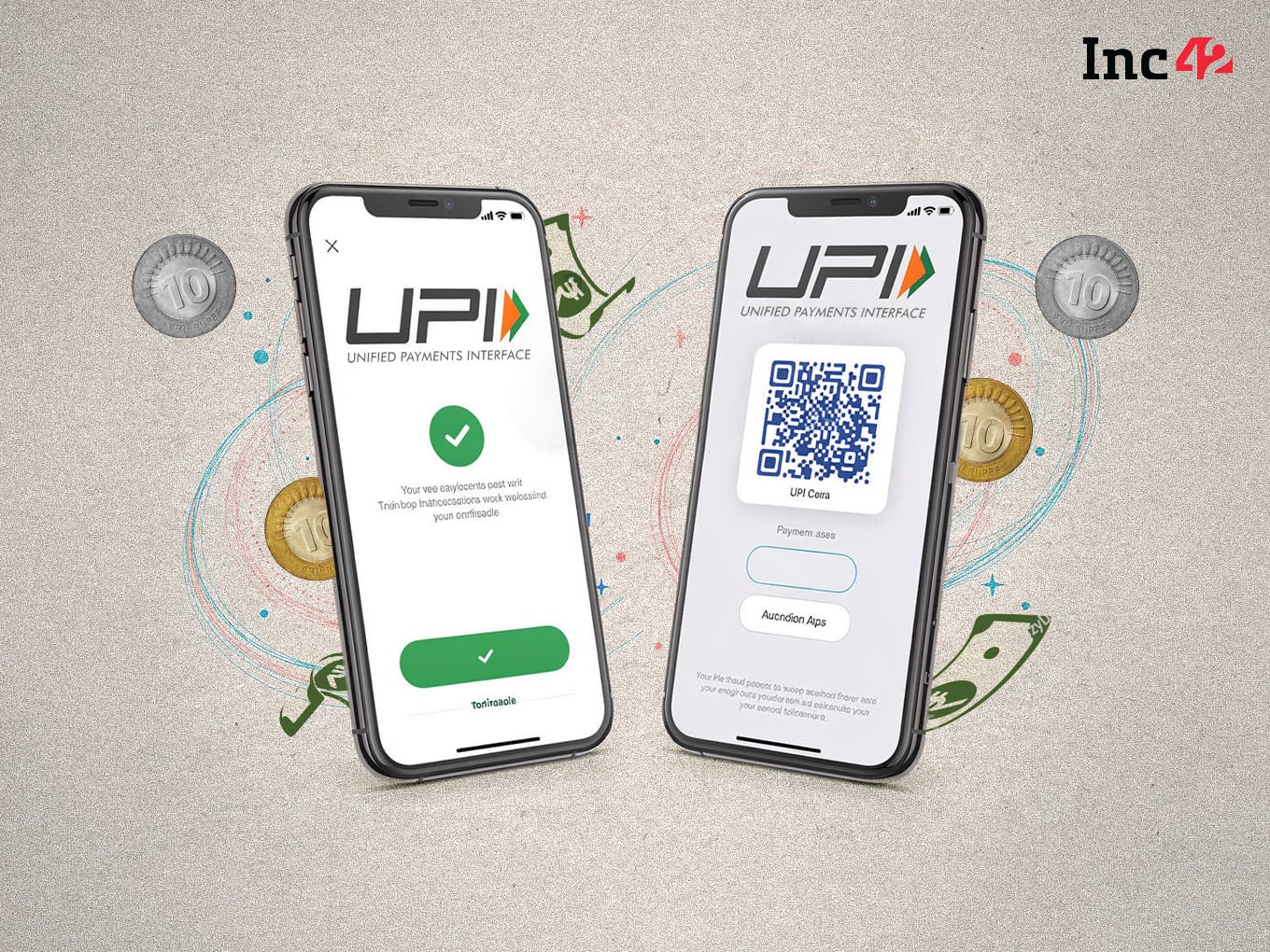
The Unified Payments Interface (UPI) payment system in India will undergo a significant transformation from October 15, 2026, with the introduction of a merchant discount rate (MDR) on specific transactions. Merchants will now be charged an MDR of 0.4% on person to merchant (P2M) UPI transactions exceeding ₹2,000, with a maximum cap of ₹300 for transactions worth ₹75,000 or higher.
This change does not make UPI a paid service for consumers; it adds a commercial element for merchants. Regular P2M transactions above ₹2,000 will incur an MDR of 0.4% of the transaction value, while those below ₹2,000 will remain unaffected by MDR. High-value transactions of ₹75,000 or more will have a capped MDR of ₹300. Small merchants processing up to ₹1 Lakh monthly through UPI QR codes will continue to enjoy zero MDR.
Sectors like railways, telecom, insurance, fuel, utilities, and capital markets have been exempted from the standard 0.4% MDR, instead receiving a flat rate of ₹5 for transactions above ₹2,000. The MDR revenue will be distributed among the issuer bank, TPAP, and acquiring bank, ensuring the infrastructure remains financially sustainable while keeping UPI accessible for consumers.
Written by urgent.news from Inc42's reporting — not their text. Machine-written — may contain errors; check the original before relying on it.