‘U-turn’ kuota bahan api masuk akal dari sudut ekonomi, kata ahli akademik
Tan Peck Leong berkata pengurangan pada April dan pemulihan kuota pada September selari perubahan harga minyak mentah Brent serta kos subsidi kerajaan.
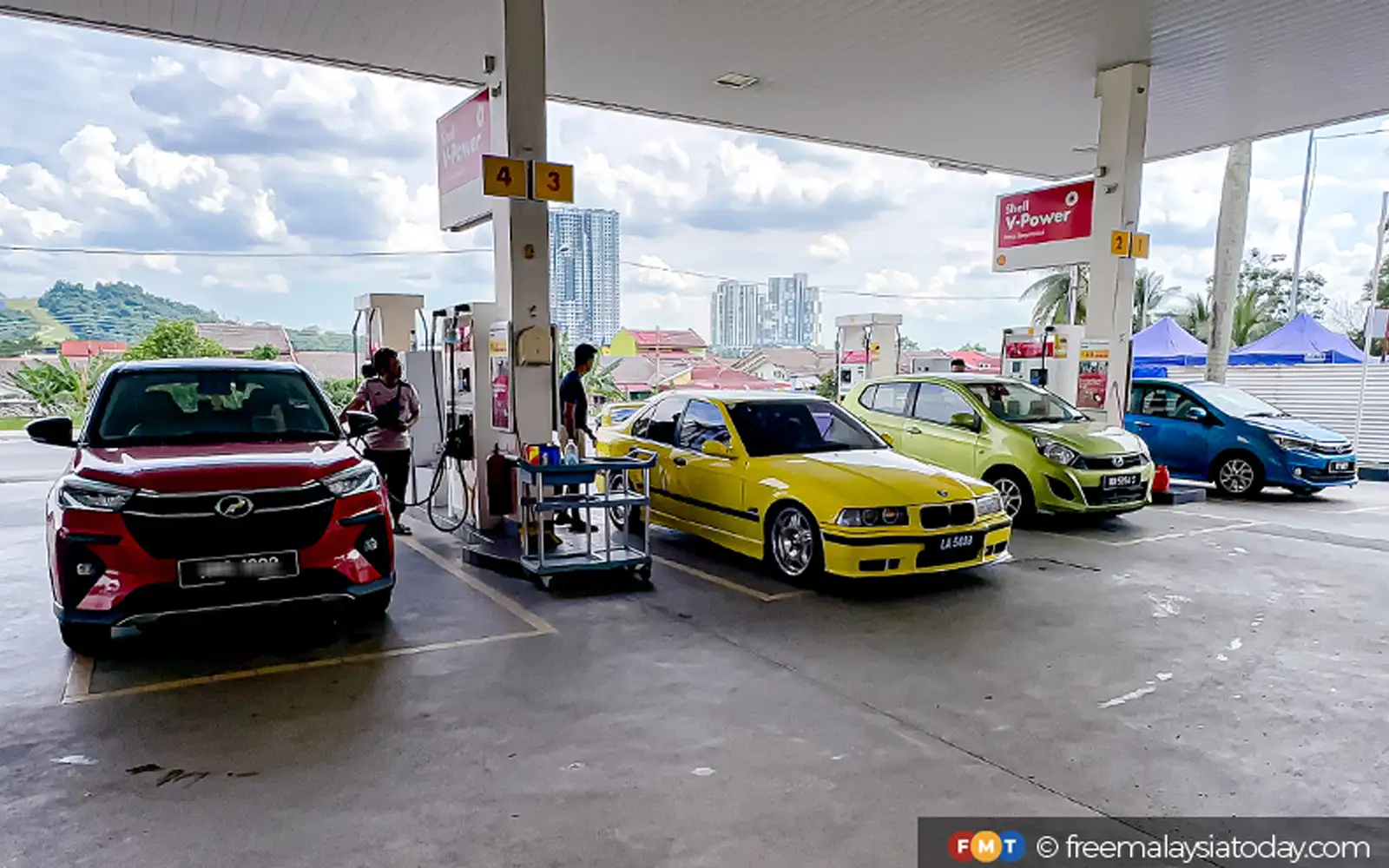
The Malaysian government's recent decision to reduce the BUDI95 fuel quota from 300 liters to 200 liters and then reverse the move may appear to be a political U-turn, but it can be explained from an economic perspective, says Tan Peck Leong, an academic from Universiti Teknologi Mara.
The government did not withdraw subsidies or increase the subsidy price; instead, it acted based on global oil prices, Tan Peck Leong explained. The reduction in April came when global oil prices were high, and maintaining the RON95 subsidy at RM1.99 per liter increased costs. "Economically, reducing the monthly quota from 300 liters to 200 liters during that period was reasonable," Tan told FMT.
The Prime Minister's advisor emphasized that the government did not withdraw the subsidy or raise the price; it merely limited the maximum amount of subsidized petrol an individual could buy. This is because the cost per liter of subsidy to Perbadanan becomes higher as it increases.
Data showed that less than 1% of BUDI95 users consistently used more than 200 liters per month, while the average consumption was around 100 liters. In an illustrative calculation, if around 1% of Malaysia's 16 million BUDI95 users used an additional 100 liters in April, it would mean the government would incur extra costs of approximately RM36.5 million. If the quota were restored, the same amount would cost around RM29.3 million, saving the government RM7.2 million. This does not include BUDI Diesel.
"Calculations show that framing it purely as a political move is too simplistic," Tan said. The reduction in quota was triggered by uncertainty surrounding the US-Iran conflict, which caused Brent crude oil prices to rise to USD126.41 per barrel on April 30, the highest in over four years. In Malaysia, RON95 without subsidies cost RM4.27 per liter in the September 9-15 period, compared to RON95 with subsidies at RM1.99 per liter.
Leading up to August 28, just days before Anwar announced the reinstatement of the 300-liter quota, Brent fell to USD89.31 per barrel, while RON95 without subsidies dropped to RM3.82 per liter for the August 27-September 2 period. Tan stated that the reinstatement of the quota did not mean Malaysians suddenly started using more fuel.
Instead, the extra 100 liters for BUDI95 and BUDI Diesel primarily served as a buffer for occasional long-distance travelers or those facing higher usage during the Malaysian East Coast season.
"The difference is clear: 200 liters are more economically viable, while 300 liters provide greater comfort to users," he added. "The government seems willing to accept a small fiscal burden for higher public trust and acceptance of the subsidy scheme." University Islam Antarabangsa Malaysia's Syaza Shukri suggested that the quota reduction and reinstatement were not necessarily a U-turn if the government could clearly explain the reasons behind the two decisions.
However, she said that when Anwar's announcement received attention, given the approaching general election, it made it easier for the opposition to portray the move as a political shift or a pre-election offer. Syaza believed that the quota reinstatement truly addressed public concerns while also providing political benefits to the government. "If people feel constrained, it will certainly affect their support for the government," she said. "So, for me, both can coexist at the same time."
She added that criticisms of Zahid, who is also the deputy prime minister and Umno president, should be viewed in the context of his roles as both deputy prime minister and Umno president. As a Jemaah Menteri member, Zahid shares collective responsibility for the government's decisions, while his Umno presidency explanation can be seen from his position ahead of the upcoming general election.
Written by urgent.news from Free Malaysia Today's reporting — not their text. Machine-written — may contain errors; check the original before relying on it.
Also reported by 1 other outlet
- ‘U-turn’ kuota bahan api masuk akal dari sudut ekonomi, kata ahli akademik freemalaysiatoday.com