Trump’s tariffs slashed jobs and wage growth. Now companies are funneling their chunk of the $100 billion in refunds to supplement workers’ retirement
Williams Sonoma and TJX plan to give millions of dollars in tariff refunds back to employees through 401(k) payments and bonuses.
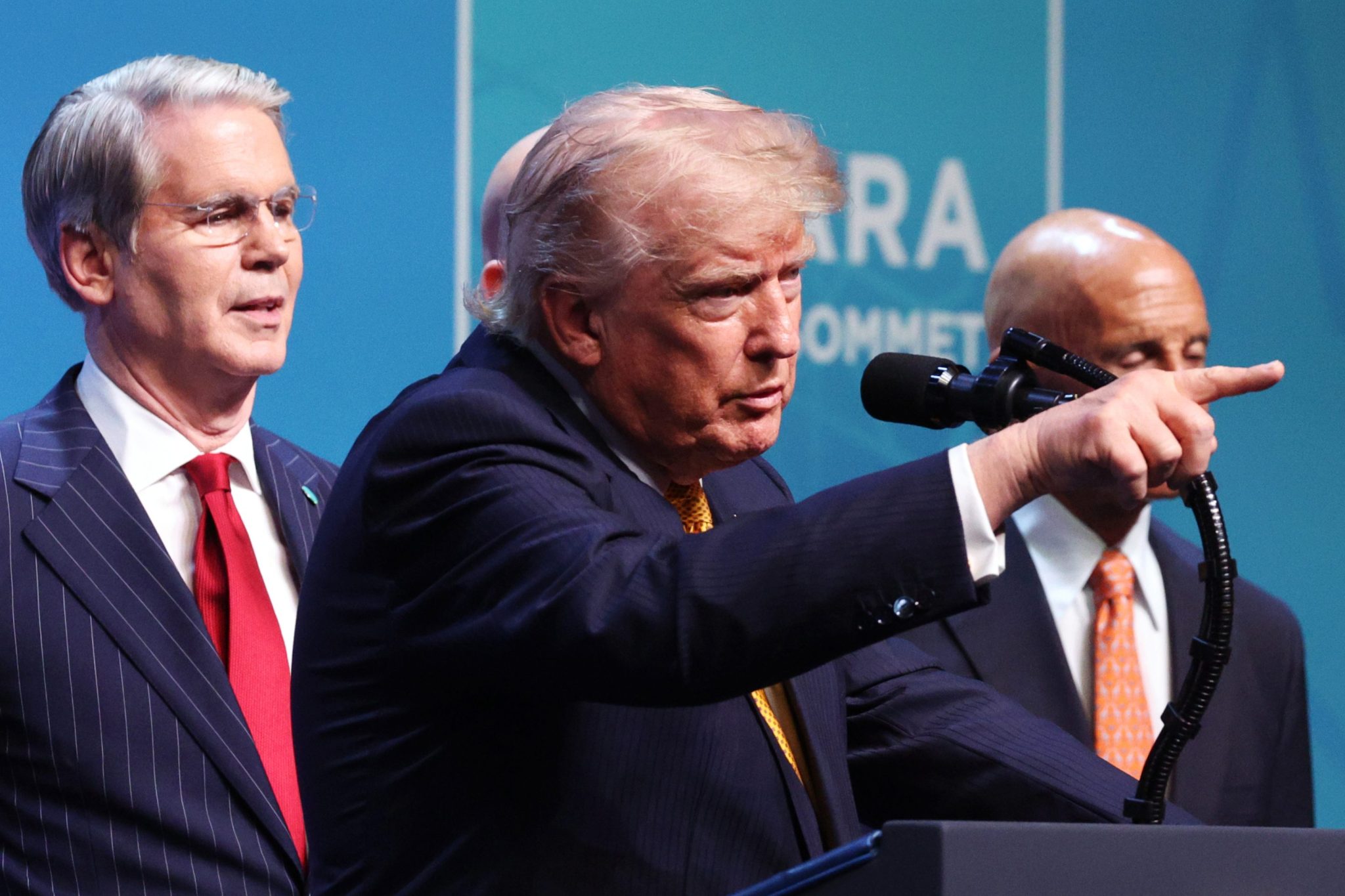
In March, after the Supreme Court overturned President Trump's tariffs under the International Emergency Economic Powers Act (IEEPA), the U.S. Trade Representative Jamie Greer proposed that the companies receiving the refunded taxes should give the money to their employees as bonuses or raises. Some companies have followed Greer's advice.
For instance, Williams Sonoma, a houseware brand, allocated $10 million for 401(k) payments to eligible employees and CEO Laura Alber expressed gratitude for the money. TJX, which received $331 million in refunds, plans to invest a portion in extra compensation for its employees. This move to return the refunds to workers follows the precedent set by some major consumer brands like Walmart and FedEx, who have offered refunds to consumers in response to tariff-related inflation.
According to Alex Durante, a senior economist at the Tax Foundation, companies have various ways to adjust to tariffs, such as reducing investments or hiring. However, the decision to return funds to workers may indicate the long-term impact of tariffs on U.S. companies. Trump's tariffs were initially implemented to revive domestic manufacturing jobs, but the opposite happened, with U.S. manufacturing jobs shrinking by over 100,000 in the first year of Trump's second term.
The uncertainty surrounding supply chains and high tariffs may have contributed to this decline, making it difficult for businesses and individuals to make decisions. Additionally, tariffs could have suppressed wage growth, as companies cut raises to maintain their margins. The tariffs may also have indirectly affected employees' retirement plans, with lower stock prices potentially leading to reduced returns for workers who have invested in the markets.
Written by urgent.news from Fortune's reporting — not their text. Machine-written — may contain errors; check the original before relying on it.