The simple movement you shouldn’t give up as you get older: ‘Asian squat’
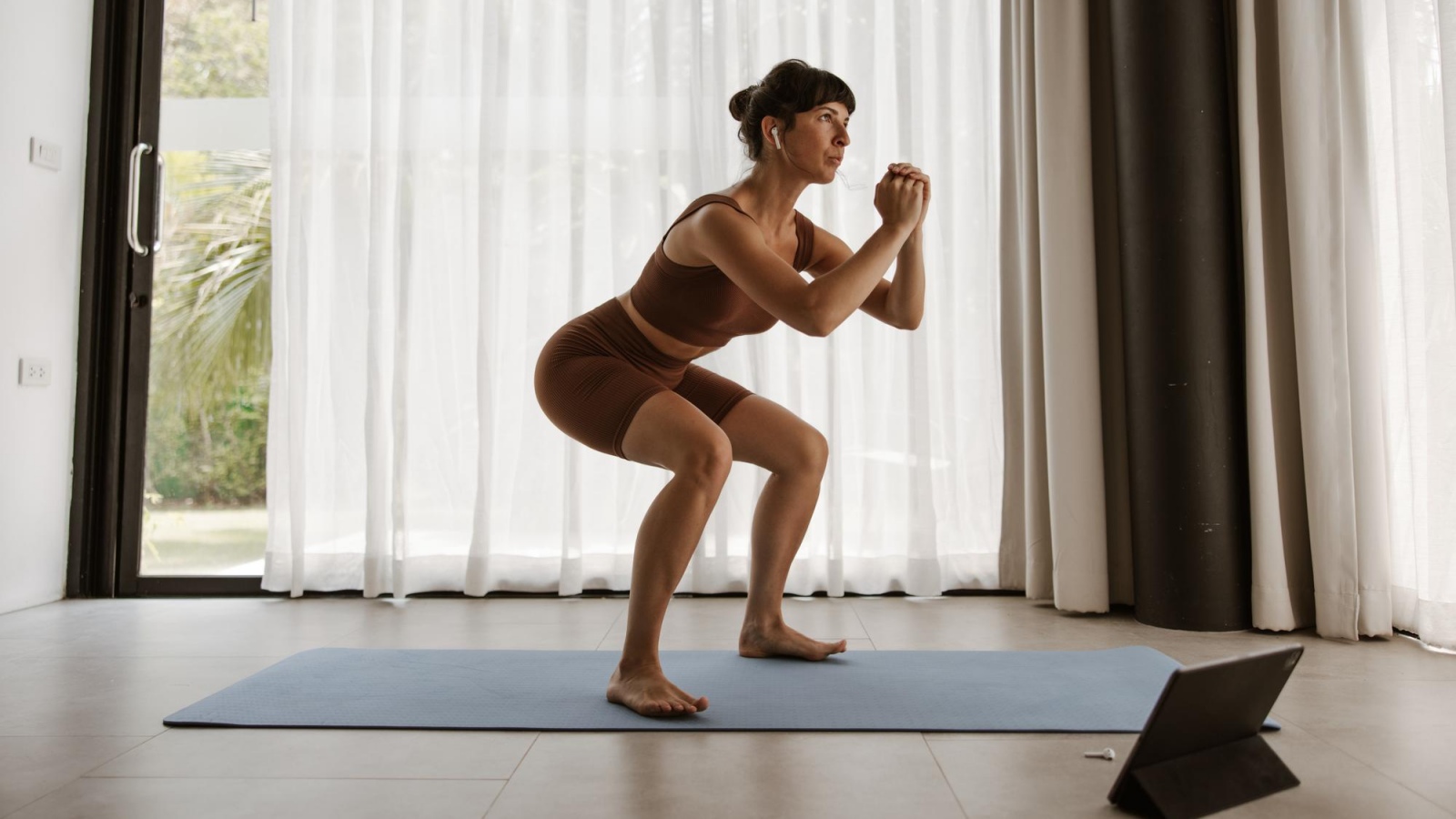
As we age, certain movements that were once simple and natural can become more challenging. Nutritionist Dr. Amy Shah has highlighted the significance of the deep squat, also known as the "Asian" squat, in maintaining this functionality. This deep squat involves sitting low to the ground with the feet flat on the floor. Dr. Shah explains that this posture is traditionally used for resting and in squat toilets, and it offers benefits such as joint flexibility, better posture, lower-body flexibility, and balance.
As we get older, it becomes increasingly important to maintain the ability to rise from a seated position on the floor, as it is a marker of everyday independence. However, while regularly practicing deep squats may help preserve physical function, it is not the exercise itself that prolongs life. Maintaining the mobility and strength required for such movements supports healthy aging.
Dr. Mrinal Prakash, an orthopedic surgeon, emphasizes that being able to perform a deep squat reflects a combination of hip, knee, ankle mobility, lower-body strength, balance, and coordination. These deep squats engage the quadriceps, gluteal muscles, and core while requiring the hips, knees, and ankles to move through a wide range of motion.
As we age, regularly practicing movements involving sitting, standing, and changing levels can help maintain functional strength. However, these movements are not just about exercise. Being able to get up from the floor after sitting can be an important indicator of how comfortably someone can perform everyday activities. Dr. Prakash cautions against attributing longevity to deep squats alone, stating that the deep squat is not a magic exercise for longevity.
Instead, preserving the mobility and strength necessary for these movements can contribute to healthy aging. If one stops performing movements like sitting on the floor and getting up, the body tends to adapt to the movements it performs regularly, leading to stiffness and reduced mobility. Muscles may lose strength in positions not routinely used.
While avoiding deep squats alone does not cause age-related stiffness, factors such as age, previous injuries, arthritis, body weight, muscle strength, and overall physical activity can all impact mobility. Deep squats may be safe for many people with adequate mobility, strength, and control, but they are not essential for everyone.
Those with significant knee or hip arthritis, recent surgery, ligament injuries, severe pain, or balance problems should avoid forcing themselves into the deepest possible squat. Instead, they should focus on a pain-free range, good technique, and gradual progression. For those unable to perform a deep squat, alternative exercises like controlled chair squats, supported squats, and supervised floor-to-standing movements can help maintain strength, mobility, and confidence.
Written by urgent.news from The Indian Express - Lifestyle's reporting — not their text. Machine-written — may contain errors; check the original before relying on it.