A New Headset to Help With Depression Is Now Available in the US
The device made by Flow Neuroscience is approved by the FDA and could help people get off antidepressants—but it costs $2,200.
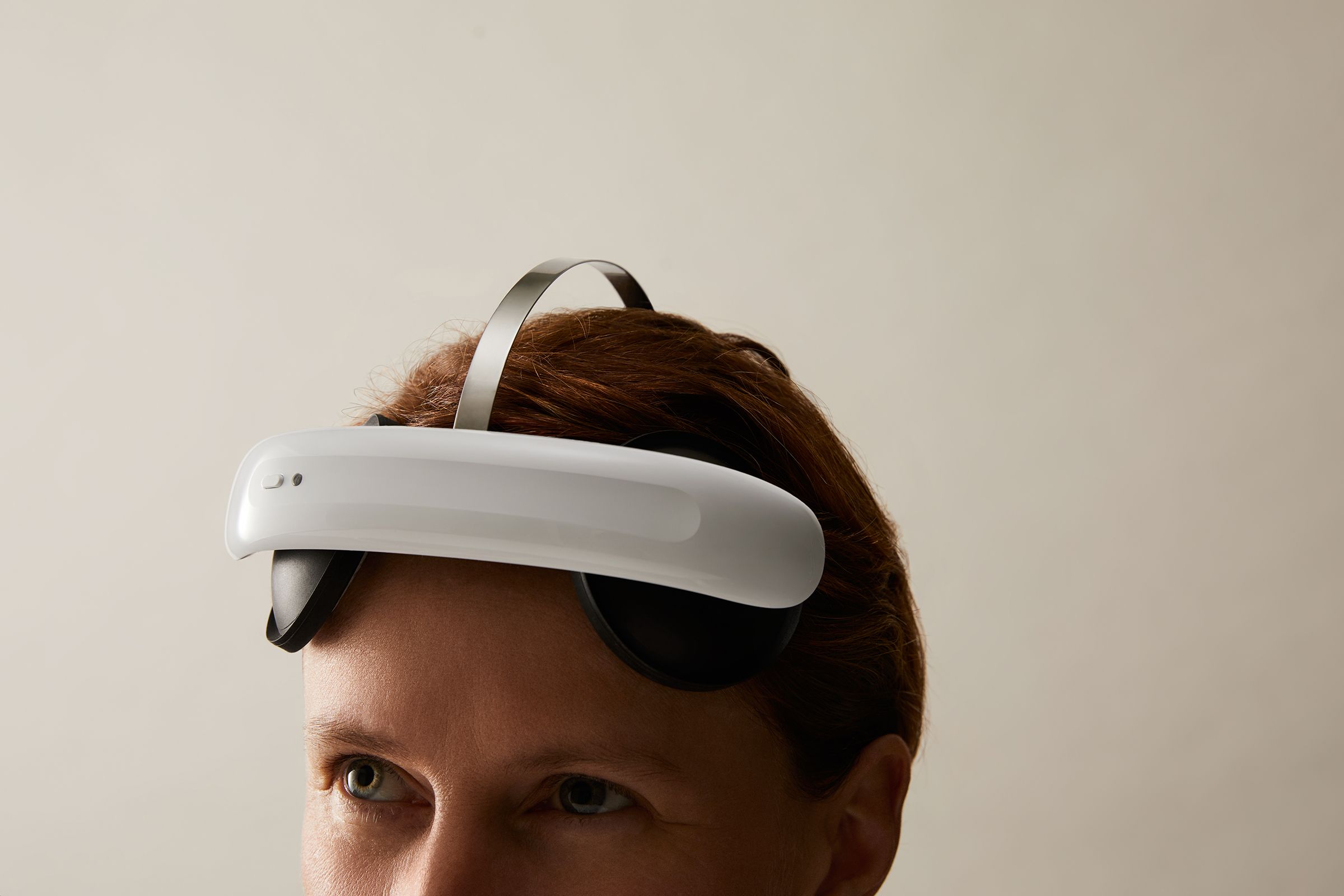
A new headset designed to help individuals with depression is now available in the United States, marking a shift towards alternative treatments for the condition. Swedish company Flow Neuroscience has introduced this device, which operates by delivering low-intensity electrical stimulation to the frontal lobe of the brain, a region associated with mood regulation and emotional processing. The device is worn on the forehead for 30 minutes daily and controlled through an accompanying app.
The Flow headset received FDA approval in December, positioning it as part of a growing category of wearable technologies aimed at monitoring, recording from, or stimulating brain activity. Competitors include Cognixion, which has adapted the Apple Vision Pro to assist paralyzed individuals through a communication system that doesn't rely on speech or motor functions, and Muse, a headband aimed at enhancing meditation practices. Elemind offers a device intended to facilitate faster sleep onset.
While the Flow device's approach mirrors that of transcranial magnetic stimulation (TMS), another FDA-approved depression treatment, it offers a more accessible alternative. TMS sessions, typically administered in a clinical setting, involve magnetic field exposure and often require a series of weekly treatments over several weeks, amounting to potential costs exceeding $15,000 without insurance coverage.
In contrast, Flow CEO Daniel Månsson, formerly a clinical psychologist, aimed to create a more convenient and cost-effective solution for patients.
A clinical trial involving 174 individuals with major depressive disorder revealed that 45% of those using the Flow device achieved symptom remission within 10 weeks, compared to 22% of participants in a control group receiving a sham treatment. The trial included individuals already on antidepressants and those not currently using medication, indicating the device's potential to complement existing treatments under medical guidance.
Reported side effects were relatively minor, encompassing skin irritation, headaches, and difficulties with concentration.
In Europe, where the device has been approved since 2019, more than 65,000 users have adopted the Flow headset. The UK's National Health Service is piloting the technology. In the United States, patients can obtain a prescription for the headset either through in-person consultations with a clinician or via telehealth services. However, currently, patients must bear the full cost of $2,200 for a 10-week treatment period, followed by a monthly fee of $325, significantly higher than the typical cost of standard antidepressants, which are generally covered by insurance.
Månsson expresses optimism about the potential for nonchemical remedies and notes that many patients would prefer alternative treatments to long-term drug use. Vinod Khosla, a prominent venture capitalist and early Flow investor, shares this perspective, asserting that a non-pharmaceutical approach to depression treatment is likely to become the norm.
Written by urgent.news from Wired's reporting — not their text. Machine-written — may contain errors; check the original before relying on it.
This story
This is one outlet's version. Read the fullest account.