The Parthenon’s architectural illusions are a myth
Optical illusions thought to have influenced the design of the Parthenon in ancient Greece are not backed up by evidence or are too small to have an effect
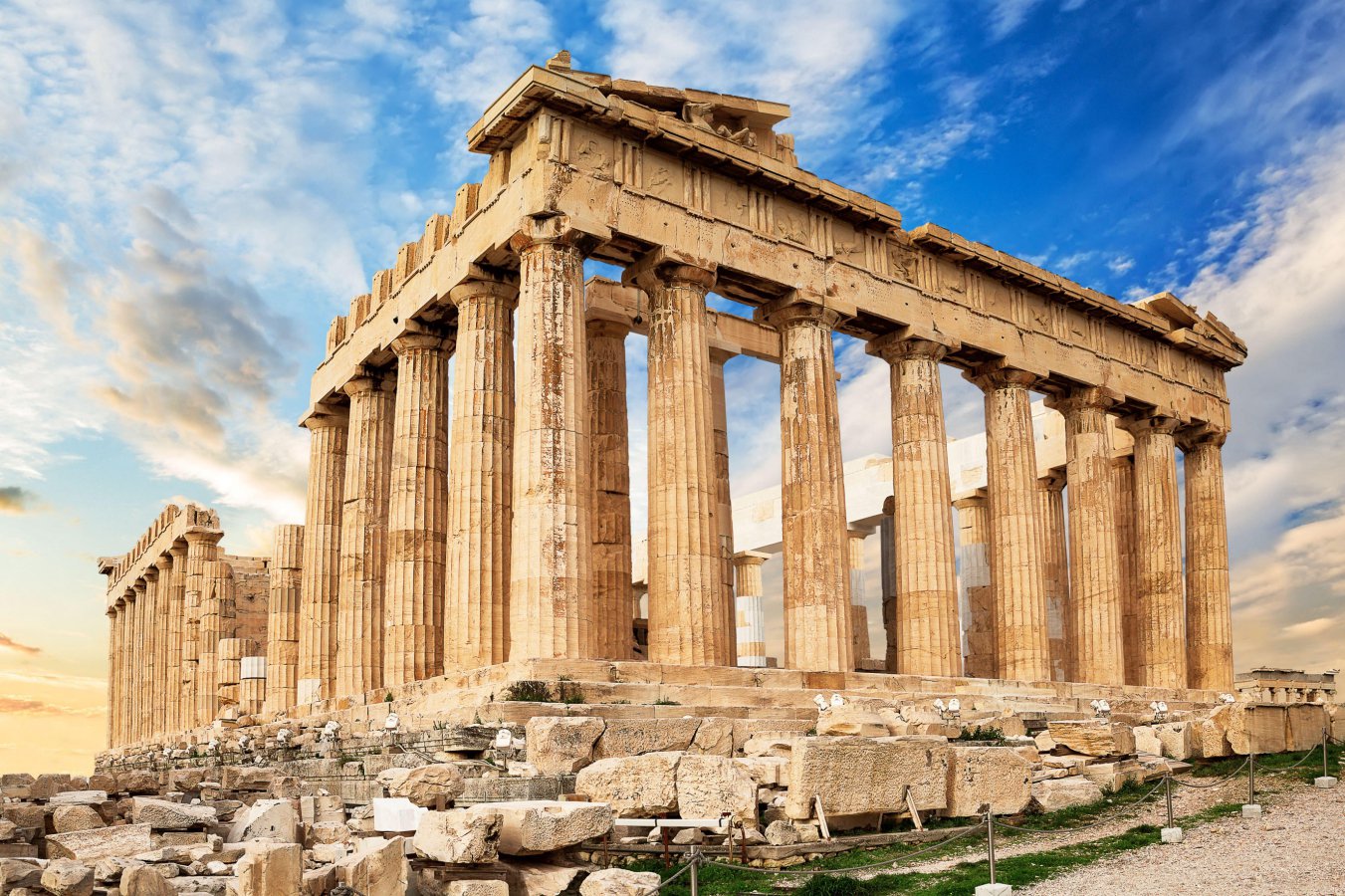
Ancient Greek architects allegedly designed the Parthenon in Athens with curved lines to create a straight appearance, but this optical illusion theory is debunked by a mathematician. The massive temple, constructed in the 5th century BC, is famous for its lack of straight lines or right angles, despite appearing straight to the eye.
The mathematician, Alain Goriely from the University of Oxford, examined 12 proposed optical corrections and found insufficient evidence or too minimal effects to support these illusions. One of the most prominent claims is that the upward curve in the middle of horizontal elements helps prevent the structure from appearing saggy, but this too lacks substantiation.
Goriely suggests that the slight gradients might have been intended for water drainage, avoiding puddles, a theory previously dismissed. Other alleged illusions include columns with middle bulges to avoid looking pinched and thicker corner columns to counter stronger light, but these have not been scientifically validated either.
The curvature of the Parthenon may be attributed to the slope of the platform on which it was built, rather than an intentional optical correction. Ancient Greeks were aware of visual illusions, but there's no evidence they built the Parthenon to counteract these illusions, as the myths have persisted due to their captivating nature, just like disproven theories such as the golden ratio.
Written by urgent.news from New Scientist's reporting — not their text. Machine-written — may contain errors; check the original before relying on it.