The government’s 7.8 per cent growth number may be accurate. Why doesn’t it feel right?
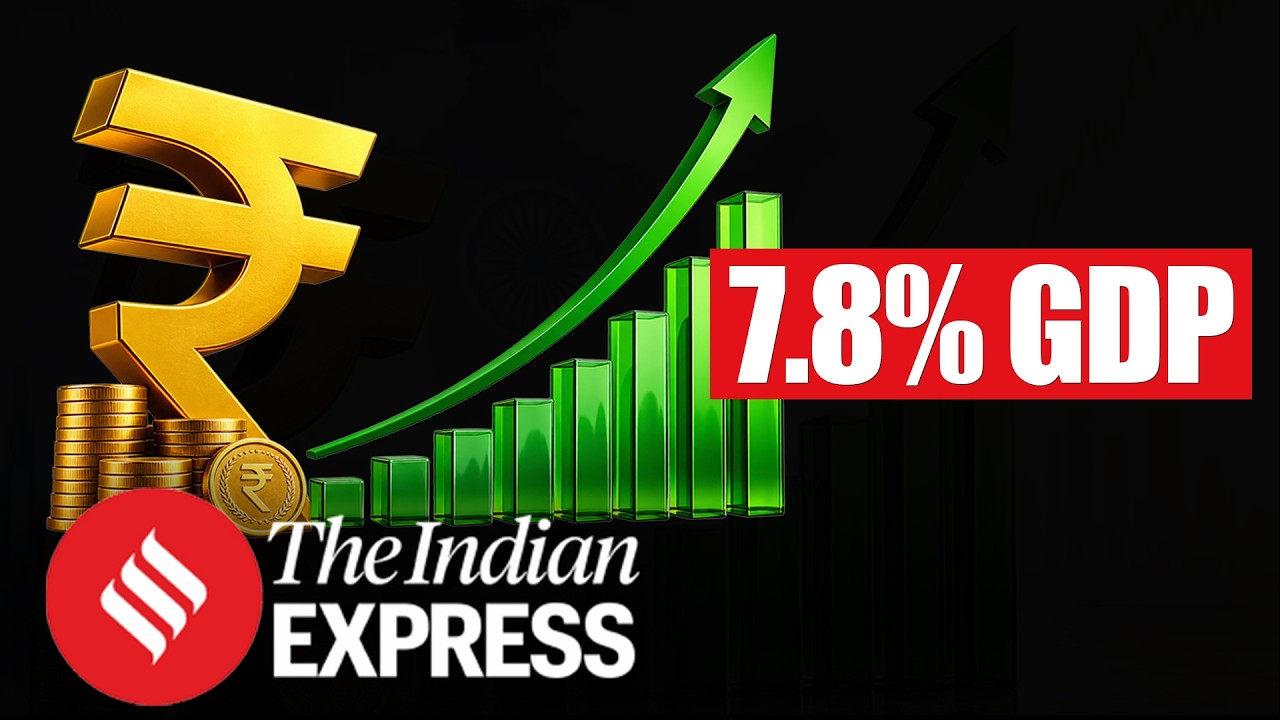
The latest GDP report has sparked debate in Indian policy circles over the 7.8% growth figure for the first quarter. While some celebrate it, others question the veracity of the data and if it truly reflects the real economy. Experts argue that high growth rates do not always translate to tangible benefits for citizens. High growth in GDP can coincide with worsening living standards for many, highlighting the importance of household incomes, consumption, and economic security.
While the government points to rising labor force participation as proof of job creation, many of these jobs are self-employment driven by rural distress. In recent years, the share of workers in agriculture has increased, a concerning trend in a developing economy where development typically means workers moving out of low-productivity farming.
Real wages have weakened despite corporate profitability surging, with private corporate investment lagging behind record profits. Consumption has weakened, with two-wheeler and passenger vehicle sales growth slowing significantly. Investment rates remain below their peak during the UPA era, with private investment showing less exuberance than profit records suggest.
If growth truly benefits the majority, we should see improvements in household incomes, real wages, consumer confidence, and workforce participation in non-agricultural sectors. Until these indicators improve, the high growth figure remains disputed.
Written by urgent.news from The Indian Express's reporting — not their text. Machine-written — may contain errors; check the original before relying on it.