The Calle del Pico: Barranquilla’s New Cultural Heritage
Barranquilla has added a new space to its cultural map with the restoration of the so-called Calle del Pico, a site located at Calle 30 and Carrera 22 in the Rebolo neighborhood that seeks to turn the pico tradition into a cultural experience for residents and visitors. The project restored an alley and transformed it […]
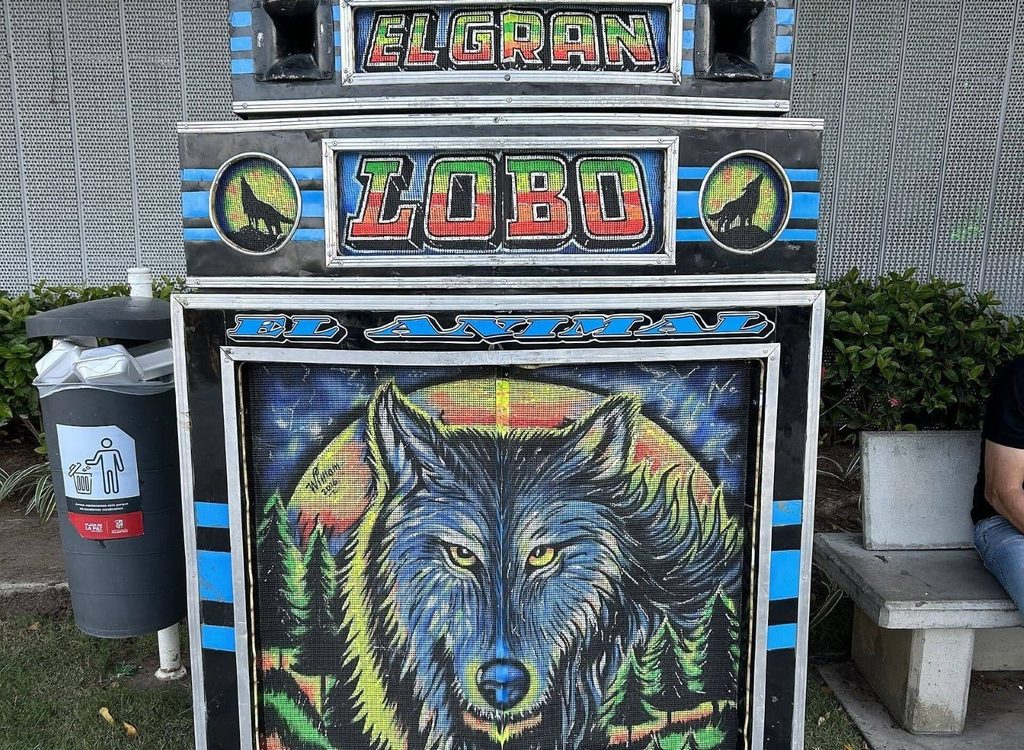
Barranquilla, Colombia has unveiled a new cultural heritage site: Calle del Pico, an open-air museum transforming the pico tradition into a vibrant cultural experience for residents and visitors. The project, located at Calle 30 and Carrera 22 in the Rebolo neighborhood, aims to preserve and showcase the city's rich musical and festive heritage.
Calle del Pico, an alley previously overlooked, has been restored and turned into an open-air museum featuring visual elements that evoke figures, musical groups, and places connected to the city's popular history. Among the iconic names honored are singer Nelson Pinedo, María Moñitos, and popular cumbia groups like El Gallo Giro and La Revoltosa, as well as the former Estadero La Cien.
The initiative seeks to recognize the pico tradition, which has been central to street parties, community gatherings, and popular celebrations in Barranquilla for decades. The pico, initially a device used to play music, has evolved into a symbol of neighborhood identity, bringing together music, painting, celebration, memory, and history.
One of the main attractions of Calle del Pico is its visual concept, a unique blend of images and representations that tell the story of Barranquilla's cultural history. The space aims to educate visitors about the origins of pico culture and its influence on the city's musical and festive traditions.
The project also addresses the need expressed by members of the pico community for a dedicated space to learn about the tradition's roots and its impact on Barranquilla's cultural life. Moreover, Calle del Pico has a tourism component, potentially attracting visitors interested in exploring the city's less conventional side, deeply rooted in its neighborhoods and popular culture.
As a testament to the tradition's evolution, picos have moved beyond their African music origins to incorporate elements of salsa, coastal Colombian music, and vallenato. The visual dimension of picos, with their striking wooden structures, massive speakers, and vividly painted designs, has given rise to picotero art, making each pico a distinctive piece of popular culture.
Written by urgent.news from Colombia One's reporting — not their text. Machine-written — may contain errors; check the original before relying on it.