SHS placement crisis deepens as Catholic Bishops demand probe into ‘protocol’ admissions
The Ghana Catholic Bishops’ Conference has called for a full review of Ghana’s senior high school placement system, demanding transparency over alleged “protocol” admissions into sought-after schools.
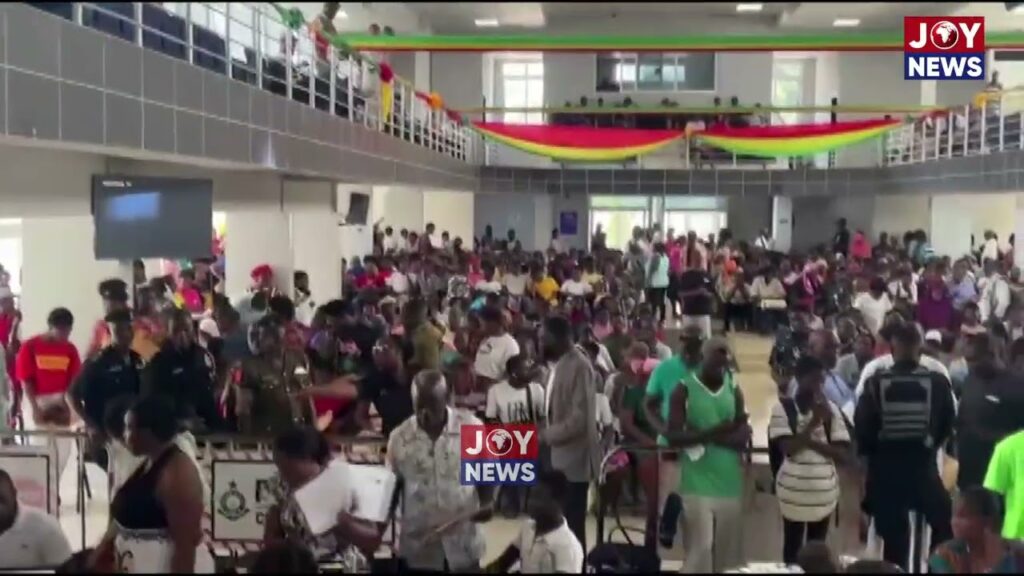
The Ghana Catholic Bishops’ Conference has called for a comprehensive investigation into Ghana’s senior high school placement system, alleging the existence of "protocol" admissions into popular institutions. The Bishops demand transparency over the legal foundation supporting discretionary admissions, the number of available places, the selection criteria, and the entities responsible for the process.
They expressed deep concern over the Computerised School Selection and Placement System, fearing it could erode public trust in the fairness of admissions. The Bishops specifically criticised allegations that parents are compelled to pay money to secure spots for their children, asserting that if placement is free, no public official, agent, or intermediary should solicit or accept financial contributions.
They called for the alleged practices to be thoroughly investigated, with those found responsible facing disciplinary actions and, where appropriate, criminal charges. However, the Bishops urged caution against tarnishing the reputations of honest public servants based on unproven allegations. Additionally, they sought urgent clarification on the practice of "protocol" admissions, emphasizing that if places in popular schools are reserved through discretionary arrangements, the public deserves to know the legal basis, the number of places involved, the criteria applied, and the individuals accountable.
The Conference emphasized that the placement system must not foster the perception that money, connections, or influence can secure opportunities unavailable to equally qualified students. They noted that 604,567 candidates qualified for placement this year, with 527,932 successfully placed upon the release of results. The Bishops acknowledged that placement decisions hinge on factors such as academic performance, programme choice, boarding or day preference, and available spaces.
Nevertheless, they stressed that the outcomes should be comprehensible and demonstrably equitable. The Conference also raised concerns over students allegedly being placed in schools unsuitable for their gender, disability, circumstances, or location. They called for prompt resolution of genuine placement errors through accessible channels, emphasizing the need for priority attention to cases involving disability, medical requirements, and significant distance challenges.
The Bishops further advocated for the placement system to undergo examination by independent technical experts, with the principal findings made publicly available. They called for families to have a clear understanding of the key factors determining placement, including examination scores, selected programmes, relevant cut-offs or rankings, and available spaces.
They proposed a more robust appeals process with defined procedures and time limits. Beyond the placement system, the Bishops reiterated their call for the overdue agreement between the government and Churches on the management of mission schools to be finalized. They reaffirmed their decision to set aside 20% of annual admissions to Catholic mission schools for Catholic candidates.
The Bishops instructed the National Catholic Secretariat’s education office to prepare a clear plan for implementing this decision across their schools without delay. They insisted that any such arrangement must be transparent, subject to annual audits, and strictly prohibit any exchange of money. The ultimate objective, they stated, should be a placement system where "merit, choice, fairness, and above all, the well-being of the child determine who is admitted where."
Written by urgent.news from MyJoyOnline Ghana's reporting — not their text. Machine-written — may contain errors; check the original before relying on it.