Research Finds that Colombian Deer Has More Lineages than Previously Believed
Perhaps the most striking name by which the white-tailed deer (Odocoileus goudotii) is known in Colombia is the one given to it in the department of Boyaca: spirit of the paramo. In this part of the country, it inhabits paramo and high Andean forest areas, especially in the Siscunsi-Oceta (Mongua, Mongui, Sogamoso and Aquitania), Cortadera […]
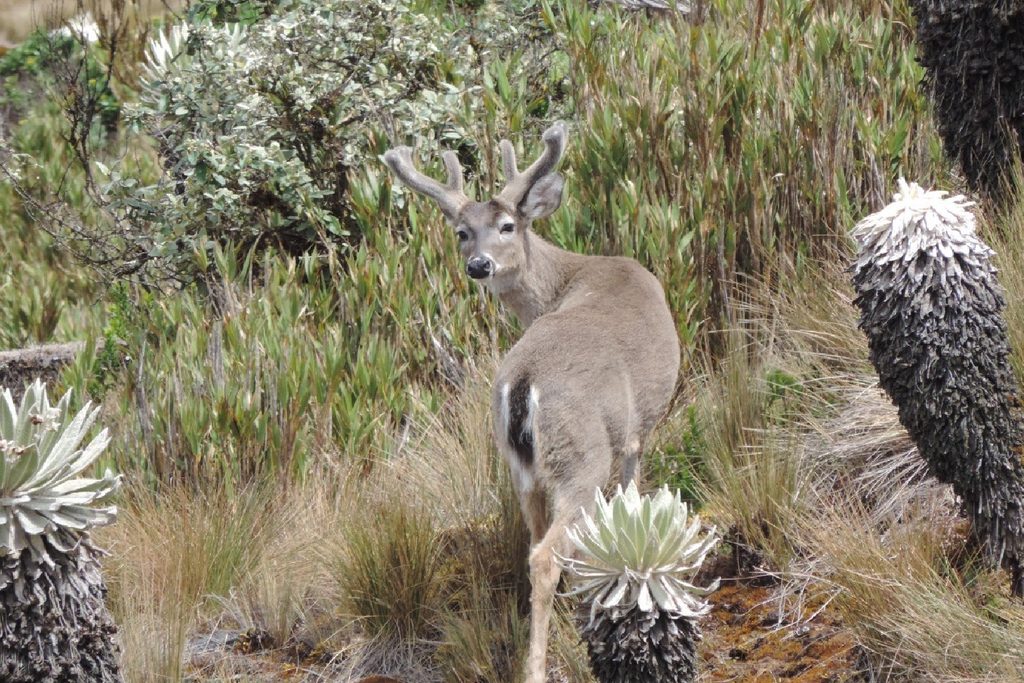
White-tailed deer (Odocoileus goudotii), a keystone species found across diverse Colombian landscapes, from high paramos to tropical lowlands, now appears to possess a greater genetic diversity than previously recognized. Until recently, scientists believed this species held few genetic lineages. However, a recent research effort has revealed at least four distinct lineages, adding crucial information to conservation efforts.
Led by UNAL master's student Jessica Rodriguez Leon, the study analyzed museum skins, zoo animal blood samples, and field-collected tissues. She adeptly managed fragmented DNA and preservation residue using custom-designed primers. Comparing Colombian deer DNA with specimens from other Latin American countries, Rodriguez identified phylogenetic relationships and kinship networks, overcoming the uncertainty that subspecies boundaries don't always match genetic groupings.
The analyses reveal that geographic barriers, like those between the paramos and the Andean region, contribute to the formation of these different lineages. Specifically, deer in the paramo have gray coats (O. v. goudotii), while those in the eastern cordillera and southern Andean regions sport distinct genetic variations. Lowland populations display ochre-yellowish coloring (O. v. gymnotis), while Pacific coast inhabitants present a unique genetic profile (O. v. tropicalis).
Of these four, only one is classified as "least concern," with the others holding insufficient data or being critically endangered.
Threats to these subspecies mirror broader Colombian wildlife challenges: habitat loss, hunting, and illegal trade in body parts. Despite this, the research suggests that Colombia's white-tailed deer population, with its impressive genetic variety, serves as a "biological insurance" - offering resilience against diseases, drought, or environmental shifts. This discovery, still emerging, underscores the importance of further research and targeted conservation measures.
Written by urgent.news from Colombia One's reporting — not their text. Machine-written — may contain errors; check the original before relying on it.