Raumfahrt: Wie Satellit „Flex“ Stress von Pflanzen sichtbar machen soll
Hitze, Verschmutzung, Krankheiten: Pflanzen sind immer wieder großem Stress ausgesetzt. Wie gesund sie sind, könnte ein schwaches Signal zeigen. Genau dieses will ein Satellit nun sichtbar machen.
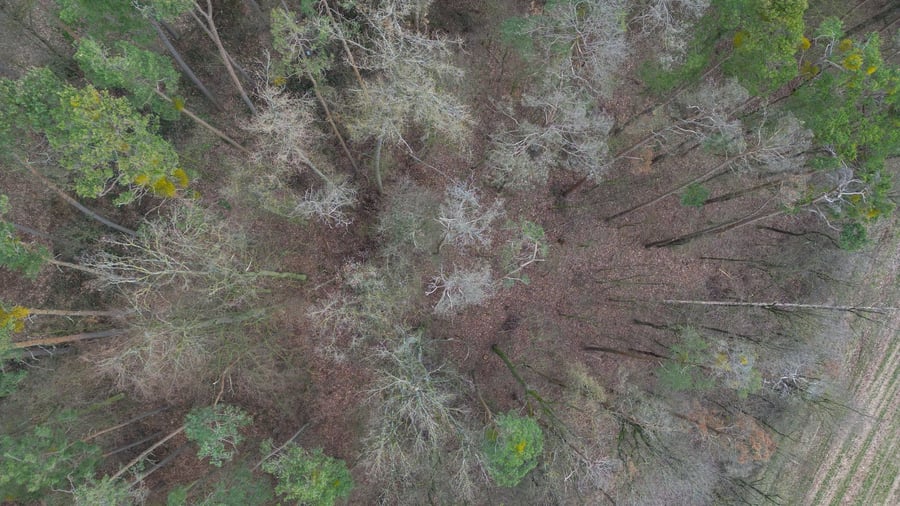
A new European satellite mission, named "Flex," has launched into space to observe and understand plant stress on Earth. The satellite, which was sent into orbit by a Vega-C rocket from the European spaceport in Kourou, French Guiana, is designed to study the photosynthesis of plants and how it is affected by environmental factors such as drought, nutrient deficiency, and disease.
"Flex" measures the chlorophyll fluorescence emitted by plants during photosynthesis, a phenomenon that is invisible to the naked eye but can be detected using the satellite's sensitive spectrometer. This fluorescence is a byproduct of the molecules that initiate photosynthesis, and it can be an indicator of stress in plants even before they show visible signs of distress.
Unlike wilting leaves, which may only become apparent after days or weeks of stress, the fluorescence signal can reveal changes in plant health immediately. However, interpreting this signal can be complex, as it varies depending on the duration and intensity of the stress. To gain a more comprehensive understanding of photosynthesis, "Flex" also collects data from its companion satellite, "Sentinel-3C," such as surface temperature.
The satellite is programmed to orbit the Earth 14 times a day, with each spot on the planet being revisited approximately every 27 days. Over the course of three years, "Flex" aims to create a detailed image of how various factors impact plant health, which could potentially help in understanding why some plants are struggling under changing climate conditions.
Written by urgent.news from Handelsblatt's reporting — not their text. Machine-written — may contain errors; check the original before relying on it.