Oil markets survived the Iran war sprint. Now comes the marathon
The Iran war is no longer a short-lived energy supply shock, but a prolonged, unpredictable test of global economic endurance.
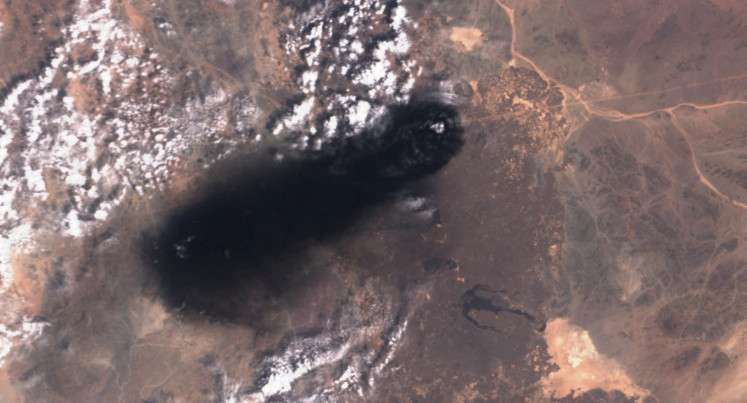
The Iran conflict is no longer a brief energy supply shock, but a long-term, unpredictable test of global economic resilience. Recent developments, such as the Houthi expansion and drone attacks on a key Saudi oil pipeline, indicate that the situation is far from resolved. With crude oil prices back above $100 per barrel, markets are adjusting to a new and more volatile phase of the conflict.
The Houthis have recently tightened their grip on the Bab el-Mandeb Strait, which could restrict shipping and cause further disruptions to oil exports. Meanwhile, the Saudi East-West oil pipeline has been temporarily shut down due to drone attacks, reducing West Coast exports by nearly half. This has led to lower global oil supplies and the lowest levels for the world's largest oil exporter in over three decades.
While Saudi Arabia can temporarily rely on stored crude to offset any pipeline interruptions, the situation is becoming increasingly precarious. Global oil stocks have fallen by 507 million barrels since the conflict began, and refined products like diesel and gasoline have seen significant declines in exports from the region. This has resulted in acute fuel shortages and record-high prices.
As the conflict drags on, both Iran and the United States face competing pressures, and it remains uncertain whether fighting will continue or if negotiations will be initiated.
Written by urgent.news from The Jakarta Post's reporting — not their text. Machine-written — may contain errors; check the original before relying on it.