Oil crisis deepens: Hormuz traffic collapses to four vessels, Iran rejects talks
Just four vessels cross Hormuz as oil crisis deepens
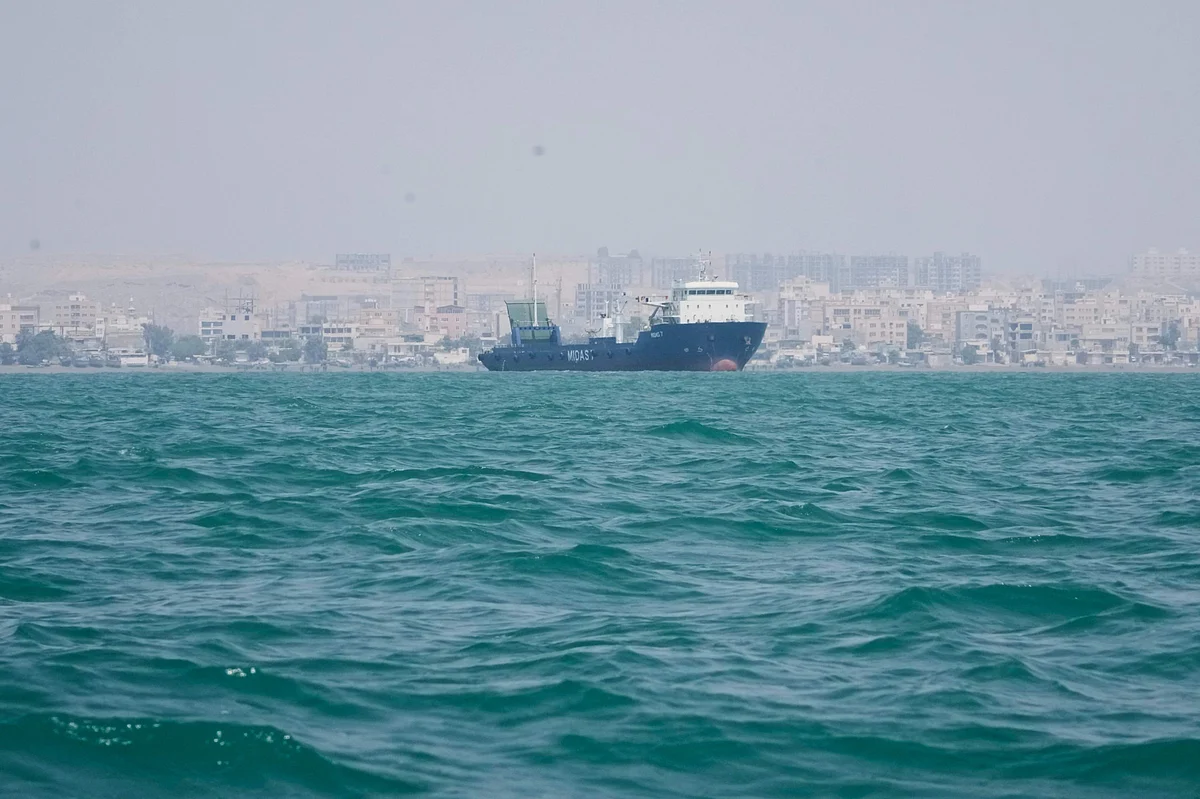
The Strait of Hormuz's traffic has plummeted to just four commercial vessels daily due to increased assaults, with Iran refusing to engage in talks with the United States, escalating the crisis centered around controlling global energy pathways. According to preliminary Kpler data reported by Reuters, only four commercial vessels passed through Hormuz on Monday, down from 10 on Sunday and significantly below the typical 120 vessels per day before the war.
Two dry-bulk carriers exited the strait, with one carrying cargo and another traveling in ballast, while two empty oil tankers entered. The data exclude vessels with their tracking transponders turned off. Oil prices surged by over 2% on Tuesday, reaching $108.18 per barrel for Brent crude and $103.85 per barrel for US West Texas Intermediate (WTI).
The US West Coast saw average diesel prices reach a record $6.2694 per gallon, up from $3.7577 at the start of the US-Iran war, highlighting the severe disruption of one of the world's most crucial energy corridors. Despite US President Donald Trump's claim that oil flows through the Hormuz Strait, the current shipping figures show the flow remains limited.
Trump dismissed Iran's offer for negotiations, as attacks intensified, including drone strikes on fishing boats near Iran's Larak Island and the Panama-flagged tanker EL GAIA, which has been struck twice. Iran rejected the possibility of renewed negotiations with the US, demanding conditions such as war reparations and sanctions relief before ending the conflict.
The combination of reduced shipping traffic and Iran's refusal to negotiate suggests that Iran continues to leverage pressure on the strait as a significant bargaining chip in the ongoing conflict.
Written by urgent.news from Gulf News's reporting — not their text. Machine-written — may contain errors; check the original before relying on it.