Nepal Cannot Stop the Floods. It Can Stop Them From Becoming Disasters.
Glaciers will continue melting and people will not abandon the Himalayas. The task is to find ways of living there more safely.
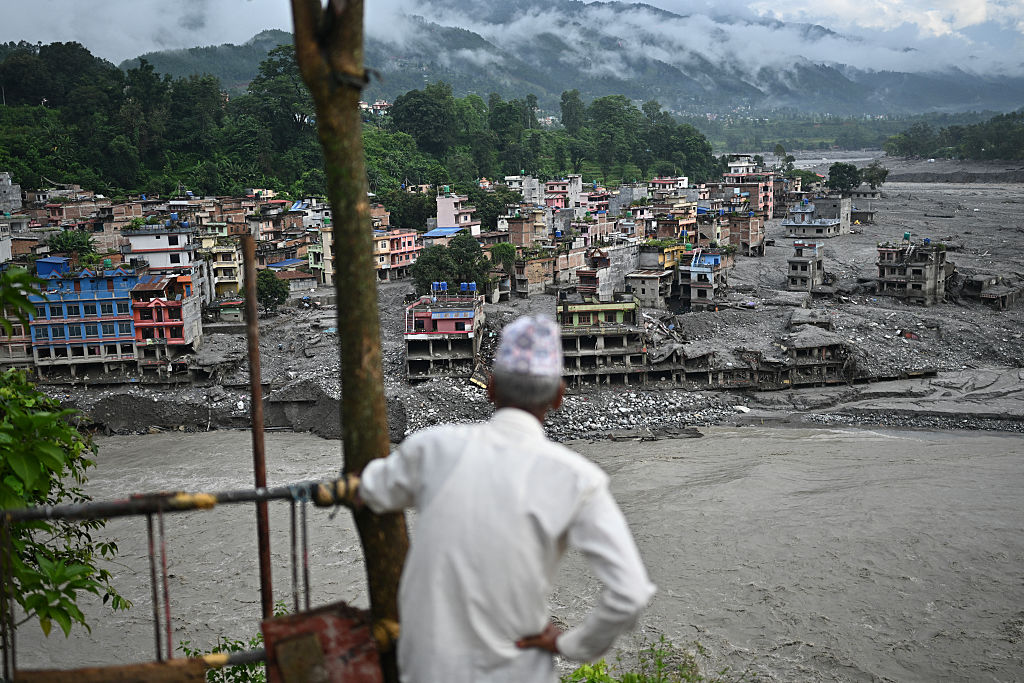
On September 7, 2026, flood devastation was evident in Nepal's Nuwakot district, particularly in Trishuli. The flood claimed 1,386 lives, leaving an estimated 5,000 people missing. The destruction extended to bridges, hydropower facilities, and entire communities. Nepal has long experienced deadly flash floods due to the Himalayas' unique geography, particularly the Trishuli River basin.
The June 2025 flood in Nepal and Tibet was similar, though different, to previous events. Global warming and glacial melt contribute to these disasters, but human factors play a significant role. Climate change may accelerate permafrost thawing, leading to landslides. Meanwhile, in India's northeastern states, heavy rains and multiple flash floods occurred between June and August, with limited evidence of human-induced climate change.
Unplanned urbanization, deforestation, and infrastructure disruptions compounded the impact. In Nepal, unregulated industries, like riverbed mining and soil dumping, worsened the situation. The flood's destructive power stemmed from the presence of people, homes, livelihoods, and farmland in its path. The tourism industry also plays a role, with most of Nepal's economy reliant on low-cost mass tourism.
However, researchers suggest shifting towards higher-value, eco-friendly tourism. This change would require altering infrastructure, businesses, and reputation. Regardless, floods will continue to pose a significant threat, requiring Nepal and other Himalayan regions to rethink their approach to disaster risk reduction.
Written by urgent.news from Time's reporting — not their text. Machine-written — may contain errors; check the original before relying on it.