Mysteriöser Schwund in Berlin: Das Tschilpen verstummt - Spatzen „wie in Luft aufgelöst“
Spatzen gehören zu den beliebtesten Vögeln - und wohnen wegen vieler schmuddeliger Ecken besonders gern in Berlin. Bei den gefiederten Wonneproppen liegt etwas böse im Argen: Sie verschwinden.
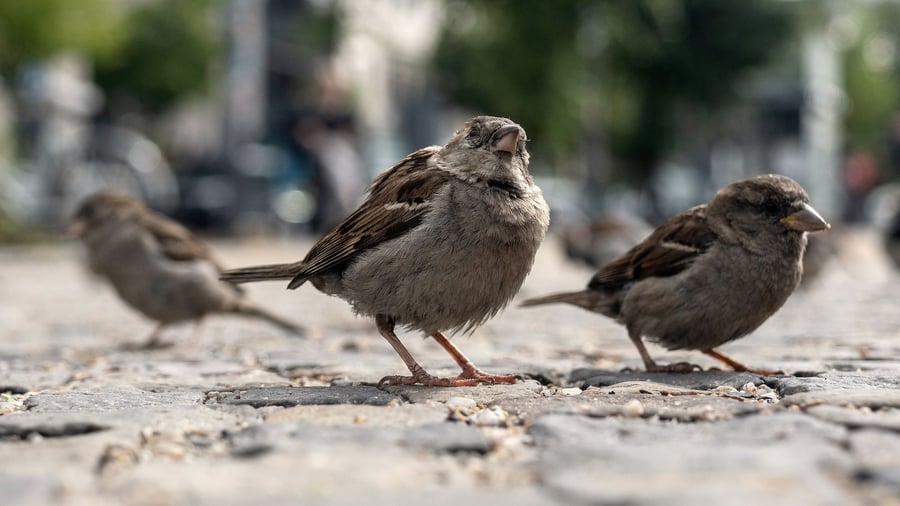
In the German capital of Berlin, a mysterious decline has been observed in the population of common sparrows, also known as Hausspunkel. Biologist Jörg Böhner has noticed a significant drop in the number of these birds over the past few years, with their population now being about 70 percent lower than in 2021. The Naturwacht Berlin (Nabu) has also reported a similar decline in sparrow populations based on their "Hour of Garden Birds" count.
Despite the concern, the cause of this decline remains unknown. It is possible that a disease such as bird malaria, caused by Plasmodium parasites, could be responsible. These parasites thrive in higher temperatures, with climate change aiding their spread. In London, a similar study found a link between Plasmodium infections and reduced sparrow survival rates.
However, other bird species are not experiencing a similar decline, suggesting that factors such as food scarcity or the lack of nesting sites are unlikely culprits. Nabu member Böhner explains that many suitable nesting sites remain empty. Unlike in other cities like Hamburg and Cologne, Berlin's sparrow population has not experienced a recent decline, as the city is less sterile and has more green spaces that are often left unmowed.
Additionally, leftover food and waste provide a valuable food source for these birds, which humans have unintentionally introduced to various parts of the world, including South America, South Africa, and Australia.
The House Sparrow is the most widespread wild bird globally, with the exception of Antarctica. It was introduced to the Americas in the 19th century to control insect populations and was associated with nostalgia for European cities in the streets of urban areas. The automobile played a role in the decline of sparrow numbers in the early 20th century, as it replaced horse-drawn carriages and reduced availability of grain-based food sources, which were often found in horse manure.
Modern city design, increased pollution, more predators like cats, and a dramatic decrease in insect populations are also considered potential factors in the urban sparrow decline. These factors, combined with the birds' strong social nature and lack of ability to move easily between nesting sites, have led to a worrying and somewhat enigmatic disappearance of this once common city dweller.
Written by urgent.news from Handelsblatt's reporting — not their text. Machine-written — may contain errors; check the original before relying on it.