Municipalities in R40.5bn Eskom debt programme breach payment conditions
Fifty municipalities failed to keep up payments to Eskom while no consequence-management action has been taken against officials or councillors.
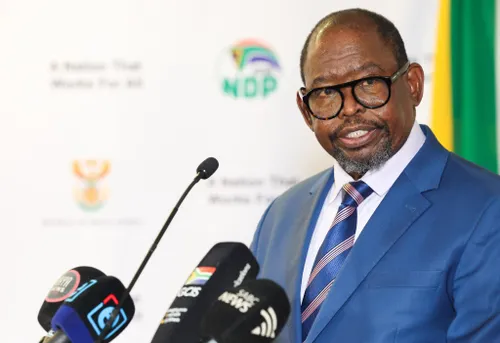
Finance Minister Enoch Godongwana has announced that 50 out of 71 municipalities involved in the Municipal Debt Relief Programme have not paid their current accounts to Eskom as of August 7, 2026. These municipalities owe Eskom a total of R40.5 billion in debt. In response to parliamentary questions, Godongwana explained that the defaulting municipalities were located in the Northern Cape, Mpumalanga, Free State, North West, KwaZulu-Natal, Gauteng, Eastern Cape, Limpopo, and Western Cape.
The reasons for non-compliance included financial mismanagement such as failing to approve cost-reflective tariffs, not billing consumers for rates and services, and inability to collect property rates and service charges in Eskom supply areas. The National Treasury introduced the Municipal Debt Relief Programme to help Eskom improve its balance sheet and facilitate the possibility of municipal debt write-off under strict conditions.
Of the 27 municipalities that received termination letters, seven were fully terminated, and 20 others committed to meeting the necessary requirements under the Electricity Regulation Act before concluding a service delivery agreement with Eskom. No specific consequence management measures have been taken against the municipal officials and political office-bearers responsible for non-compliance.
Written by urgent.news from IOL's reporting — not their text. Machine-written — may contain errors; check the original before relying on it.
This story
This is one outlet's version. Read the fullest account.