More than 100,000 people in Japan are now aged 100 or older
Figures show 88% of the centenarians are women as the population continues to age and shrink.
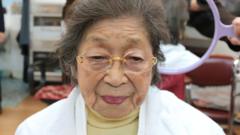
For the first time, Japan has seen more than 100,000 residents reach the age of 100 or older, according to the health ministry. The nation now boasts 107,677 centenarians, the highest count globally, with 88% of them being women. The oldest woman is Kishimoto Fuyo, a 114-year-old resident of Kyoto City, while the oldest man is Kato Hikaru, a 112-year-old from Kumamoto.
Health Minister Kenichiro Ueno expressed delight at the longevity and active lifestyles of many Japanese, attributing it to advancements in medicine and technology. However, Ueno also cautioned about the strain such a large elderly population may place on the country's social security system. Experts attribute Japan's extended lifespans to factors like a nutritious diet, active lifestyle, and a predominantly plant-based cuisine featuring fish, vegetables, and rice, which contains less saturated fat than many Western diets.
Older Japanese individuals typically engage in regular walking, public transportation use, cycling, and stretching exercises. Japan has been grappling with an aging population for years, and sales of adult diapers have consistently surpassed those for babies for over a decade. Companies have also developed innovative products catering to the older demographic, such as powered exoskeletons to aid in movement and glasses that automatically adjust focus.
To maintain population stability, each woman must have an average of 2.1 children. However, Japan's total fertility rate fell to a record low of 1.14 last year, and the nation's overall population is projected to decline to 87 million by 2070, a 30% reduction from its peak of 128 million in 2008, as per data from the National Institute of Population and Social Security Research.
Currently, residents aged 65 and above constitute around 30% of the population and are expected to comprise nearly 40% by 2070. Japanese authorities refer to this demographic shift as an "existential crisis," with Prime Minister Sanae Takichi describing it as a "quiet emergency." In 2025, Japan's total population experienced a decrease in all 47 prefectures, with two exceptions, and the rate of decline is accelerating.
Despite various government initiatives and subsidies aimed at encouraging higher birth rates, these efforts have not significantly increased the birth rate. Experts attribute the low birth rates to factors including declining marriage rates, increased workforce participation by women, and the rising costs associated with raising children.
While immigration has increased over the years, foreigners account for only about 3% of the population, and opposition to accepting more foreigners has grown. When Japan initiated its centenarian survey in 1963, there were just 153 individuals aged 100 or older. This number climbed to 1,000 by 1981 and reached 10,000 by 1998. The latest figures were published ahead of Japan's annual "Respect for the Aged" public holiday, during which the government sends personalized letters and traditional sake cups to residents turning 100.
Previous studies have questioned the accuracy of global centenarian statistics, citing potential data errors, unreliable public records, and missing birth certificates as contributing factors. A 2010 government audit of family registries in Japan revealed over 230,000 individuals listed as 100 or older who were unaccounted for, with some being deceased for decades.
These discrepancies were attributed to inconsistent record-keeping and suspicions of families attempting to conceal the deaths of elderly relatives to claim their pensions.
Written by urgent.news from KahawaTungu's reporting — not their text. Machine-written — may contain errors; check the original before relying on it.
Also reported by 1 other outlet
- More than 100,000 people in Japan are now aged 100 or older kahawatungu.com