Lockheed Martin reveals more about Vectis, its autonomous fighter jet designed to fly alongside the F-35
Lockheed's Skunk Works division announced that it is adding four vehicles to the original Vectis prototype. The company also unveiled a full-scale model at the Air, Space & Cyber Conference, offering a better look at what it hopes will become a flying teammate for human pilots. Read Entire Article
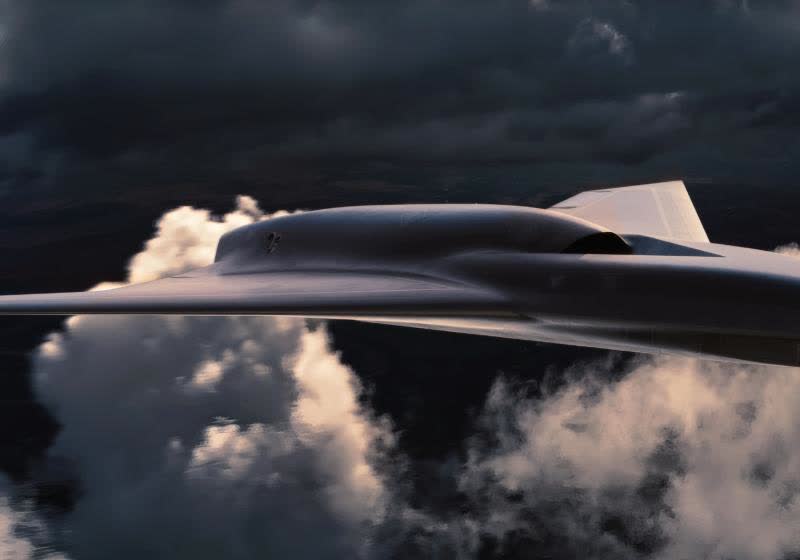
Lockheed Martin has unveiled additional details about Vectis, its autonomous fighter jet that aims to fly alongside the F-35. This sci-fi-like scenario of fighter pilots working alongside autonomous wingmen is becoming increasingly realistic. Skunk Works, Lockheed Martin's division, has expanded the program to five aircraft, with the target of the first prototype's maiden flight by the end of 2027. The company added four vehicles to the original Vectis prototype during an announcement at the Air, Space & Cyber Conference.
Vectis, a collaborative combat aircraft (CCA), is designed to perform precision strikes, electronic warfare, intelligence gathering, targeting, and air combat. It can operate independently or alongside crewed fighters like the F-35. Measuring approximately 34 feet long with a 38-foot wingspan, Vectis features a tailless design to reduce drag and improve range. Its recessed engine inlet on top helps avoid ingesting debris during takeoff from rough runways.
Pilots would direct Vectis using a touchscreen interface, such as a tablet, while ground stations could also control the aircraft. The aircraft will utilize Lockheed's MDCX autonomy command and control platform. Managing a robotic wingman may eventually become part of a fighter pilot's screen responsibilities. Skunk Works boss Ron Fehlen compared Vectis' assembly approach to ready-to-assemble furniture, with pre-positioned holes to help components line up, aiming to reduce labor and speed up production, though the cost savings are unknown.
Despite several milestones, specific details about the aircraft's price, customer, engine, and weapons loadout remain undisclosed by Lockheed Martin. The company has not disclosed any information on these aspects so far. Previous achievements include VISTA X-62A's AI-controlled flight for over 17 hours in December 2022, participation in simulated dogfights against human pilots in April 2024, and progress from the first drawing to wind-tunnel testing in less than two months.
However, we are still uncertain about when Vectis will become an operational combat aircraft. The next major step will be getting it off the ground.
Written by urgent.news from TechSpot's reporting — not their text. Machine-written — may contain errors; check the original before relying on it.