LNG demand in Pakistan, China and India expected to rebound after US-Iran war ends
BANGKOK: LNG demand from Pakistan, China and India is likely to rebound from multi-year lows once the Middle East supply crunch ends and new supplies emerge, industry executives say, reversing a pick-up in coal and oil to replace gas during the U.S.-Iran war. The conflict has prevented Qatar and the United Arab Emirates from exporting most of their LNG via the Strait of Hormuz, through which a…
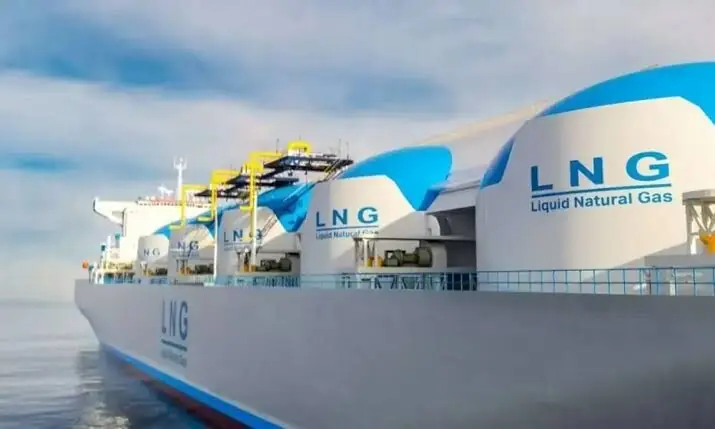
LNG demand in Pakistan, China and India is forecasted to recover after the end of the US-Iran conflict, according to industry representatives. The war has disrupted Middle Eastern supply, causing LNG prices to surge and forcing countries to turn to other fuels. Shell, the world's largest LNG trader, estimates the Middle East has lost around 36 million tons of LNG this year.
Asia's spot prices have risen to nearly $30 per million British thermal units, from $10 per MMBtu pre-war. Pakistan anticipates LNG relief thanks to resumed shipments from Qatar. GAIL Chairman Deepak Gupta remarked that high prices are affecting demand in India, with many industries seeking alternative fuels if gas is not feasible.
PetroChina, China's leading LNG importer, has also sought out alternate shipments to replace Qatari and Emirati supplies. Petronet LNG, India's top gas importer, notes affordability as a major challenge for consumers, despite demand still being present. In neighboring Pakistan, the importer's CEO expects demand to increase with more volume coming online.
ExxonMobil, GAIL and PetroChina executives anticipate consumption to bounce back once prices decrease. LNG prices above $20 per mmBtu are expected to detrimentally impact demand. Both GAIL and Exxon foresee a long-term growth in LNG demand in China, with extensive import infrastructure being developed along its eastern coast. Nigeria's NLNG anticipates starting its Train 7 LNG project by the end of 2027, maintaining an optimistic outlook for the diversification of its LNG portfolio.
Written by urgent.news from Business Recorder's reporting — not their text. Machine-written — may contain errors; check the original before relying on it.