LNG demand in China and India expected to recover when Mideast war ends
BANGKOK: China and India's LNG imports are likely to rebound from multi-year lows once the Middle East supply crunch ends and prices ease, industry executives expect, reversing a pick-up in coal and oil use to generate power due to the US-Iran war.
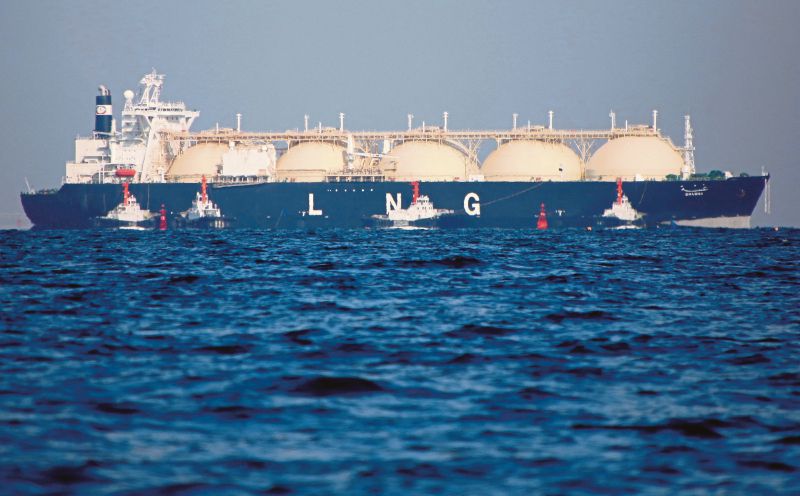
China and India are anticipating a recovery in liquefied natural gas (LNG) imports once the Middle East war ends and prices stabilize, industry executives predict. The conflict has disrupted Qatar and the UAE's ability to export most of their LNG through the Strait of Hormuz, leading to a surge in global prices and reduced demand in Asia.
Shell estimates a loss of 36 million tons of LNG from the region this year. Asia's spot prices have soared to nearly US$30 per million British thermal units, up from the pre-war range of around US$10 per MMBtu. This price hike is significantly affecting demand, particularly in India, where several price-sensitive sectors may switch to alternative fuels if gas becomes too costly, according to GAIL Chairman Deepak Gupta.
Both GAIL and PetroChina, India's top LNG importer, have been actively seeking alternative cargoes to replace supplies from Qatar and the UAE since the war began. Luo Yizhou, CEO of PetroChina International, revealed that his company was prepared to secure supply on the Sunday following the Lunar New Year holiday when the US and Israel launched attacks on Iran.
GAIL's Gupta stated that India initially had to limit gas consumption but has since resumed nearly 90% to 95% of supplies by ramping up its trading capabilities to purchase LNG from other sources. Both executives believe the Middle East conflict will have a temporary impact on demand, with a rebound expected once prices fall and global supply returns to normal.
They anticipate about 150 million to 200 million tons of LNG to come online in the next four to five years, which could help ease prices. In China, LNG demand from gas-fired power plants is expected to rebound once prices return to a normal range of US$7 to US$9 per MMBtu, despite strong electricity consumption growth and temporarily suppressed demand due to high prices.
Written by urgent.news from New Straits Times's reporting — not their text. Machine-written — may contain errors; check the original before relying on it.