KNUST, EPA test national air quality data hub ahead of Ghana rollout
Researchers at the Kwame Nkrumah University of Science and Technology (KNUST) have engaged officials of the Environmental Protection Authority (EPA) to test a new national Air Quality Data Hub aimed at bringing Ghana’s fragmented air quality information onto a single platform. The utility-testing session brought together EPA directors, managers and technical staff to assess the platform’s…
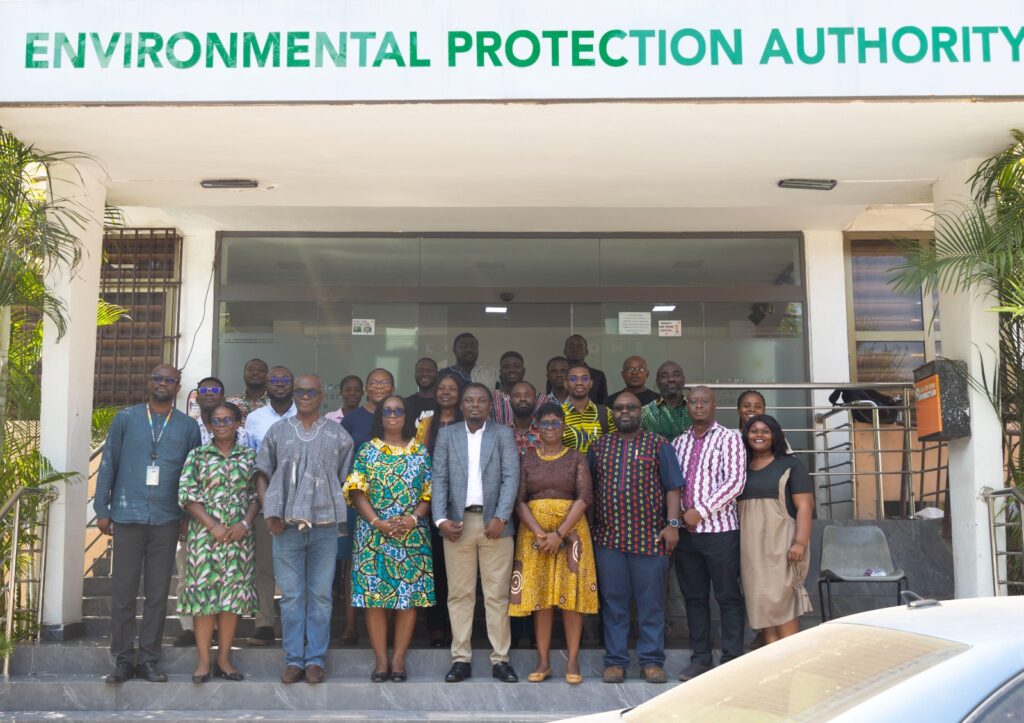
Ghana’s Environmental Protection Authority (EPA) and researchers from the Kwame Nkrumah University of Science and Technology (KNUST) are testing a national Air Quality Data Hub designed to consolidate fragmented air quality information onto a single platform. This initiative, led by the Climate Diagnostics, Air Quality and Artificial Intelligence (CDAI) Lab at KNUST, aims to tackle the challenge of varied data formats, standards, and access arrangements among different institutions and projects responsible for air quality monitoring in Ghana.
During the testing session, EPA directors, managers, and technical staff evaluated the platform’s functionality, usability, and relevance to their operational needs. The platform, developed by the CDAI Lab in collaboration with the EPA and supported by the Clean Air Fund, intends to address the limitations posed by the current lack of centralized data access and integration.
The hub is poised to provide a centralized digital infrastructure for managing air quality data from an expanding network of sensors across Ghana. It is expected to facilitate near-real-time data sharing, support evidence-based policymaking and regulatory decisions, enhance research capabilities, and promote public awareness of air quality issues.
Key components of the platform, such as its data ingestion system, PostgreSQL/PostGIS data storage, data-request functions, and a dashboard offering a map-based view of air quality information, were demonstrated by the KNUST team. The system incorporates security measures like encrypted data transfers, role-based access, and mirrored backups. The interactive testing allowed EPA users to provide direct feedback and identify areas for improvement before full implementation.
Under the proposed implementation plan, the KNUST will serve as the backend and technical lead, while Delectis handles frontend development. The EPA is expected to take ownership of the platform once a sustainability plan is established. Additionally, a physical hub is being set up at the EPA, equipped with office space, fiber connectivity, workstations, display facilities, and cybersecurity measures to support the hub’s operations.
EPA CEO Prof Nana Ama Browne Klutse emphasized that reliable data is crucial for effective air quality management in Ghana. The EPA’s Air Quality Management Regulation 2025 mandates the development and hosting of a national air quality monitoring information system and a dashboard for routine reporting. The regulation also encourages data contributions from various stakeholders, including district assemblies, academia, research institutions, and other relevant entities.
The testing phase is part of a broader roadmap that began with stakeholder engagement in 2025, followed by system development and testing in 2026. The upcoming focus will be on validation, sustainability, and stakeholder engagement before the planned launch, handover, and transition to long-term EPA ownership. The CDAI Lab sees this exercise as transitioning from platform development to ensuring the system meets the practical needs of the institutions that will leverage it for healthier communities and informed environmental decision-making.
Written by urgent.news from MyJoyOnline Ghana's reporting — not their text. Machine-written — may contain errors; check the original before relying on it.
This story
This is one outlet's version. Read the fullest account.