Johor on track for RM100 billion investment target as H1 approvals hit RM59.4 billion across diversified sectors
Johor's investment committee chairman says the state is on track to hit its RM100 billion annual investment target after RM59.4 billion in approved investments in the first half of 2026, with growth driven across manufacturing, services, and logistics rather than data centres alone.
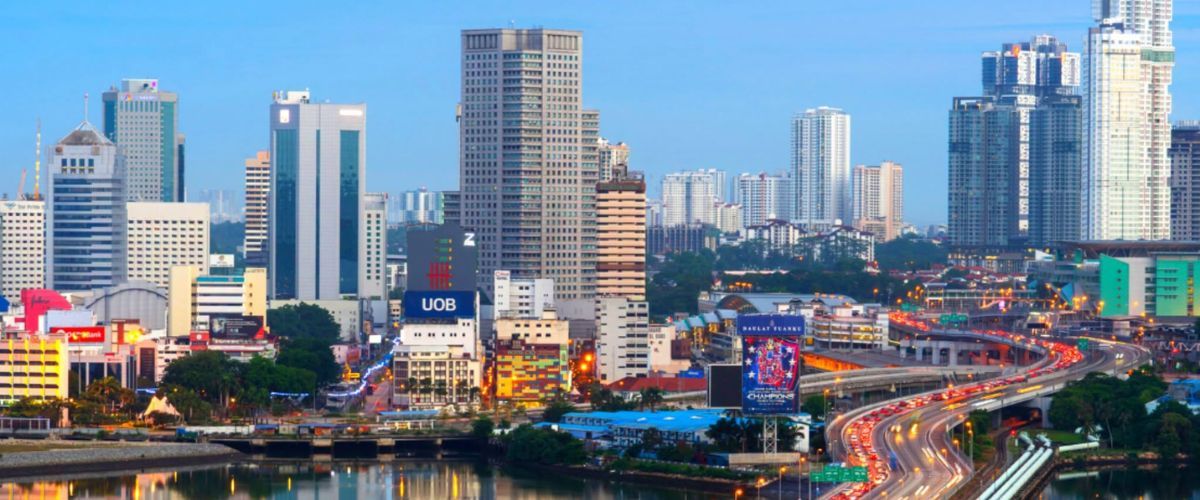
Johor is making significant progress towards its RM100 billion investment target for the year, with RM59.4 billion in approved investments in the first half of 2026, according to Lee Ting Han, chairman of the State Investment, Domestic Trade, Consumer Affairs and Human Resources Committee. This represents a RM3.3 billion increase compared to the same period last year.
The investments were spread across various sectors, with RM11.8 billion coming from manufacturing and RM47.6 billion from services. Lee emphasized that Johor's economic growth is driven by the development of multiple sectors simultaneously, including manufacturing, logistics, the digital economy, construction, tourism, and consumer activities.
Johor has consistently outperformed Malaysia's national economic growth rate, with a 8% growth rate last year compared to the national rate of 5.2%. In 2025, Johor's GDP grew from RM158.3 billion to RM170.9 billion, solidifying its position as the third-largest economy in the country. The state's recent economic achievements were recognized by MIDA, which reported that Johor ranked second in the nation for approved investments, with growth bolstered by the JS-SEZ and the upcoming RTS Link.
Looking ahead, Lee stressed the importance of transitioning from attracting investments to creating comprehensive industry ecosystems. Once major investments are in place, they need to stimulate local supplier development, technology, talent, and services to generate local orders, higher productivity, and high-paying jobs. This shift in focus from headline investment figures to downstream economic impact signifies a more mature approach to the JS-SEZ and the Johor Economic Transformation Plan, which aim to ensure that investment benefits are felt by the local population through job creation, supplier development, and skill enhancement rather than being confined to foreign-owned facilities.
For Singapore, Johor's diversification of investments, with a larger portion from the services sector, indicates the state's growing economic depth beyond traditional manufacturing and data center categories. This services-led growth story aligns more closely with Singapore's economic strengths in finance, logistics, and professional services, potentially fostering greater complementarity and collaboration across the Causeway compared to a purely industrial investment profile.
Written by urgent.news from The Independent Singapore's reporting — not their text. Machine-written — may contain errors; check the original before relying on it.
This story
This is one outlet's version. Read the fullest account.