Japanese delegations flock to China, but thaw hinges on Takaichi mending ties
With bilateral ties in a deep freeze since late last year, a flurry of planned China visits by Japanese lawmakers and business leaders has been interpreted as an attempt to break the ice ahead of November’s Apec summit in China. However, analysts warned that these efforts to carve out a diplomatic opening with Beijing might not achieve much unless Tokyo sends a clearer signal to mend ties from…
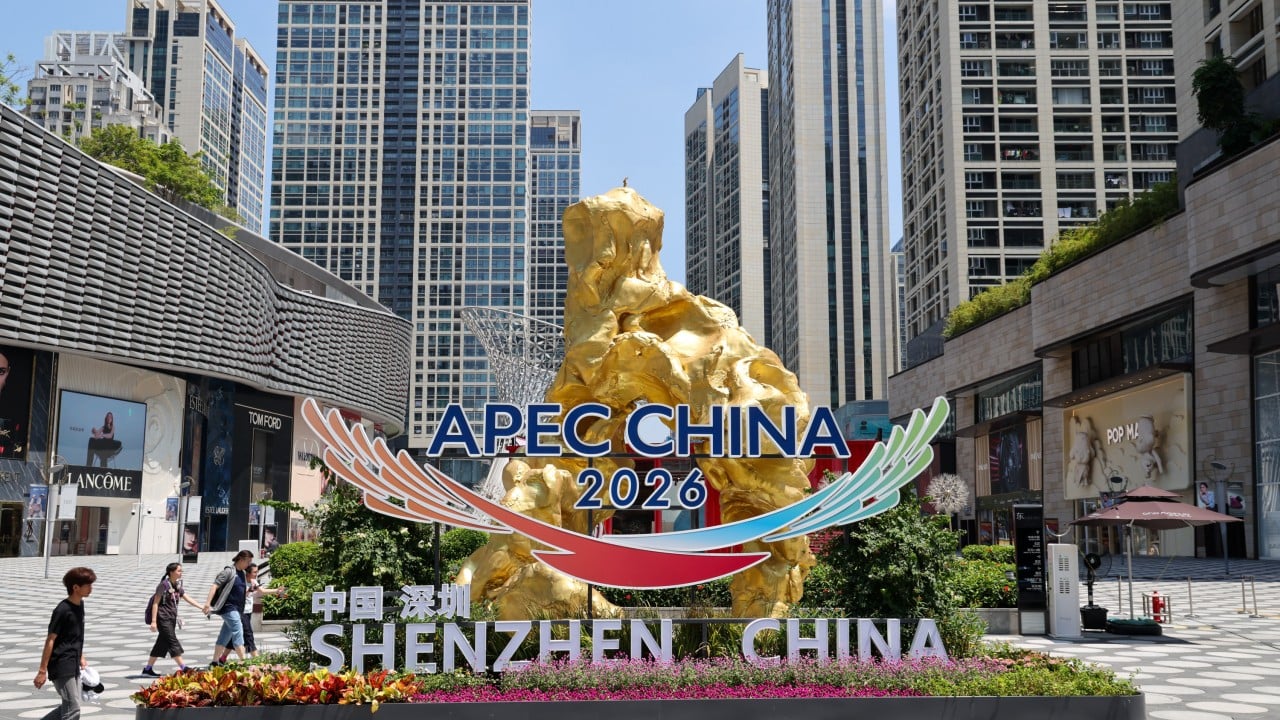
Since late last year, bilateral ties between Japan and China have been in a deep freeze, prompting a series of planned visits by Japanese lawmakers and business leaders to China ahead of the November Apec summit. However, analysts warn that these efforts may not yield much unless Tokyo sends a clear signal to mend ties from the highest level.
Relations hit their lowest point in a decade after Japanese Prime Minister Sanae Takaichi's remarks in November that a Taiwan contingency could be a "survival-threatening situation" that would allow Tokyo to use collective self-defense. An eight-member delegation of junior lawmakers, led by the Liberal Democratic Party's Masahiro Takamura, is visiting Beijing this week, while Keidanren and the Osaka-based Kansai Economic Federation are also planning China trips in the coming months.
Former Japanese foreign minister Takeshi Iwaya will lead a delegation from the Japan Association for the Promotion of International Trade to meet Chinese President Xi Jinping later this month. While these efforts may help lay groundwork and break the ice, it remains uncertain whether they will lead to a meeting between Takaichi and Xi.
Chinese officials view Taiwan as part of China and are unlikely to compromise on the issue. Beijing's willingness to accept greater political contact with Japan is also limited by the strong support for a "one-China principle". The current rift between the two nations is centered on Taiwan, a matter that Beijing will not compromise on.
Written by urgent.news from Reuters Business via SCMP's reporting — not their text. Machine-written — may contain errors; check the original before relying on it.