Japan to sidestep funding in tax cut outline, keep fiscal concerns alive
Tokyo, Sept 15: Japan's government is preparing to finalize a plan for a consumption tax cut and household payouts without specifying the funding method, a move that could reignite concerns about the country's already strained finances. The cabinet's approval of the outline would occur amid heightened global fiscal and inflation concerns, with the yield on the benchmark 10-year Japanese government bonds (JGB) reaching a 30-year high of 3.025 percent on Tuesday.
The tax cut would build on Prime Minister Sanae Takaichi's expansive spending plans, which have triggered bond sell-offs and criticism from U.S. Treasury Secretary Scott Bessent. Takaichi has pledged to cap new government bond issuance at around 40 trillion yen ($259 billion) for the fiscal 2027 budget, a target already facing scrutiny due to projected expenditure increases.
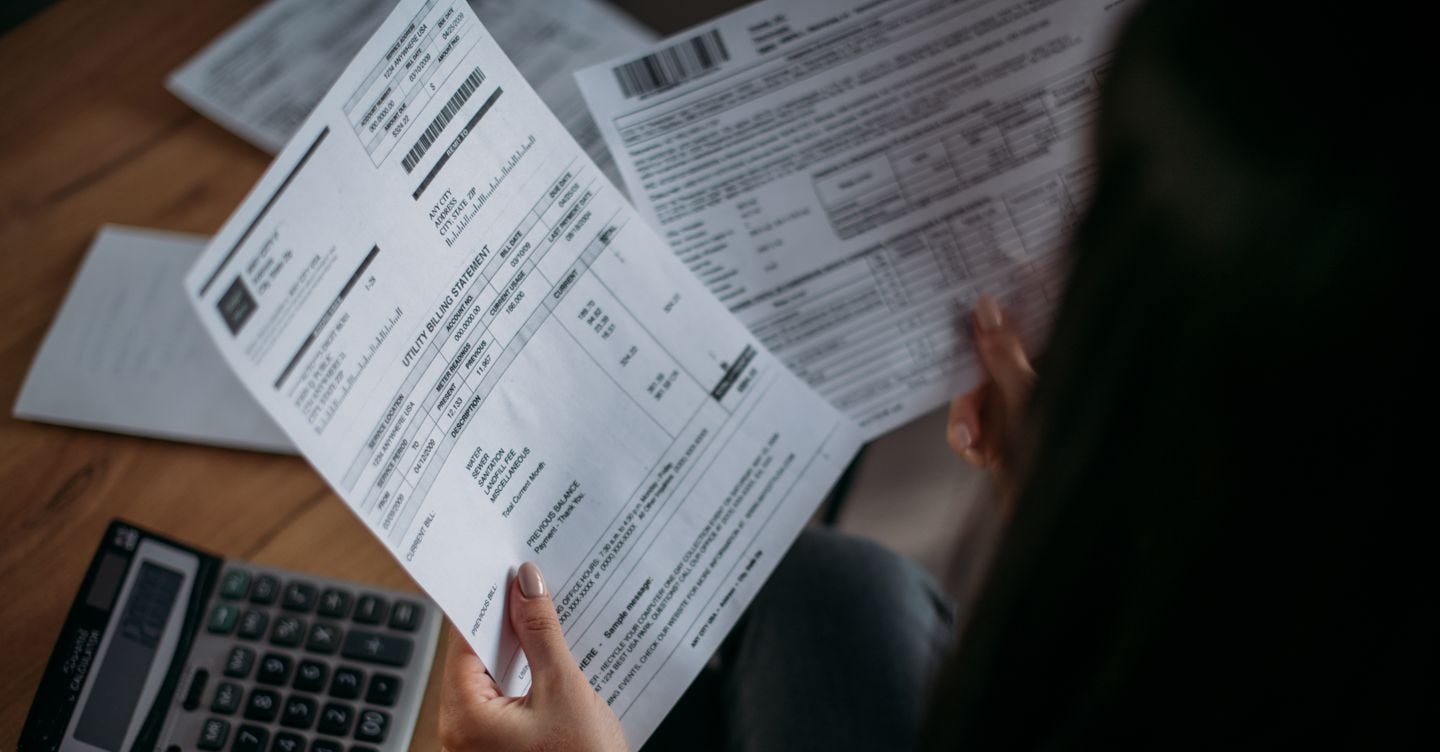
The draft budget, expected at the year's end, leaves uncertainty over how to finance the tax cut, which could result in a revenue shortfall of approximately 5 trillion yen. If enacted, it would mark the first reduction in the tax rate since Japan introduced the consumption tax in 1989. The tax, a primary revenue source for funding social welfare and pension costs amid an aging population, is set to see its 8 percent levy on food slashed to 1 percent for two years, starting April 2027.
Written by urgent.news from CNA - Business's reporting — not their text. Machine-written — may contain errors; check the original before relying on it.