Independent Budget Office Estimates Iran War Has Cost $38 Billion
The Congressional Budget Office said its analysis had been limited by the fact that the Defense Department did not respond to requests for information on the costs of the conflict.
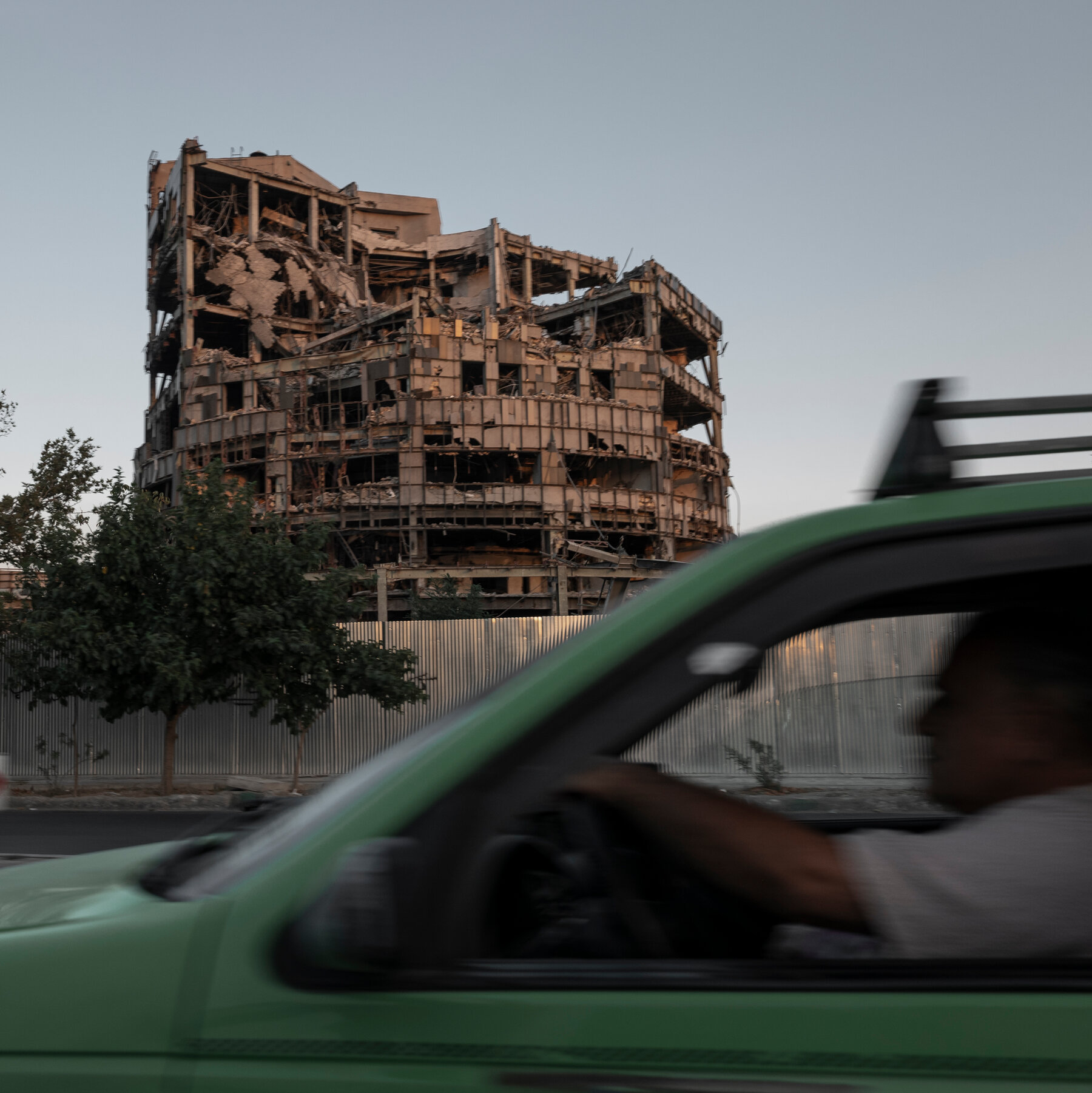
The war in Iran has cost the United States $38 billion so far, with the figure forecast to increase by $3 billion monthly, according to the nonpartisan Congressional Budget Office (CBO), which reported on Tuesday. The conflict is projected to push inflation up by 0.5% in the first quarter of 2027, as the Trump administration explores options to end the war and restore the crucial Strait of Hormuz.
The mounting expenses have strained the US munitions stockpiles and raised energy prices, raising worries about the nation's capability to respond to other possible conflicts and putting additional pressure on an already strained federal budget.
The bulk of the costs are attributed to the swift depletion of munitions, with experts estimating it may take five years to replenish the US stockpiles. In August, Reuters reported that the US had largely exhausted its long-range precision missiles during the war. The Pentagon refused to collaborate with congressional financial auditors, as reported by the CBO.
House Budget Committee Chairman Brendan Boyle of Pennsylvania highlighted the war's human toll and its impact on American taxpayers, stating, "Donald Trump's disastrous war in Iran has already taken the lives of brave American servicemembers and left others wounded, beyond that human toll, this nonpartisan CBO report makes clear that the war has also cost American taxpayers tens of billions of dollars and counting, while continuing to drive up costs."
Eighteen US military personnel have lost their lives in the Iran war. The CBO accounting did not incorporate the expenses of recent strikes on commercial vessels in the Strait of Hormuz or attacks on US military installations in the region. Moreover, the report did not account for the borrowing costs linked to financing the war, which could add tens of billions of dollars to the overall expense.
The CBO analysis revealed that the war could have wide-ranging ramifications for the US defense posture and the domestic economy. The shortage of essential munitions, including missile interceptors, could hinder the Pentagon's response in the event of another major conflict, such as potential confrontations involving China and Taiwan.
In a Senate hearing on July 21, Defense Secretary Pete Hegseth advocated for nearly $90 billion in emergency funding legislation to restock munitions supplies, warning that without these funds, the US would face critical shortfalls. Energy disruptions caused by attacks in the Strait of Hormuz, which once allowed roughly 20% of the world's oil to pass through, and on energy facilities in neighboring Gulf countries, have significantly increased consumer and global producer prices.
The escalating cost of the war also threatens to exacerbate the deteriorating US fiscal health, as the nation's total public debt surpassed $40 trillion in August. Critics often compare the Iran war to the US invasions of Iraq and Afghanistan following the September 11, 2001 attacks, with the eight-year Iraq war costing $2 trillion and the two-decade-long Afghan conflict amounting to $2.3 trillion, according to Brown University's Costs of War project.
Written by urgent.news from Free Malaysia Today's reporting — not their text. Machine-written — may contain errors; check the original before relying on it.
This story
This is one outlet's version. Read the fullest account.
- Iran war has cost the US at least $38 billion, government report says thenationalnews.com
- Iran war cost hits estimated $38 billion, Congressional Budget Office says cbsnews.com
- Iran war cost hits US$38bil, forecast to rise US$3 billion a month freemalaysiatoday.com