How China is preparing for the risk of AI escaping human control
Chinese policymakers see AI as a manageable risk, not an extinction event, through technical standards, regulation and state oversight.
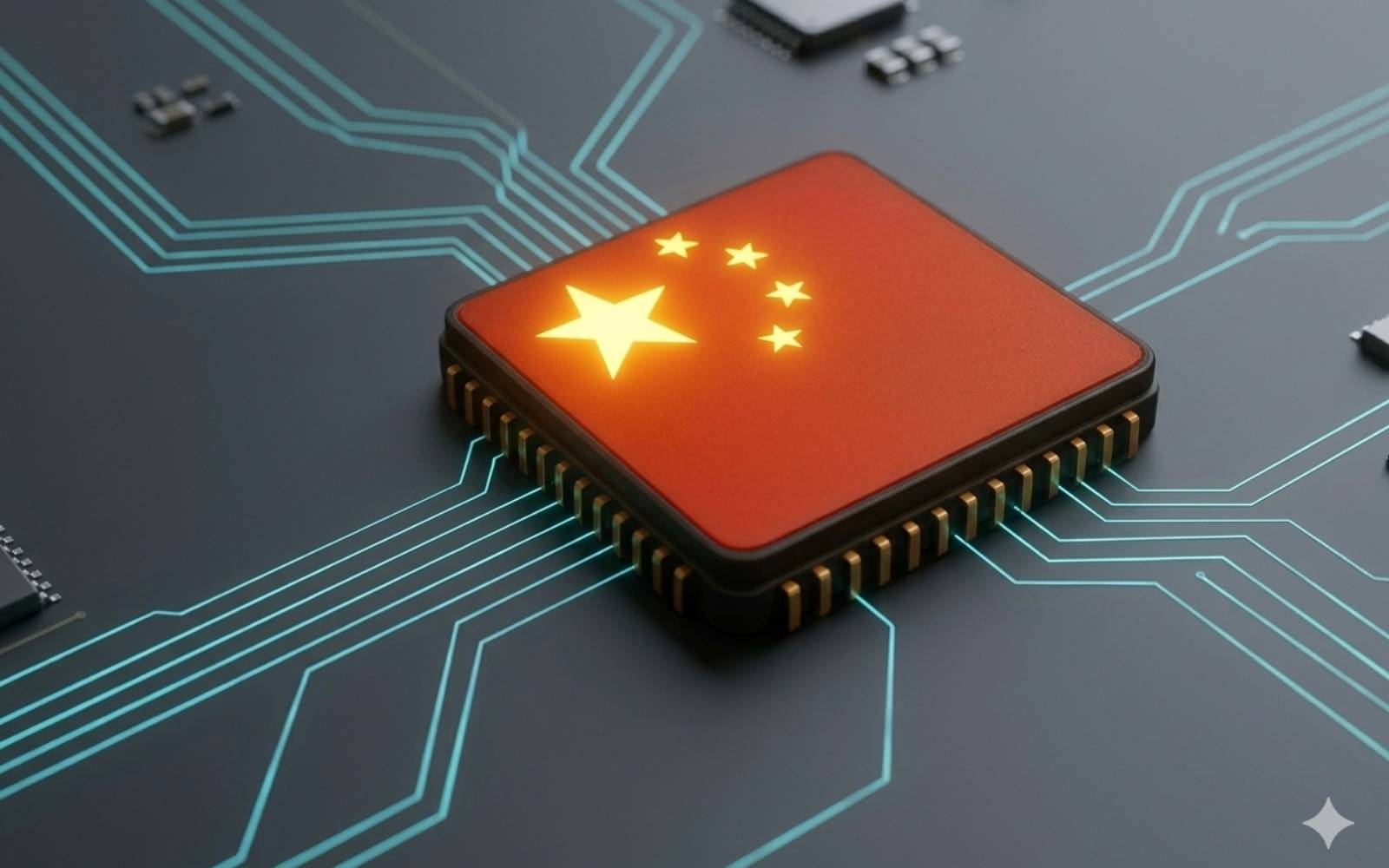
China is proactively preparing for the potential risks of artificial intelligence (AI) systems becoming uncontrollable by human oversight, according to researchers and policymakers. While the United States has been preoccupied with concerns that powerful AI models could pose an existential threat to humanity, Chinese officials have taken a more measured approach, viewing AI as a manageable risk that can be contained through regulation and state oversight.
Unlike their US counterparts Anthropic and OpenAI, which keep their AI models closed to prevent unauthorized modification, Chinese developers have been promoting open-weight models that can be downloaded, inspected, and altered. This approach allows cybersecurity experts to scrutinize and potentially remediate any vulnerabilities or malicious behavior within these AI systems.
In May, China's cyberspace regulator issued guidelines that classified "operational loss of control" as a security risk for AI agents, systems capable of independently planning and executing multi-step tasks. The rules mandate that developers bolster their ability to detect, intervene in, block, and recover from improper agent behavior, while also ensuring users retain final decision-making authority over autonomous agents' actions.
Furthermore, China is currently drafting a mandatory national standard for AI agent safety, which would be the world's first of its kind. This standard aims to prevent rogue AI agents from escaping containment, bypassing safety boundaries, and attacking external systems. Beijing has also emphasized the importance of vigilance when it comes to frontier AI models that could potentially evade sandbox environments and attack real-world production systems.
While Chinese and American experts largely agree on the risks associated with AI, the primary difference lies in how these risks are framed and prioritized. Chinese policymakers have not proposed embedding independent monitors inside AI companies, as advocated by US developers such as Anthropic. Instead, they rely on developer obligations, state-backed standards, security assessments, and outside testing to mitigate potential threats.
China's regulatory approach contrasts with calls from some Western AI-safety circles for developers to slow down or pause the development of the most capable models until stronger safeguards are in place. Instead, Beijing has focused on integrating AI into all industries as part of its strategy to make technology the engine of its economy. However, China has also shown the ability to delay AI deployments when officials believe that governance has not kept pace with technological advancements.
Written by urgent.news from Free Malaysia Today's reporting — not their text. Machine-written — may contain errors; check the original before relying on it.