Hezbollah’s surrender of Ali Al Taher has cost it legitimacy in Lebanon
On September 4, Israel announced that it had gained effective control of Ali Al Taher ridge, which overlooks the southern Lebanese town of Nabatiyeh. This came as a surprise, since many observers had expected a major battle for control of the heights, which housed an extensive tunnel network and allegedly an operational command centre for Hezbollah. According to officials cited by Reuters, Iran…
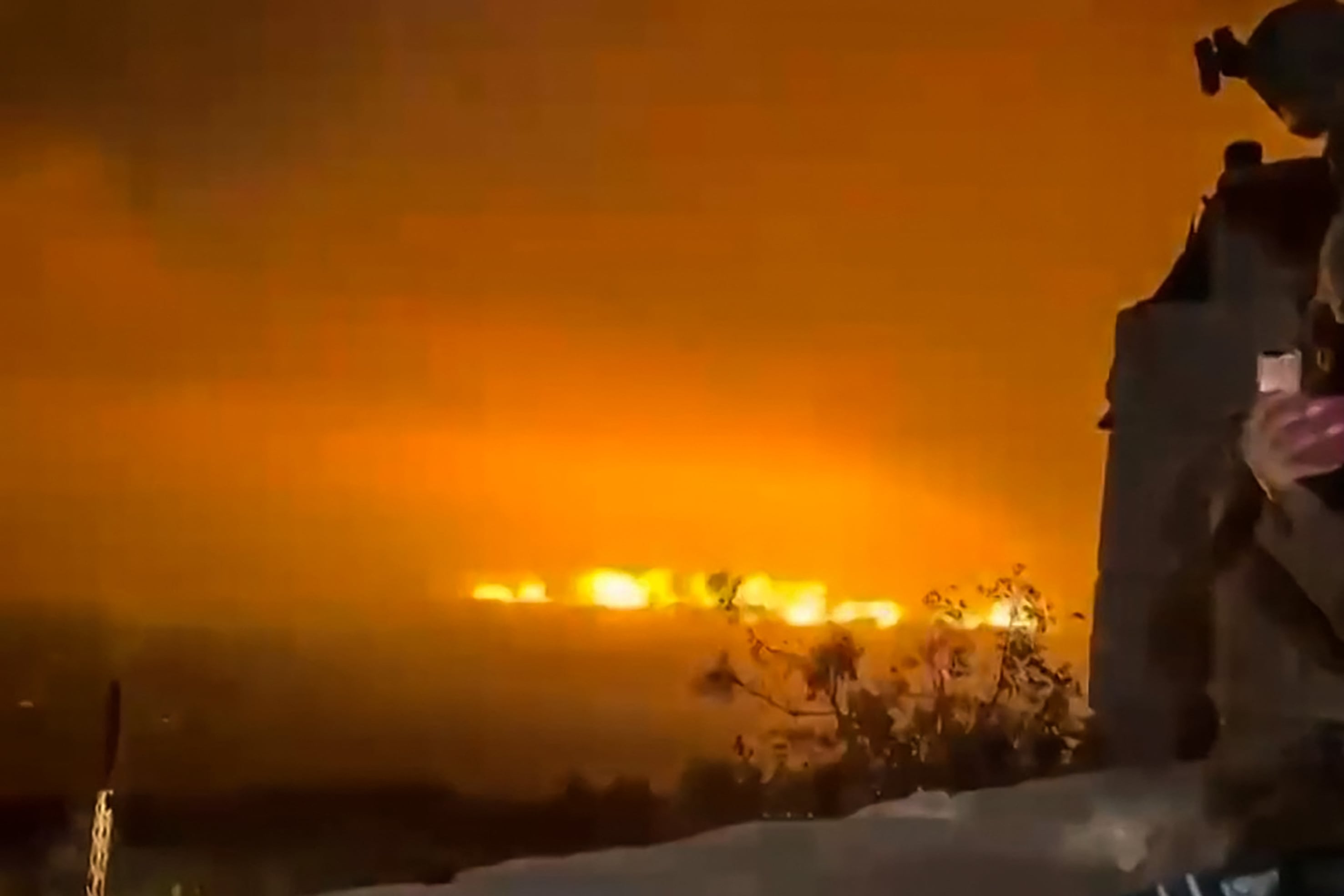
On September 4, Israel declared it had secured control of the Ali Al Taher ridge, overlooking the southern Lebanese town of Nabatiyeh, despite initial expectations of a fierce battle for the heights. This move came as a surprise, as many observers assumed a significant confrontation was inevitable, given the presence of an extensive tunnel network and a Hezbollah-operated command center.
Iran had warned the United States that a military response would follow any Israeli attempt to seize control of Ali Al Taher. The sudden nature of the Israeli announcement, coupled with Hezbollah's lack of denial, sparked speculation about a possible deal permitting the Israelis to take over the facility. The Lebanese government had requested Hezbollah surrender the facility to the Lebanese army instead of allowing Israel's occupation.
However, Hezbollah refused, leading to criticism that it had given a "genuine victory" to Israeli Prime Minister Benjamin Netanyahu while sacrificing its own land. This decision, according to some, would have set a precedent by legitimizing similar handovers in other parts of Lebanon not occupied by Israel. The reasoning behind Hezbollah's stance has been criticized as untenable, as it is directly controlled by Iran and aims to challenge the Lebanese government's authority on matters of war and peace.
Iranian concerns revolve around losing military leverage over Israel, which they fear would result from such a situation. Nonetheless, this reasoning has isolated Hezbollah within Lebanon, with many Shiite community members sympathizing with the group but viewing any attacks as attacks on the community as a whole. The destruction of Shiite villages and Israeli control over the border area has left Hezbollah with limited options, and the group's survival now hinges on whether the Shiite community can continue to support it amidst the devastating Israeli response.
The international community, particularly countries like Saudi Arabia, Turkey, Syria, and Egypt, see an Iranian proxy force as detrimental to their interests, further complicating Hezbollah's prospects for success.
Written by urgent.news from The National UAE's reporting — not their text. Machine-written — may contain errors; check the original before relying on it.
Also reported by 1 other outlet
- Hezbollah’s surrender of Ali Al Taher has cost it legitimacy in Lebanon thenationalnews.com