GHS records more than 53,000 adolescent pregnancies in seven months
Ghana recorded 53,415 adolescent pregnancies between January and July 2026, with 1,501 involving girls aged 10 to 14 years, data from the Ghana Health Service (GHS) has shown.
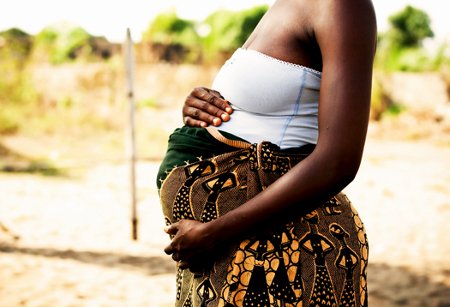
Ghana recorded over 53,000 adolescent pregnancies between January and July 2026, according to data from the Ghana Health Service (GHS). Among these, 1,501 pregnancies involved girls aged 10 to 14 years. Ms Sharifa Mohammed, Program Manager for Adolescent Health and Development at GHS, revealed these statistics at a national dialogue in Accra.
She highlighted that the figure, based on records from health facilities across the country, averaged about 7,000 adolescent pregnancies per month among girls aged 15 to 19 years. This data is nearing the annual national total of over 100,000 adolescent pregnancies, as reported in the 2022 Ghana Demographic and Health Survey. Ms Mohammed emphasized that these statistics represented individual girls whose education, health, and futures could be adversely affected by pregnancy, particularly when appropriate support was not available.
She noted that adolescent pregnancies were more prevalent among girls out of school compared to those who remained in school, suggesting that keeping girls in school could help reduce teenage pregnancies. The Savannah Region recorded the highest rate of births per 1,000 adolescent girls at 117.5, surpassing the Sub-Saharan African average of 104 per 1,000.
In Bole District, 230 births per 1,000 were recorded among girls aged 18 to 19, with the Upper East Region reporting over 2,400 adolescent pregnancies in the first five months of the year alone. The GHS has been implementing a "Safety Net" intervention since 2017 to address the health and social needs of adolescent girls, providing comprehensive maternal and child health services, sexual and reproductive health education, psychosocial support, and referrals to social protection services.
Under this program, pregnant adolescents are supported to return to school, and those unable to do so are linked to vocational and livelihood skills training through collaborations with the Ghana Education Service and civil society organizations.
Written by urgent.news from MyJoyOnline Ghana's reporting — not their text. Machine-written — may contain errors; check the original before relying on it.