From Jharkhand and Bihar to India’s chip lines: why semiconductor jobs are open to everyone
ISM CEO Amitesh Kumar Sinha on why semiconductor jobs in India are open to every student and stream, from Sanand’s shop floor to chip design.
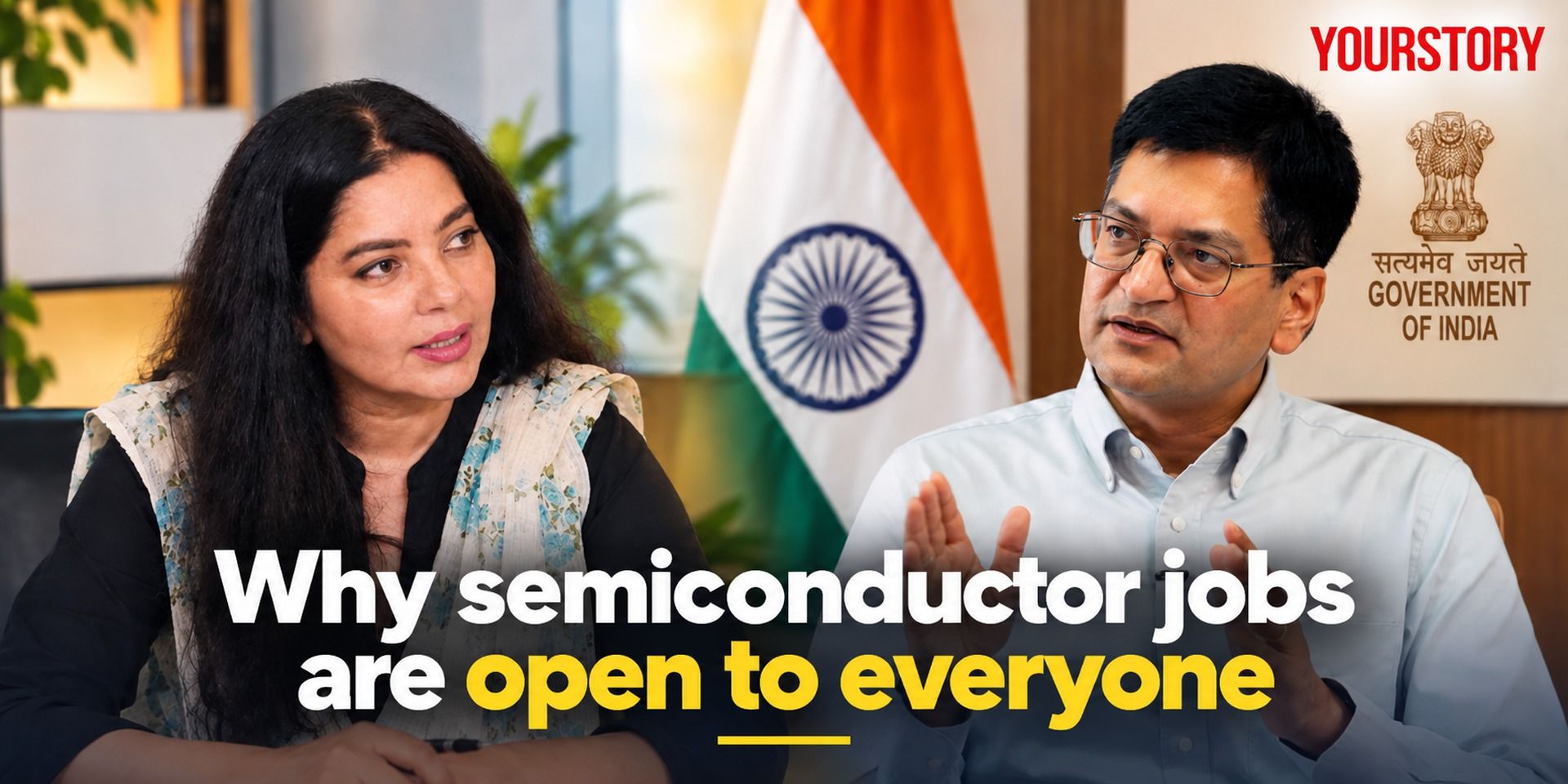
Semiconductor jobs in India are opening up for students from diverse backgrounds and educational levels, according to Amitesh Kumar Sinha, Additional Secretary at MeitY and CEO of the India Semiconductor Mission. Sinha highlighted a success story from CG Power's chip packaging plant in Sanand, Gujarat, where workers came from Jharkhand, Madhya Pradesh, Bihar, Odisha, and the Northeast with ordinary schooling but now excel in semiconductor roles thanks to training provided in Malaysia.
The point, Sinha emphasized, is that semiconductor jobs in India are for every kind of student, not just those who excel in entrance exams.
The Semicon 2.0 mission, announced on August 31, 2026, with a budget of Rs 1,27,500 crore, includes dedicated talent and R&D pillars to complement the first phase's fab and packaging incentives. Twelve manufacturing units have been approved so far, including Micron, Kaynes, and CG Semi in Sanand, which are already in commercial production.
Sinha clarified that the industry is not limited to electronics or an elite club, as every stream has a way in, such as operators, engineers, R&D specialists, chemical and materials engineers, civil engineers, and mechanical engineers.
The talent pillar of Semicon 2.0 aims to build training programs that enable graduates from various disciplines to transition into semiconductor roles. The industry expects a multiplier effect of around 5.7, meaning a plant creates several times more jobs than the number employed on-site. Women make up more than half of India's electronics manufacturing workforce, with 70% in certain locations and the entire floor in some factories, and Sinha anticipates semiconductor plants will follow this trend.
Semicon India 2026 will feature a dedicated session on women in the industry, with speakers from Renesas, Applied Materials, Teradyne, and Micron.
For those interested in design, the route no longer requires attending a handful of prestigious institutions. The Chips to Startup program offers colleges free access to electronic design automation tools, which small teams cannot otherwise afford. More than 300 academic institutions in India have access to these tools, and Sinha stated that the spread covers every state, including small colleges.
Students who complete a full design cycle leave college as confident engineers and can start their own startups with seed grants, EDA tools, and the Design Linked Incentive scheme, which matches venture capital raised after the seed stage. Additionally, experienced engineers returning from Silicon Valley and abroad are joining Indian companies like Tata, CG Power, and Micron to build R&D teams in India.
Written by urgent.news from YourStory's reporting — not their text. Machine-written — may contain errors; check the original before relying on it.
This story
This is one outlet's version. Read the fullest account.