Europe launches two climate observation satellites
The European Space Agency has put two satellites into orbit to take a closer look at the impact of climate change. One of them will focus particularly on plant life.
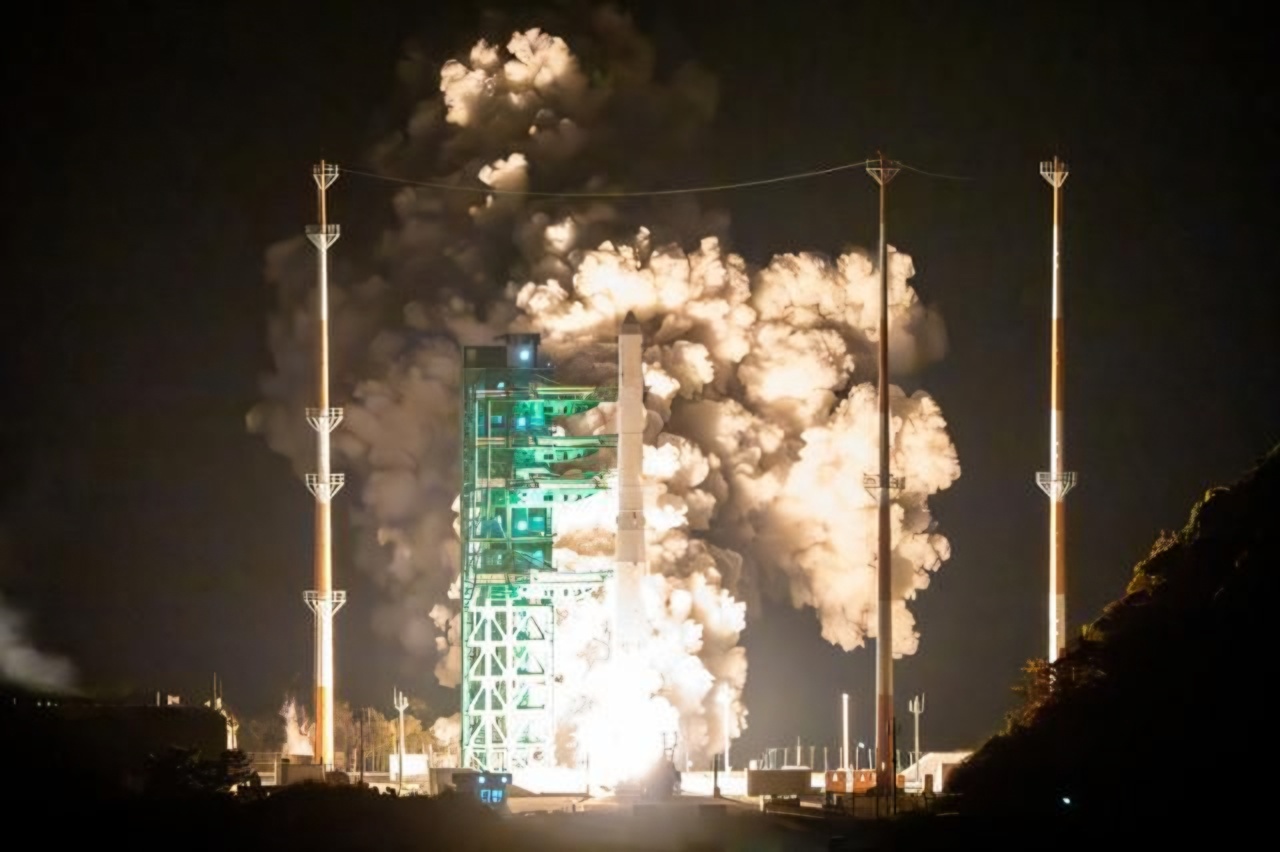
The European Space Agency (ESA) successfully launched two satellites into orbit on Monday evening, marking a significant step in monitoring climate change-related extreme weather events. The Vega-C rocket carried the Sentinel-3C and Flex satellites from the Kourou space center in French Guiana, with the two spacecraft entering a sun-synchronous orbit within two hours of liftoff.
The Flex (Fluorescence Explorer) satellite is designed to gather data on the impact of heat waves on plant matter by monitoring the faint fluorescence emitted by plants during photosynthesis. This fluorescence indicates how efficiently vegetation converts sunlight and carbon dioxide into energy, providing crucial insights into plant health, ecosystem productivity, and the effects of environmental stress and climate change.
With a mission costing €350 million ($403.5 million) and planned to last three years, the Flex satellite will orbit the Earth 14 times a day, revisiting specific locations every 27 days. The Sentinel-3C satellite, on the other hand, will collect data on the marine environment, including temperature, wave height, and ocean currents. Additionally, it will monitor land use and land cover to optimize yields and prevent food crises.
Simonetta Cheli, director of Earth Observation Programmes at the ESA, emphasized the importance of these missions in addressing the climate change crisis. As heat waves and other extreme weather events become increasingly frequent and severe, real-time monitoring and data collection have never been more essential.
Written by urgent.news from DW News's reporting — not their text. Machine-written — may contain errors; check the original before relying on it.