2026 September equinox: All you need to know
The September equinox is here! Autumn for the Northern Hemisphere. Spring for the Southern Hemisphere. Here's all you need to know. The post 2026 September equinox: All you need to know first appeared on EarthSky .
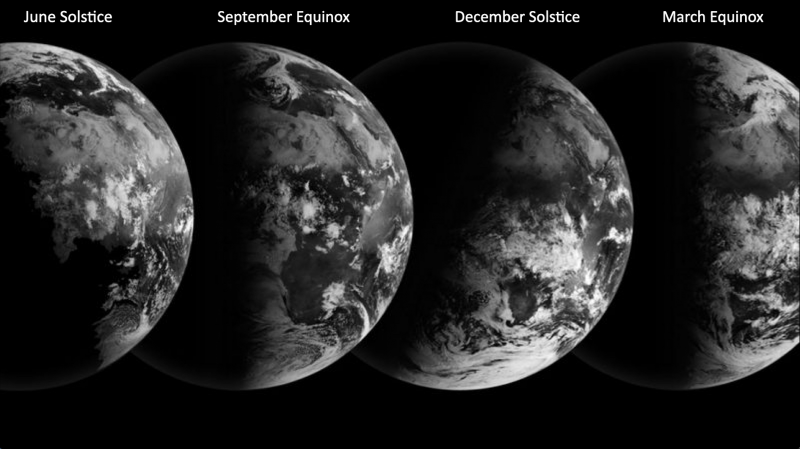
The September equinox marks a significant moment in Earth's yearly orbit around the sun. On this day, the sun appears directly above Earth's equator, shifting the path of daylight and darkness between the Northern and Southern Hemispheres. For those in the Southern Hemisphere, this equinox signals the start of spring, while those in the Northern Hemisphere welcome fall.
The 2026 September equinox is expected to occur at 00:05 UTC on September 23, 2026, which translates to 19:05 p.m. CDT on September 22, and 12:05 p.m. New Zealand Standard Time on September 23.
The term "equinox" originates from the Latin words "aequus" (equal) and "nox" (night), signifying equal nights. During an equinox, the daylight and nighttime durations are almost the same for everyone on Earth, although not precisely equal. The word "equinox" is derived from this concept of equal nights.
Earth's axial tilt of 23 1/2 degrees is responsible for the varying daylight and darkness experienced throughout the year. This tilt causes the Northern and Southern Hemispheres to alternate in receiving the sun's light and warmth most directly. Consequently, the solstices and equinoxes occur due to Earth's axial tilt and its movement around the sun.
During the equinoxes, Earth's Northern and Southern Hemispheres receive nearly equal amounts of sunlight, despite the fact that days and nights are not precisely equal. Two factors contribute to this discrepancy: Earth's continued orbit around the sun and the sun's position in relation to the celestial equator. The celestial equator intersects due east and west from every location on Earth, except the North and South Poles.
Consequently, the sun rises and sets due east and west during an equinox, making it an ideal time to find these cardinal directions using familiar landmarks.
Written by urgent.news from EarthSky's reporting — not their text. Machine-written — may contain errors; check the original before relying on it.