Dyr strøm gir økt inkassogjeld for bedriftene
Én stor strømregning kan være nok til å skape problemer, mener Kredinor.
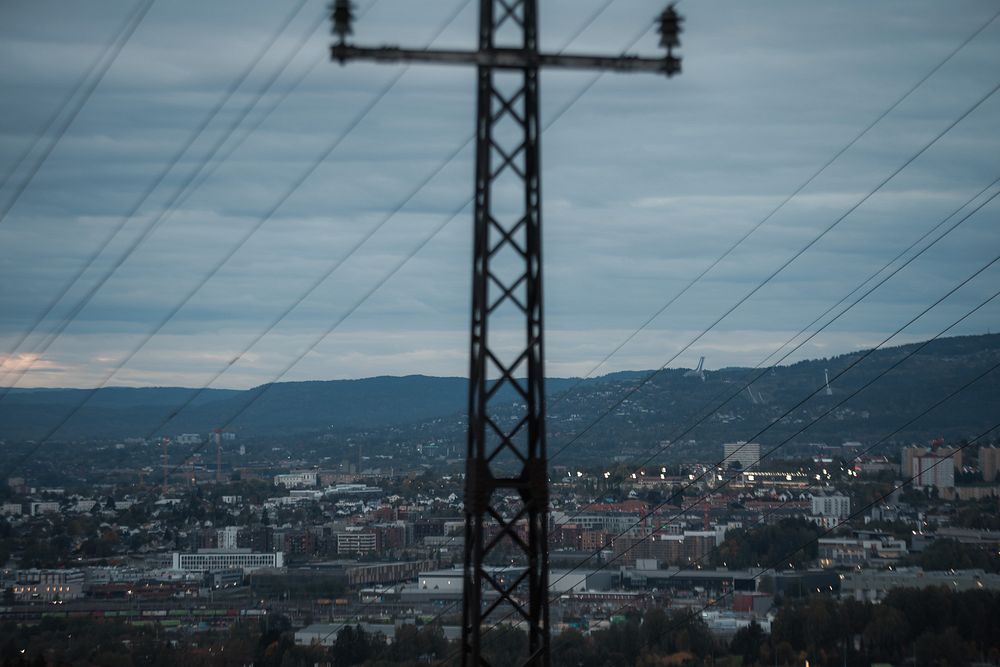
The recent rise in electricity bills has significantly improved accounts receivable for businesses, according to a report from debt collection company Kredinor. In 2026, the number of business-related accounts receivable has increased by 19%, compared to the previous year, and the total amount owed has more than doubled, a 105% rise.
The report notes that high and unstable electricity prices disproportionately affect energy-intensive businesses with slim margins. These companies could face acute liquidity problems if faced with a single large electricity bill. The growth rate of accounts receivable due to electricity bills is even higher than for general claims against businesses, which have only increased by 10% and the total amount owed by 29%.
While electricity prices have been higher in recent years than before, they have risen again this year. Although gas prices are not as high as they were during the 2022 energy crisis, they have increased once again in 2023 due to the war in the Middle East, limited gas supplies in Europe, and water shortages in Norwegian reservoirs.
This suggests that electricity prices could become relatively expensive over the fall and winter. Kredinor's chief analyst, Alexander Tinholt, believes the situation for businesses is "more pressing" than for private individuals, with indicators pointing towards stabilization rather than a clear recession. He points to both the rising accounts receivable and decreasing bankruptcy filings as evidence.
In 2026, there has been a slight decrease in bankruptcies, with 4,247 bankruptcies and forced closures between January and August, a 2% decline compared to 2025. Tinholt notes that while bankruptcies have shown signs of stabilization throughout 2026, the bankruptcies that do occur often involve larger companies and greater values than in the past.
The construction and engineering sector, along with real estate and parts of retail, continue to lead in the number of bankruptcies, which is not uncommon. As E24 has noted, the sector has experienced a number of bankruptcies in recent years, with many companies citing reduced activity in the construction sector after the downturn caused by the pandemic.
For private individuals, the economy remains "relatively robust," according to Tinholt, with fewer new accounts receivable being filed compared to previous years.
Written by urgent.news from E24 Norway's reporting — not their text. Machine-written — may contain errors; check the original before relying on it.