CubeSat instrument extends solar storm warnings 10x
The sun is the reason life exists on our small, blue planet. It provides solar radiation that warms the planet and ignites intricate biochemical processes like photosynthesis, producing oxygen for life to breathe. However, while the sun is known for giving life, it can also take it away with solar flares, geomagnetic storms and solar radiation storms, collectively referred to as space weather.

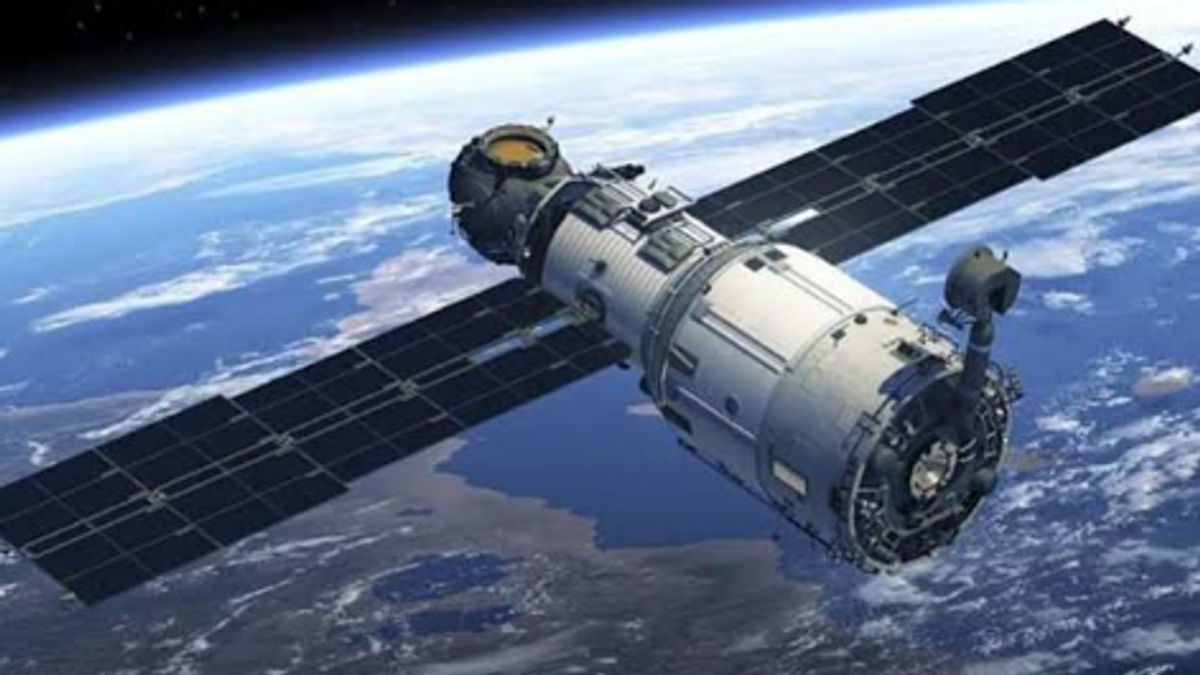
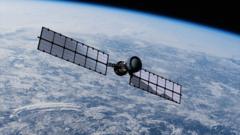
Space weather, encompassing solar flares, geomagnetic storms, and solar radiation storms, poses a significant threat to Earth's infrastructure, satellites, and human safety. Improving space weather forecasting is crucial for industries to better prepare and protect their assets. Researchers from Imperial College London have unveiled the HENON CubeSat, designed to enhance space weather forecasting, particularly in terms of advance warning time and severity identification.
Currently, space weather satellites are positioned at the Sun-Earth L1 Lagrange point, about 1.5 million kilometers from Earth. HENON, however, will be orbiting 15 million kilometers away, 10 times farther, potentially extending the advance warning time from 15 hours to up to 3 hours. Dr. Jonathan Eastwood, lead author of the study, anticipates this advancement to be a significant step in space weather forecasting.
The HENON mission aims to provide a continuous advance warning of up to three hours, as its successor ESA SHIELD mission plans to be positioned at the same distance. The Carrington Event of 1859, a powerful space weather event, serves as a stark reminder of the potential impact of such storms. While no event since then has matched its intensity, the increasing frequency of moderate events, like the 2024 "Jennifer Gannon" superstorm (G5 storm) and the 2026 S4 solar radiation storm, underscores the need for improved forecasting.
The National Oceanic and Atmospheric Administration's Space Weather Scales categorize space weather events from minor to extreme, with ratings from G1 to R5. The successful deployment of HENON and its role in refining ESA SHIELD's capabilities will undoubtedly pave the way for more accurate and timely space weather predictions in the years and decades to come.
Written by urgent.news from Universe Today's reporting — not their text. Machine-written — may contain errors; check the original before relying on it.
This story
This is one outlet's version. Read the fullest account.
- CubeSat Instrument Extends Solar Storm Warnings 10x universetoday.com