Consumer protection body imposes Rs 10 lakh penalty on Rapido for use of dark patterns
The consumer watchdog found that Rapido used two practices classified as dark patterns - “confirm shaming” and “interface interference” - and directed the company to discontinue misleading prompts and practices that steer consumers towards higher payments, the CCPA said in a statement on Tuesday.
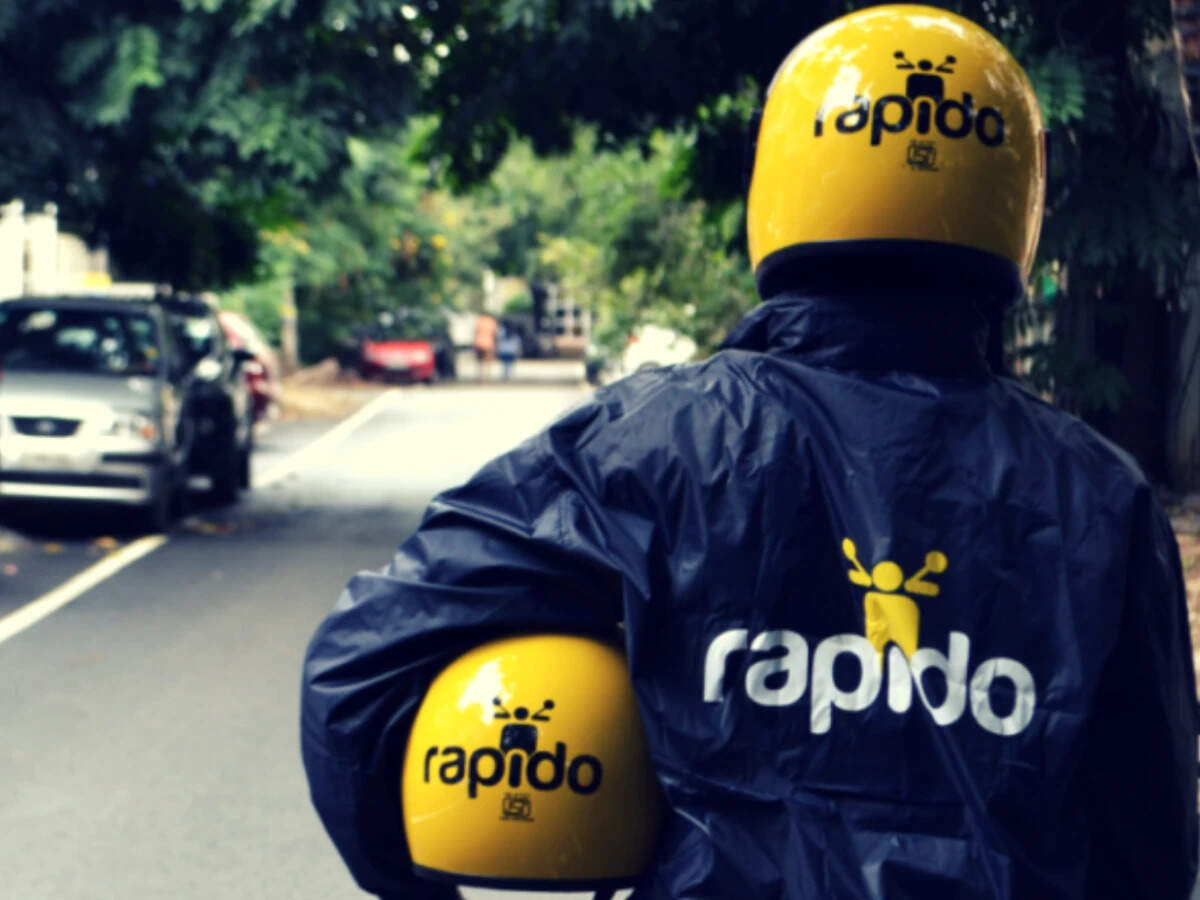
The Central Consumer Protection Authority (CCPA) has levied a Rs 10 lakh penalty on ride-hailing platform Rapido for utilizing deceptive prompts and design elements to encourage customers to pay more while booking rides. The watchdog identified two practices classified as dark patterns - "confirm shaming" and "interface interference" - and instructed the company to cease misleading prompts and tactics that coerce consumers into higher payments, according to a statement released on Tuesday.
The regulatory action followed a broader inspection by the CCPA on advance-tipping and dynamic-pricing practices employed by cab and bike-taxi aggregators. Rapido did not respond to inquiries until after the deadline for this report.
As per the CCPA, Rapido would initially provide a fare quote to customers but, following booking at that price, display prompts suggesting that paying more could enhance the likelihood of securing a ride. One such message informed users that a higher fare increased the chance of receiving a ride, while another prompted them to add Rs10, Rs 20, or Rs 30 when drivers were unwilling to accept the initial fare.
This behavior falls under the "confirm shaming" category under the Prevention and Regulation of Dark Patterns Guidelines, 2023, stated the regulator.
The CCPA also challenged Rapido's "Set your price" slider, arguing that the design subtly encouraged customers to pay more and was another form of "interface interference" under the guidelines. The watchdog cited the Motor Vehicle Aggregator Guidelines, 2025, which stipulate that a tipping feature should only be accessible after a ride has been completed, rather than during booking or the journey.
Despite Rapido's argument to the authority that the additional payment was voluntary and that its matching algorithm continued to seek a driver irrespective of the customer's willingness to pay more, the CCPA contended that the company failed to submit data proving that paying an additional amount actually improved a customer's chances of securing a ride.
Written by urgent.news from Economic Times Tech's reporting — not their text. Machine-written — may contain errors; check the original before relying on it.